
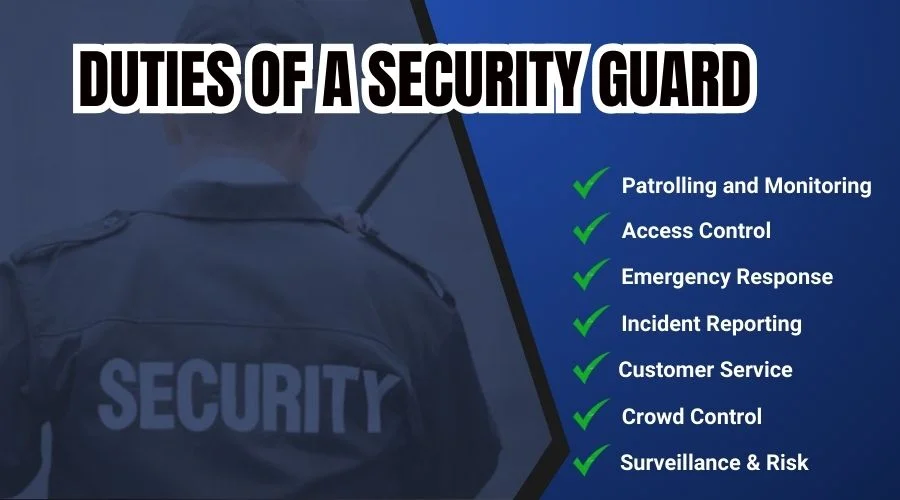
Introduction to Security Guard Roles
Security guards play a pivotal role in maintaining the safety and security of various environments, including residential areas, commercial properties, and public institutions. Their presence serves as a deterrent against criminal activities while providing a sense of security to individuals within these spaces. This initial line of defense is crucial in today’s society, where incidents of theft, vandalism, and other unlawful behaviors are prevalent.
In essence, security guards are tasked with monitoring their surroundings, observing suspicious behavior, and responding to incidents promptly. They are equipped with essential skills and knowledge that enable them to manage various situations effectively, from dealing with potential threats to providing assistance in emergencies. Additionally, security personnel often engage with the public, enhancing community relations and fostering a secure environment.
Various sectors benefit from the presence of security guards, including retail, healthcare, education, and event management. Each setting demands specific expertise and training; for instance, a security professional in a retail environment primarily focuses on preventing theft and assisting customers, while those in healthcare settings might be more involved in ensuring patient safety and managing access to restricted areas.
Moreover, the responsibilities of security guards can extend beyond mere surveillance. They may perform routine inspections, facilitate access control, and respond to alarms or emergency situations. This multifaceted role not only involves protecting property but also ensuring the well-being of individuals within those spaces.
Overall, understanding the roles and responsibilities of security guards is vital for recognizing their importance in safeguarding communities. Their professional presence reinforces the commitment to safety and provides reassurance to those they serve.
Common Duties of Security Guards
Security guards are fundamental to maintaining safety and security in various environments, from corporate offices to residential complexes. Their primary responsibility is to monitor the premises they are assigned to, ensuring that individuals and property are safe from potential threats. Regular observation helps in detecting any unusual activities, allowing security personnel to respond swiftly to incidents.
One of the essential duties of a security guard is conducting regular patrols of the assigned area. These patrols can be either scheduled or random, depending on specific protocols or identified risks. By consistently walking the premises, security guards not only familiarize themselves with the environment but also deter potential criminal activities simply through their visible presence. This proactive approach is crucial in preventing theft, vandalism, or any other unauthorized actions.
Additionally, security guards are responsible for maintaining order within their assigned locations. This may involve checking identification, monitoring entry and exit points, and enforcing rules or regulations set by the facility management. By ensuring that only authorized individuals enter a property, security guards play a significant role in bolstering safety and security measures. They also engage with individuals on the property to provide assistance or guidance when needed, contributing to a secure and welcoming atmosphere.
Moreover, security personnel are trained to recognize the signals of potentially dangerous situations. By being vigilant and aware of their surroundings, they can intervene before incidents escalate into serious confrontations. In this regard, security guards serve as a deterrent not just because of their presence, but also due to their ability to respond quickly and effectively to emergencies. Overall, the diverse duties of security guards are integral to creating safe environments in both large and small settings.
Specialized Security Functions
Security guards are often required to perform specialized duties that go beyond standard monitoring and patrolling tasks. These specialized functions can vary significantly depending on the environment in which they operate, including retail establishments, corporate offices, event venues, and residential areas. One of the primary responsibilities of a security guard is handling alarm systems. Guards are trained to respond promptly to alarm signals, assess situations, and implement predetermined protocols to address potential breaches of security.
In addition to alarm response, security guards are equipped to manage emergency situations efficiently. This includes coordinating communications with law enforcement and emergency services, providing first aid when necessary, and executing evacuation plans in case of fire or other emergencies. Their training in emergency response ensures that they are prepared to protect life and property under pressure.
Crowd control is yet another specialized duty typically associated with security personnel, particularly in large gatherings, such as concerts, festivals, or sporting events. A competent security guard is skilled in maintaining order, ensuring compliance with venue regulations, and addressing any issues that may lead to disturbances or safety concerns among attendees. Furthermore, managing access control points is crucial in environments requiring stricter security measures. Guards facilitate the entry and exit of individuals, verifying credentials and ensuring that only authorized persons gain access to restricted areas.
The variety of specialized duties performed by security guards underscores the versatility required within the field. Different environments necessitate tailored approaches to security, guiding how guards adapt their skills to meet specific security needs. As security threats evolve, ongoing training remains essential for security guards to stay updated on best practices in specialized areas.
Communication Skills and Customer Service
Effective communication is a cornerstone of a security guard’s role, serving multiple purposes that extend beyond mere instruction. Security personnel often find themselves as the first point of contact in various situations, making their communication skills crucial for both preventing incidents and resolving conflicts. A security guard’s ability to effectively communicate with the public can significantly influence the overall atmosphere of an environment, whether it be a commercial establishment, event venue, or residential community.
First and foremost, possessing strong verbal communication skills allows security personnel to convey important information clearly and directly. This includes providing directions, sharing emergency protocols, or offering assistance in resolving disputes among individuals. The ability to listen actively is equally important; by understanding the concerns and inquiries of the public, security guards can respond appropriately and ensure that individuals feel heard and valued.
Moreover, customer service plays a pivotal role in the duties of a security guard. Many security guards are tasked with maintaining not only safety but also a welcoming environment. By engaging with individuals in a courteous, respectful manner, security personnel can foster trust and rapport, which is vital for effective crowd management and conflict de-escalation. A positive interaction can turn a potentially volatile situation into a constructive dialogue, minimizing disruptions.
Furthermore, well-developed communication skills can enhance a security guard’s effectiveness in teamwork settings. Standard operational practices often require coordination with fellow security staff, emergency services, and managers. Therefore, clarity in communication is essential for ensuring everyone remains aware of their roles and responsibilities during incidents.
In conclusion, the integration of strong communication skills and a customer-focused approach is essential for security guards. These attributes not only enhance public safety but also improve the quality of service provided in any environment, thereby contributing to a cohesive and secure atmosphere.
Legal Responsibilities and Authority
Security guards play an essential role in maintaining safety and upholding the law within various environments, such as corporate offices, retail spaces, and residential areas. It is crucial to understand the legal responsibilities and authority that security personnel have, as they must operate within the bounds of the law while ensuring the security of people and property.
One of the primary legal responsibilities of a security guard is to protect individuals and assets from theft, vandalism, and other criminal acts. This responsibility is supported by laws and regulations that outline the scope of their duties. In many jurisdictions, security guards are empowered to ask individuals to leave a property if they are deemed trespassers. However, this authority comes with an obligation to respect the rights of individuals, ensuring any actions are lawful and justified.
Security guards also have the authority to detain individuals who are suspected of engaging in illegal activities, such as shoplifting. This power, often referred to as a citizen’s arrest, allows security personnel to hold a suspect until law enforcement can arrive to take over. It is important to note that the force used during such detentions must be reasonable; excessive force may not only lead to legal repercussions for the guard but also diminish the credibility of the security firm they represent.
Furthermore, security guards must be informed about local laws and regulations that govern their actions. Training programs often include legal education to ensure that personnel remain compliant and avoid infringing on rights or responsibilities. Awareness of laws related to use of force, search and seizure, and the handling of evidence is essential for performing their duties effectively while protecting themselves from liability.
Reporting and Documentation Duties
Documentation is a critical aspect of a security guard’s responsibilities, serving as a foundational element for ensuring accountability, compliance, and operational integrity. Security guards are tasked with diligently recording daily activities, incidents, and observations during their shifts. This form of documentation facilitates a comprehensive understanding of the security landscape at a particular location.
One of the primary duties involves keeping detailed logs of all events that transpire during a shift. These logs include information such as the time of occurrences, the nature of incidents, and the individuals involved. By maintaining accurate records, security guards establish a reliable historical account that can be referenced in the event of investigations or inquiries. This documentation can prove vital for assessing security protocols and making informed decisions to enhance safety measures.
In addition to daily logs, security guards are often responsible for preparing detailed incident reports. These reports are generated following any unusual occurrences, such as thefts, vandalism, or disturbances. An incident report typically includes a thorough description of the event, witness statements, and any actions taken by the guard in response. Such documentation is crucial as it not only assists law enforcement but also serves to protect the organization from potential liabilities.
Moreover, reporting duties extend beyond incident documentation to encompass routine reports summarizing daily activities, security challenges faced, and recommendations for future action. Through these reports, security personnel help management develop informed strategies to mitigate risks. Overall, reporting and documentation serve as fundamental components of a security guard’s role, fostering transparency and supporting a proactive security posture.
Physical Fitness and Training Requirements
In the realm of security, the physical fitness and training of guards are paramount to ensure efficient and effective operation in safeguarding premises and individuals. Security guards often encounter situations that require not only mental acuity but also physical prowess, making training and fitness essential components of their duties. High levels of physical fitness enable security personnel to respond swiftly and effectively to emergencies, manage confrontational situations, and perform physical tasks that may arise during their shifts.
To prepare security guards for their varied responsibilities, comprehensive training programs are essential. These programs typically include basic self-defense mechanisms, emergency first aid procedures, and conflict resolution techniques. For instance, training in self-defense equips guards with the skills to protect themselves and others while minimizing the potential for escalation. Furthermore, understanding how to manage emergencies, from medical crises to fire evacuations, can significantly enhance safety for all parties involved.
Besides self-defense and emergency response training, cardiovascular fitness, strength training, and flexibility exercises are crucial. Regular physical fitness regimens not only improve stamina and endurance but also help in maintaining alertness during long shifts. Candidates aiming to become security guards should focus on achieving a balanced fitness level that includes both endurance and strength training. This holistic approach not only augments their physical capabilities but also enhances mental resilience, enabling them to perform under pressure.
Ultimately, a security guard’s preparedness to face potential threats and emergencies is heavily reliant on their training and physical condition. Together, these factors work to ensure they can effectively undertake their duties and contribute to the overall safety and security of their assigned environments.
Challenges Faced by Security Guards
Security guards play a crucial role in safeguarding property and ensuring the safety of individuals in various environments. However, their duties come with a unique set of challenges that can impact their effectiveness and overall job satisfaction. One of the most significant challenges security professionals face is dealing with hostile individuals. Whether it involves confronting unruly patrons in establishments or responding to potential criminal activity, security guards must possess strong communication and conflict resolution skills. The ability to de-escalate a situation can mean the difference between a minor incident and a dangerous confrontation.
Another challenge is managing stress, as security guards often work in high-pressure environments where quick decision-making is essential. The stress of potential threats and the responsibility for the safety of others can lead to heightened anxiety. An effective security professional must remain calm and composed, which can be particularly difficult during crises. Furthermore, the nature of the job can result in long hours on duty, which adds to both physical and mental strain. Fatigue can impair judgment and reduce overall alertness, making it vital for security guards to implement strategies for managing fatigue.
Additionally, security guards frequently experience situations that require resilience and adaptability. From routine patrols to emergency situations, the unpredictable nature of their work can be taxing. The physical demands of standing or patrolling for extended periods, coupled with the mental strain of staying vigilant, highlight the importance of self-care and regular breaks where feasible. Each of these challenges underscores the necessity of thorough training and ongoing support for security personnel to ensure that they can perform their duties effectively while also maintaining their well-being.
Conclusion: The Evolving Role of Security Guards
The duties and responsibilities of security guards have significantly transformed in recent years, a change driven by advancements in technology, shifting societal norms, and a dynamic landscape of security threats. In modern times, the traditional perception of security personnel as merely watchful sentinels has evolved into a multifaceted role encompassing a variety of functions aimed at creating and maintaining safe environments.
With the integration of cutting-edge technology such as surveillance systems, access control mechanisms, and advanced communication devices, security guards are now equipped to respond more effectively to incidents. The ability to leverage technology not only enhances their operational efficiency but also increases their value as a proactive component of security systems. Additionally, the implementation of cybersecurity measures has underscored the necessity for guards to possess knowledge in digital security protocols, further underscoring their evolving responsibilities.
Society’s perception of safety is continually changing; individuals and businesses alike expect comprehensive security solutions that encompass not only physical safety but also health and well-being. Consequently, security guards are now often engaged in roles that extend beyond mere surveillance and enforcement. They are increasingly expected to engage positively with the community, handle conflicts with diplomacy, and serve as a reassuring presence that promotes a sense of security. This requires ongoing training and adaptation to innovative conflict resolution strategies and public relations techniques.
As security threats become more complex, the role of security guards is poised to expand further. They will require a robust understanding of risk assessment, emergency response strategies, and organizational policies to navigate this evolving landscape. In conclusion, security guards are not just protectors but essential contributors to the fabric of safety within our communities, reflecting a growing recognition of their significance in fostering secure environments.

