
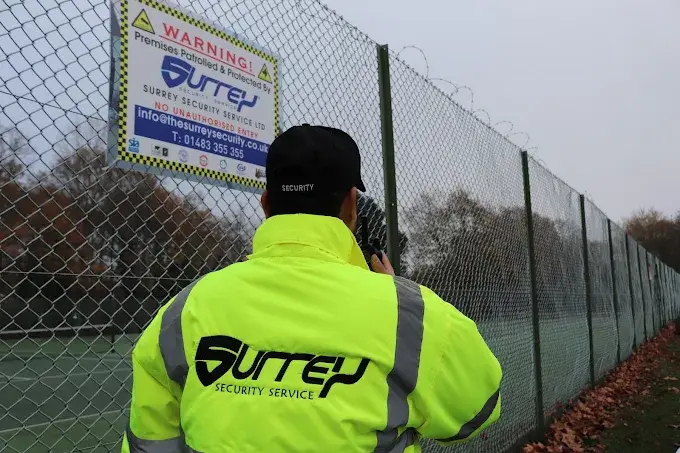
Introduction to Affordable Security Services
In the contemporary landscape, ensuring safety and security has become a critical concern for various stakeholders across the UK. From businesses requiring protection against theft and vandalism to events that need crowd control and safety protocols, the demand for reliable security services is on the rise. Moreover, individuals seeking to secure their personal properties are increasingly turning to professional security solutions. This evolution in the security sector necessitates a comprehensive understanding of security services and their affordability.
The growing demand for affordable security guards reflects a significant shift in how organizations and individuals approach safety. Contrary to common misconceptions, high-quality security services do not have to come at exorbitant prices. Many potential clients erroneously believe that premium security is synonymous with high costs, which may deter them from seeking professional support. However, there are numerous reputable security services that offer effective solutions tailored to fit various budgets without compromising on quality.
Affordable security guards are not only accessible but often highly trained professionals who can adapt to diverse environments. The rationale for seeking budget-friendly options encompasses both financial constraints and the necessity for adequate security measures. Be it a corporate event, residential area, or commercial establishment, the presence of dedicated security personnel fosters a sense of safety and confidence.
As the security industry evolves, more companies are recognizing the significance of affordability without sacrificing safety standards. Clients can thus expect to find a myriad of options that blend cost-effectiveness with quality service, ensuring that their security needs are met efficiently. In the context of the UK, this development is crucial as individuals and businesses alike strive to protect their interests in an ever-changing environment.
Types of Security Services Offered
In today’s world, ensuring safety and security is paramount for individuals and businesses alike. A variety of security services are available in the UK, catering to diverse needs and budgets. Understanding these options can help clients choose the right solution for their situation.
Subscribe to CHARLES GROUP SECURITY LTD!
Get updates on the latest posts and more from CHARLES GROUP SECURITY LTD straight to your inbox.I agree to my personal data being used for interest-based advertising as outlined in the Privacy Notice and the Ad Partner page.Subscribe
One common form of security service is mobile patrols. This service involves security personnel patrolling a designated area in a vehicle, offering a visible deterrent against potential threats. Mobile patrols are ideal for businesses or residential areas that require regular security checks without the presence of permanent staff. They can respond quickly to incidents, ensuring a rapid resolution of any security concerns.
On-site guards are another vital service in the realm of security solutions. These trained professionals are stationed at specific locations, such as corporate offices, retail stores, or event venues. Their presence not only deters criminal activity but also provides immediate assistance in emergencies. On-site guards can be tailored to fit the specific needs of the client, offering additional benefits such as customer service and emergency response.
For those planning events, event security is essential. This service involves a comprehensive approach to safeguarding guests and property during gatherings such as concerts, festivals, or corporate functions. Event security teams ensure crowd control, access management, and overall safety throughout the event, creating a secured environment for attendees.
Furthermore, CCTV monitoring has become an indispensable tool in modern security strategies. With advancements in technology, remote monitoring systems allow clients to oversee their premises in real-time. This service is beneficial for clients needing constant vigilance without the necessity of on-site personnel. CCTV systems can act as both a deterrent and a means of evidence collection during incidents, giving clients peace of mind.
Choosing the right combination of these services can lead to enhanced security, tailored specifically to meet individual client requirements and budgetary considerations.
Benefits of Hiring Affordable Security Guards
In today’s world, ensuring safety and security is paramount for businesses and individuals alike. The advantages of hiring affordable security guards are numerous, providing both financial benefits and peace of mind. One of the most significant advantages is the cost savings associated with affordable security services. Companies often worry that hiring cheaper security solutions might compromise their safety, yet this is not always the case. A wide range of security companies offers competitive pricing without sacrificing the quality of service.
Professional protection is another essential benefit. Affordable security guards typically undergo rigorous training and possess the necessary certifications to ensure they can effectively handle various security situations. Clients can trust that even at a lower cost, their premises are being monitored and safeguarded by experienced personnel who are well-versed in security procedures and emergency protocols.
Moreover, hiring affordable security guards instills a greater sense of peace of mind. Knowing that there are trained professionals on-site to deter potential threats can significantly reduce anxiety for both business owners and their employees. This peace of mind extends beyond mere presence; it encompasses the assurance that every possible measure is being taken to protect people and property.
Furthermore, many affordable security service providers offer 24/7 availability, which is crucial in maintaining a secure environment at all times. Whether it’s during the day or in the middle of the night, having professional security personnel on-hand ensures immediate response to any incidents that may arise. Accessibility to security services without exorbitant fees means companies can allocate their financial resources more effectively while still maintaining top-notch security.
In conclusion, hiring affordable security guards offers multiple benefits, including cost efficiency, reliable protection, peace of mind, and round-the-clock service. The misconception that higher prices guarantee better security is countered by the availability of competent, cost-effective security solutions. Companies should consider these factors when choosing security services to find the perfect balance between affordability and quality.
Factors Influencing the Cost of Security Services
The cost of hiring security guards can vary significantly based on several contributing factors. Understanding these elements is crucial for clients looking to optimize their budgets while ensuring safety and security. One of the primary factors is the location of the service. Urban areas typically have higher costs due to elevated risks and the demand for security personnel, whereas rural areas may present lower costs due to lesser demand.
An additional significant factor is the level of training and experience required for the security guards. Highly trained personnel, such as those with specialties in emergency response, crowd management, or threat assessment, usually command higher wages. Conversely, guards with basic training may offer more affordable options but might not be suitable for every situation.
The nature of the assignment also affects the overall cost. For example, tasks that involve patrolling a high-value facility or monitoring sensitive events will typically require more skilled personnel, thus driving up costs. Additionally, the number of guards needed for an assignment and whether the job entails armed or unarmed security services can also alter pricing.
Lastly, the duration of service plays a pivotal role in determining costs. Short-term hires may result in higher per-hour rates, while long-term contracts often allow clients to negotiate for better rates. Clients can seek to adjust these variables to align with their budgetary constraints while still maintaining a high level of security.
Taking all these factors into account allows clients to make informed decisions about their security needs, optimizing their financial resources without compromising safety.
Subscribe to CHARLES GROUP SECURITY LTD!
Get updates on the latest posts and more from CHARLES GROUP SECURITY LTD straight to your inbox.I agree to my personal data being used for interest-based advertising as outlined in the Privacy Notice and the Ad Partner page.Subscribe
Finding Security Guards Near You
Locating affordable security guards in the UK can be a straightforward task when approached systematically. The initial step is to utilize online platforms that specialize in security services. Websites such as Yelp, Thumbtack, and Checkatrade allow you to compare various security firms in your area, providing customer reviews and ratings that can significantly influence your decision. It is advisable to check these platforms regularly, as new companies frequently enter the market.
Another effective approach to finding security services is to directly contact local security firms. These firms often have a range of options tailored to different budgets. You can inquire about their rates, service packages, and any promotional offers that may not be widely advertised. Opting for a local provider can also mean better responsiveness and the possibility of negotiating lower rates due to reduced travel times for the guards.
Recommendations from fellow businesses or professionals in your network can provide valuable insights. Engaging with local business associations or community groups may shed light on reliable security service providers that have proven helpful to others in similar circumstances. Peer recommendations can guide you through the multitude of options available and help identify security firms that consistently deliver quality service.
Finally, consider reaching out to professional associations, such as The Security Industry Authority (SIA) in the UK. These organizations can provide lists of licensed security firms and guidelines for what to look for when hiring security staff. They may also offer additional resources, such as forums or directories specific to your region. By leveraging these various avenues, you can effectively find affordable security guards that meet your specific requirements.
What to Look for in a Security Provider
Choosing a reliable security guard service is crucial for the safety and protection of your property or event. When searching for affordable security guards near you in the UK, several key qualities and credentials should be taken into consideration to ensure optimal service delivery.
First and foremost, verify that the security provider is properly licensed. Licensing requirements vary across regions, but a legitimate agency will possess the necessary licenses mandated by local authorities. This not only reflects compliance with legal standards but also indicates that the security personnel are qualified to perform their duties professionally and ethically.
In addition to licensing, insurance coverage is essential. A reputable security guard company should have comprehensive liability insurance to protect you in case of any incidents that may occur during their service. This includes coverage for damages or injuries that may affect your property or personnel.
Experience is another important factor to consider. Look for a security provider with a proven track record in the industry. Experienced personnel tend to be more adept at handling various situations that may arise, as they can draw upon extensive training and real-world scenarios.
Training is a critical component of security services. Each security guard should undergo rigorous training that encompasses conflict resolution, emergency response, and safety protocols. Inquire about the training programs offered by the company to ensure their guards are well-prepared for any potential threats.
Lastly, reputation plays an integral role in selecting a security provider. Research online reviews, testimonials, and case studies to gauge the experiences of previous clients. Asking for recommendations from acquaintances can also yield valuable insights into trustworthy security services.
By considering these factors and asking pertinent questions during your evaluation process, you can ensure that you engage a reliable and professional security guard service that meets your specific needs.
Subscribe to CHARLES GROUP SECURITY LTD!
Get updates on the latest posts and more from CHARLES GROUP SECURITY LTD straight to your inbox.I agree to my personal data being used for interest-based advertising as outlined in the Privacy Notice and the Ad Partner page.Subscribe
Real-life Examples and Case Studies
The implementation of affordable security guards has proven beneficial for numerous businesses and individuals across the UK. One notable case pertains to a mid-sized retail store in London, which faced frequent shoplifting incidents. By hiring an affordable security service, the store management significantly reduced theft and maintained a safer shopping environment. The presence of security personnel not only deterred potential thieves but also fostered customer trust and loyalty. This positive outcome demonstrates how real security measures can lead to increased sales and satisfied patrons.
Another pertinent example comes from a local community center in Manchester that struggled with vandalism and safety concerns during evening events. After engaging affordable security guards, the center noticed a remarkable decline in disturbances. The security team implemented a visible patrol system and engaged with visitors to establish a sense of safety. As a result, attendance at events rose considerably, with families feeling assured about their safety. This illustrates the profound effect that professionally managed security services can have on enhancing community confidence.
In a contrast case, a small tech startup located in Birmingham opted for an internal security solution, trying to save costs. However, they soon found this method inadequate, resulting in several incidents of data theft and property damage. Realizing the urgency for professional help, the startup hired a specialized, affordable security team. Following their deployment, the company reported a drastic reduction in both physical and cyber incidents, showcasing how tailored security solutions can address specific vulnerabilities effectively.
These examples highlight not only the practicality of engaging affordable security guards but also their pivotal role in fostering safe environments that align with the varying needs of different sectors. The stories underscore the essential benefits that dedicated security personnel bring to both businesses and the community at large.
Common Misconceptions About Security Guards
In the realm of personal and property safety, there are several misconceptions regarding the role and necessity of security guards. One prevalent myth is that hiring security solutions is always exorbitantly expensive. However, this notion fails to consider the range of options available that fit within various budgets. Many security services offer flexible plans tailored to specific needs and financial constraints, thus making this essential service accessible to a broader audience.
Another common belief is that hiring security guards is an unnecessary expense, particularly for small businesses or residential homes. Contrary to this assumption, statistics reveal that the presence of security personnel can significantly reduce the likelihood of theft, vandalism, and other criminal activities. According to a report by the Security Industry Authority, businesses that implement security measures, including hiring guards, see a decrease in crime rates by up to 40%. This statistic highlights that investing in security is not merely a cost but rather a strategic investment to protect assets and ensure safety.
Furthermore, it is critical to understand that the cost of not hiring security can often surpass the expense of actually employing guards. For instance, the financial repercussions of a break-in or vandalism, which includes loss of property and damage repairs, can far exceed the cost of regular security services. In today’s volatile environment, where security threats are increasing, taking proactive measures by engaging affordable security guards can provide peace of mind and a secure environment.
Ultimately, dispelling these myths can enhance awareness about the value that security guards bring to both commercial and residential settings. Recognizing the benefits they provide can help individuals and businesses make informed decisions regarding their security investments.
Conclusion and Final Recommendations
In conclusion, the necessity for robust security measures cannot be overstated, especially in an increasingly unpredictable world. Affordable security guards provide an effective solution for individuals and businesses seeking to enhance their safety without imposing a heavy financial burden. Through this blog post, we have explored various aspects of hiring security personnel, emphasizing the importance of selecting robust security services that align with your budgetary constraints.
Subscribe to CHARLES GROUP SECURITY LTD!
Get updates on the latest posts and more from CHARLES GROUP SECURITY LTD straight to your inbox.I agree to my personal data being used for interest-based advertising as outlined in the Privacy Notice and the Ad Partner page.Subscribe
Throughout our discussion, we highlighted several critical points regarding the selection process, including the evaluation of the security company’s credentials, the range of services offered, and the necessity for transparent pricing structures. Ensuring that the security agency you engage holds a valid license and has a good reputation in the industry is paramount. Moreover, potential clients should consider tailored security solutions that meet their specific needs, whether for event security, personal protection, or business surveillance.
By investing in affordable security guards, you are not just purchasing a service but also enhancing your peace of mind. Accessible quality security solutions do exist, often allowing for flexibility in engagement terms to accommodate various budgets. Furthermore, the value of preventive measures taken today far outweighs the potential costs associated with security incidents in the future. It is vital to view the hiring of security personnel as a proactive step towards safeguarding your environment.
Ultimately, the accessibility of quality security services in the UK means that establishing a secure environment is attainable for all. We encourage readers to approach the process thoughtfully and take the necessary steps towards ensuring their safety and well-being through capable and cost-effective security measures.