
Ensuring Safety and Security: The Importance of Vacant Property Inspections by UK Security Guard Services

Introduction to Vacant Property Inspections
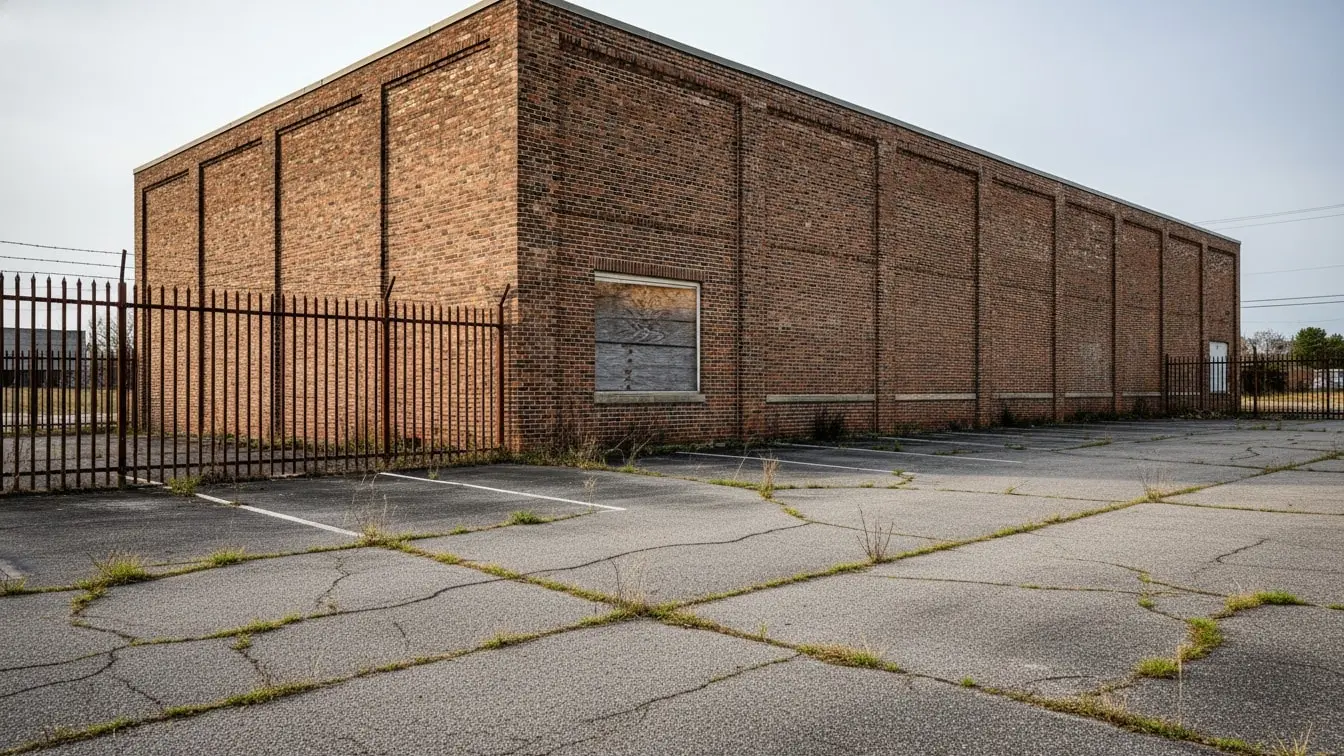
Vacant property inspections are an essential component of safeguarding properties that are unoccupied for extended periods. As these properties can become targets for vandalism, theft, and squatters, conducting regular inspections is critical in mitigating associated risks. This practice not only helps in preserving the physical state of the property but also enhances its security and protects the interests of the owner.
The absence of occupants in a property can lead to various challenges. For instance, vacant buildings often suffer from neglect, which may result in deterioration due to weather exposure, pests, or structural issues. Additionally, the lack of human presence can create opportunities for unauthorized individuals to access the property, potentially leading to criminal activities. It is therefore imperative for property owners to implement a systematic approach to inspection.
During these inspections, security personnel assess the condition of the property, looking for signs of damage, unauthorized access, and maintenance issues that may require attention. Regular inspections serve as a deterrent against potential intruders, as the visible presence of security professionals indicates that the property is being monitored. Moreover, these inspections frequently identify maintenance needs that, if addressed promptly, can prevent more significant issues down the line.
In summary, vacant property inspections are critical for ensuring the safety and security of unoccupied premises. Engaging professional UK security guard services to perform these inspections not only protects the property from vandalism and theft but also provides peace of mind to the owner. By regularly assessing and addressing any emerging risks, property owners can mitigate potential threats and keep their assets secure.
The Role of Security Guards in Property Inspections
Security guards play a pivotal role in ensuring the safety and security of vacant properties during inspections. Their primary responsibilities encompass a thorough assessment of the property’s condition, vigilance against potential security breaches, and timely reporting of any suspicious findings to property owners. Property inspections conducted by professional security personnel lend a vital layer of protection, especially for unoccupied venues that are often vulnerable to vandalism, theft, or environmental damage.
A key responsibility of security guards during these inspections is to conduct a detailed walkthrough of the premises. This involves examining the physical integrity of the property, checking doors and windows to ensure they are securely locked, and identifying any signs of forced entry. Such proactive measures mitigate risks and offer peace of mind for property owners who may not have immediate access to their vacant locations. Security guards are trained to recognize unusual or hazardous conditions, such as water leaks, fire hazards, or the presence of unauthorized individuals.
In addition to assessing the property’s physical state, guards are tasked with monitoring the surrounding environment for unusual activities or behaviors that could compromise security. Their training equips them to identify inconsistent patterns and potential threats, allowing for immediate response. Should any incidents or anomalies occur during their surveillance, security guards are expected to document these findings meticulously and relay the information to property owners promptly. This reporting mechanism is crucial for taking further action, whether it involves arranging repairs or notifying law enforcement.
In summary, security guards are integral to the safety of vacant properties. Through comprehensive inspections, vigilant monitoring, and diligent reporting, they ensure that property owners can protect their investments and maintain a secure environment, thus underscoring the importance of employing qualified UK security guard services for property inspections.
Common Risks Associated with Vacant Properties
Vacant properties present a unique set of vulnerabilities that can lead to significant risks for the property itself and the surrounding community. One of the most pressing concerns is vandalism. Unattended buildings often become targets for graffiti, broken windows, and other forms of destruction, which can escalate into more severe damage if not addressed promptly. Such acts not only degrade the property value but also convey a sense of neglect that can negatively impact the neighborhood’s overall attractiveness.
Squatting is another prevalent issue related to vacant properties. When a building is unoccupied for an extended period, it may attract individuals looking for shelter, leading to unauthorized occupancy. Squatters can impose legal complexities for property owners, as evicting them can be a lengthy and costly process. Additionally, squatting can increase the risk of property damage, safety hazards, and even criminal activity on-site.
The risk of theft also looms large for vacant properties. Without regular oversight, valuable items, including fixtures, appliances, and even structural elements such as copper piping, can be easily stolen. This not only results in immediate financial loss but may also lead to further extensive repairs that can significantly burden the property owner.
Furthermore, fire hazards can pose critical dangers to vacant properties. Overgrown vegetation around an unmaintained property can create combustible materials that may ignite due to accidental causes, while the absence of occupancy increases response times during emergencies. A neglected property can become a focal point for fires, endangering not just itself but also nearby homes and businesses.
In light of these associated risks, it becomes evident that regular inspections and proper management by UK security guard services are essential in safeguarding vacant properties and the communities surrounding them.
Key Features of a Thorough Inspection Process
Ensuring the safety and security of vacant properties is an essential responsibility undertaken by security guard services across the UK. A comprehensive inspection process plays a crucial role in identifying potential issues that could compromise the property’s safety and security. To effectively execute a vacant property inspection, several key components must be included.
Firstly, a thorough assessment of the building’s structural integrity is vital. Inspectors will check for any signs of damage, such as cracks in the walls, issues with the roof, or compromised foundations. These structural analyses help to identify potential hazards that could pose risks to the property and surrounding areas, ensuring that necessary repairs can be scheduled promptly.
Secondly, evaluating the existing security systems is imperative. Inspectors will examine locks, alarms, surveillance cameras, and lighting systems to ensure they are functional and appropriately safeguarding the property. This includes assessing the placement and condition of these systems, ensuring they are capable of deterring intruders and alerting authorities in case of an emergency.
Environmental concerns also play a significant role in the inspection. Inspectors should look for signs of pest infestations or damage caused by wildlife, as these can cause significant harm to the property over time. Additionally, inspecting external grounds for potential hazards, such as overgrown vegetation or debris, can prevent future accidents or security breaches.
Finally, documentation of all findings during the inspection process is crucial. A comprehensive report outlining identified risks, recommended actions, and the current status of security measures provides property owners with vital insights and accountability in maintaining their properties. By following these critical steps, UK security guard services can ensure that vacant properties remain safe and secure until they are reoccupied.
Establishing a Regular Inspection Schedule
Creating a regular inspection schedule is a fundamental aspect of ensuring the safety and security of vacant properties. Establishing such a schedule allows property owners and managers to identify potential risks, address maintenance issues, and deter criminal activity. The frequency of these inspections can vary significantly based on several crucial factors associated with the specific property.
One of the primary influences on inspection frequency is the property’s location. Properties situated in high-crime areas may require more frequent inspections due to a higher propensity for vandalism, theft, or unauthorized occupancy. Conversely, properties in safer neighborhoods might necessitate less frequent checks. Local crime statistics and community awareness can provide valuable insights into establishing an appropriate inspection timeline.
Another consideration is the overall condition of the property. Vacant buildings that exhibit signs of wear and tear may need more regular inspections to monitor for developing issues that could compromise security. This includes checking for broken windows, damage to entrances, or overgrown landscapes that can hide intruders. Properties that are well-maintained may only require occasional visits, as they demonstrate lower risks of security breaches.
Moreover, potential risks can vary with the seasons. For instance, winter may pose threats such as water damage from freezing pipes or hazards created by snow and ice, thereby necessitating more frequent checks during this time. Similarly, in areas prone to extreme weather, scheduling inspections before and after such events can minimize risks associated with storm damage.
Overall, a robust inspection schedule is integral to safeguarding vacant properties. Factors such as location, condition, and weather-related risks should guide the frequency of these evaluations, ensuring that property security measures are both efficient and effective.
Utilizing Technology in Property Inspections
In today’s rapidly evolving technological landscape, the incorporation of innovative tools into vacant property inspections has become paramount. Security guard services in the UK have increasingly adopted various technological advancements to streamline inspection processes and enhance overall safety. Surveillance cameras, for instance, serve as a fundamental part of this technological integration. By strategically placing these cameras around the property, security personnel can monitor real-time activities, deterring potential intruders and enabling prompt responses to incidents.
Moreover, mobile applications for real-time reporting significantly improve communication and documentation of property conditions. Security staff can use these apps to record findings immediately, taking photographs and noting issues that require attention. This immediate report generation not only enhances the speed at which problems are identified but also ensures accurate records for future reference, which is crucial in property management and maintenance.
Additionally, virtual tours have emerged as a beneficial tool in the property inspection arena. This method allows for comprehensive assessments without the need for physical presence in every instance. Property stakeholders can view the premises remotely, thus facilitating quicker decision-making regarding necessary actions. Utilizing 3D imaging technology, virtual tours can reveal hidden areas and potential concerns that a standard walkthrough might miss, offering a more thorough understanding of the property’s condition.
As technology continues to develop, integrating these tools into the inspection process will inevitably increase efficiency and accuracy. By leveraging such innovations—surveillance systems, mobile reporting applications, and virtual tours—UK security guard services will enhance their operational capabilities and provide higher assurance in maintaining the safety and security of vacant properties.
Legal and Insurance Considerations
Property owners in the UK have a duty of care to ensure that their vacant properties are secure and well maintained. This responsibility not only encompasses routine inspections and security measures but also adheres to various legal requirements and contractual obligations with insurance providers. Failure to perform regular inspections can lead to significant legal and financial repercussions.
Firstly, landlords and property owners must understand their obligations under the Occupiers’ Liability Act, which states that proprietors must take reasonable steps to prevent injury to visitors and unauthorized persons. In the case of a vacant property, while fewer individuals may be present, the risk of vandalism, squatting, and accidental damage still exists. Consequently, if an individual were to be injured on the premises due to the owner’s neglect, the owner could be held liable.
Moreover, from an insurance perspective, failing to conduct regular vacant property inspections can have dire consequences on insurance claims. Many insurance policies include clauses that require property owners to undertake specific proactive measures to ensure security. If an incident were to occur and it is revealed that neglecting inspections led to the damage or hazard, the insurance company might deny the claim. This could leave the property owner with significant financial losses, as they would have to cover repair costs and potential liabilities out of pocket.
Additionally, maintaining proper documentation of property inspections can help in mitigating disputes with insurance adjusters and legal representatives. Regular records prove due diligence on the part of the property owner and can serve as evidence of adopted safety measures, potentially protecting the owner in case of litigation.
In conclusion, conducting vacant property inspections is not merely a good practice but a legal necessity. Ensuring compliance with laws and insurance requirements can significantly reduce risks and protect property investments in the long run.
Choosing the Right Security Guard Service
When it comes to safeguarding vacant properties, selecting an appropriate security guard service is of paramount importance. It is essential to consider several factors to ensure that you partner with a trusted and reliable service. One significant aspect to evaluate is the experience of the security firm. Look for a company that specializes in vacant property inspections and has a proven track record in this unique niche of security. Established firms often demonstrate a greater understanding of the challenges associated with monitoring unoccupied spaces, and their experience can lead to more effective preventative measures.
Additionally, industry certifications play a crucial role in your decision-making process. A reputable security guard service should possess relevant licenses and certifications that comply with UK regulations and standards. These credentials indicate that the company adheres to established best practices in training their personnel and deploying strategies that prioritize safety and security. By selecting a service with recognized certifications, you can be more confident in the quality of the oversight they will provide.
Moreover, customer reviews and testimonials can offer valuable insights into the reliability and effectiveness of a security guard service. Conducting research on previous clients’ experiences can help inform your choice. Pay attention to feedback regarding responsiveness, professionalism, and the ultimate effectiveness of the security measures implemented during vacant property inspections. A high level of customer satisfaction can serve as an indicator of a service that values its clients and delivers on its promises.
Overall, by thoroughly vetting potential security guard services based on experience, certifications, and customer reviews, you can make an informed decision that ensures the safety and security of your vacant property.
Conclusion: The Value of Vacant Property Inspections
In light of the various challenges posed by vacant properties, the importance of conducting regular inspections cannot be understated. Vacant properties can become prime targets for vandalism, theft, and other illegal activities if left unmonitored. Consequently, the regular engagement of UK security guard services for property inspections serves not only to secure these assets but to contribute to the broader safety of the surrounding community.
One of the primary benefits of periodic inspections is the early detection of potential risks. Security personnel trained in identifying hazards can swiftly address issues such as broken windows, unauthorized access, or signs of squatters. This proactive approach can save property owners from significant financial losses and ensure compliance with any legal requirements regarding property maintenance. Moreover, a visibly secure vacant property can deter criminal activity, thus encouraging a safer environment for all residents.
Furthermore, the presence of professional security personnel in an area instills a sense of safety among local inhabitants. Communities are more likely to flourish when they feel secure, and the routine inspections of vacant properties by security guards contribute directly to this perception of safety. By adopting preventative measures and maintaining vigilance, property owners not only safeguard their investments but also foster a positive influence on neighborhood stability.
In conclusion, vacant property inspections by UK security guard services play a vital role in protecting assets and enhancing community safety. Through regular examinations and prompt responsiveness to emerging issues, these services are indispensable in the management of vacant properties, creating a safer and more secure environment for everyone involved.
