Introduction to Security Guard Services
In the United Kingdom, security guard services play a crucial role in enhancing safety across various settings, including commercial properties, residential areas, and public events. As a response to increasing security concerns, the professionalism and effectiveness of these services have grown, positioning them as a vital component in safeguarding both properties and individuals. The services are designed to deter crime, manage risks, and ensure that the environment remains safe for all stakeholders involved.
Security personnel typically fulfill multiple roles that extend beyond mere presence. They are trained to identify potential threats, respond to emergencies, and manage incidents effectively. Their responsibilities can include patrolling premises, monitoring surveillance equipment, and conducting security assessments. Additionally, door supervision is a specialized aspect of security guard services, primarily focused on maintaining order and safety in venues such as bars, clubs, and event spaces. This specialized training equips security personnel to handle various situations, from managing entry points to dealing with disruptive individuals.
The demand for professional security services is continually rising, underlining the importance of recruiting skilled and trained individuals in the sector. Such personnel not only bring expertise to their roles but also contribute significantly to the overall sense of safety and security within a community. Their presence often acts as a deterrent against criminal activities and helps in fostering a secure environment for patrons and residents alike.
What is Door Supervision?
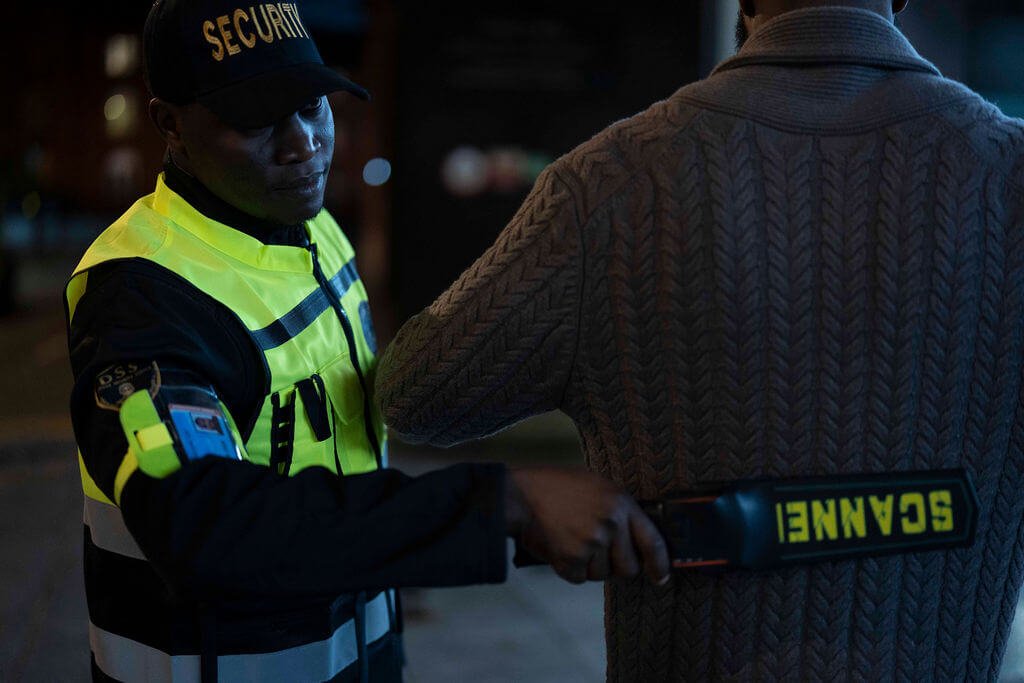
Door supervision is a critical aspect of security services in the United Kingdom, particularly in environments where large crowds gather, such as bars, nightclubs, and public events. Door supervisors, commonly known as bouncers, are tasked with maintaining the safety and order of these venues. Their primary responsibilities include monitoring guests entering and leaving the premises, ensuring that only authorized individuals gain access. This role is vital in preventing alcohol-related incidents and ensuring compliance with licensing regulations.
A door supervisor’s responsibilities extend beyond controlling admissions. They are trained to assess situations quickly, managing conflict and de-escalating potentially volatile situations. This skill set is especially relevant in environments where patrons may consume alcohol, as it reduces the likelihood of disorderly conduct. Moreover, door supervisors often act as a first line of defense by conducting thorough ID checks to prevent underage drinking and ensuring that intoxicated individuals are not permitted entry.
The importance of door supervision cannot be overstated. A well-trained door supervisor fosters a secure atmosphere, helping both patrons and staff feel safe. They serve as a visible deterrent to potential troublemakers and play a pivotal role in emergency response situations, ensuring that exits remain clear and orderly amidst any chaos. In light of their significant contribution, door supervisors are integral to the overall security framework of event management, making their presence essential for ensuring successful and safe operations.
Key Responsibilities of Door Supervisors
Door supervisors play a vital role in ensuring safety and security within various establishments, particularly in places with high foot traffic such as nightclubs, bars, and event venues. Their responsibilities encompass several key areas that contribute significantly to an overall secure environment.
One of the primary duties of door supervisors includes checking identification (IDs) of patrons entering the premises. This task is essential in verifying that individuals are of legal age to enter venues that serve alcohol, helping to maintain compliance with licensing laws. Through meticulous ID checks, door supervisors help prevent underage drinking, thereby promoting a responsible drinking culture.
Monitoring crowd behavior is another crucial responsibility. Door supervisors are trained to observe the demeanor of guests and identify any signs of potential disturbances or conflicts. By staying vigilant and intervening early, they can de-escalate situations before they escalate into more significant incidents. This proactive approach to crowd management is essential in maintaining a safe ambience where guests can enjoy their time without fear.
Moreover, managing access control is a core aspect of a door supervisor’s role. This encompasses not only monitoring entry and exit points but also limiting access to specific areas within the venue, such as VIP sections. By doing so, door supervisors ensure that only authorized individuals can enter sensitive or restricted areas, thereby enhancing overall security.
Additionally, door supervisors are trained to respond promptly to incidents, whether they involve health emergencies, unruly behavior, or security threats. Their ability to act decisively can mitigate risks and reduce harm to both patrons and staff. The presence of well-trained door supervisors contributes to a secure environment, reinforcing trust among patrons who expect safety and professionalism within the venue.
Legal Requirements and Licensing for Door Supervisors in the UK
In the UK, the operation of door supervision services is regulated under the Security Industry Authority (SIA). This body oversees the licensing and training of individuals who wish to work as door supervisors. One of the fundamental legal requirements is that all door supervisors must hold a valid SIA license. This ensures that personnel operating in this capacity possess the necessary skills and knowledge to perform their duties effectively and legally.
To obtain an SIA license for door supervision, candidates must successfully complete a recognized training course that covers essential topics, including personal safety, conflict management, and understanding relevant laws. Following this, candidates must pass an examination to demonstrate their understanding and competence in the subject matter. Moreover, applicants are required to undergo a criminal background check to ensure they have no disqualifying convictions. This process is crucial for maintaining the professionalism and integrity of security services within the UK.
Additionally, door supervisors are subject to various legal frameworks, such as the Private Security Industry Act 2001 and the Licensing Act 2003. These legislations govern the conduct of door supervisors in various environments, such as pubs, clubs, and other licensed venues. Compliance with these laws is essential not only for the safety of patrons but also for the operators who employ these security professionals. Failure to abide by these regulations can lead to severe penalties, including fines and revocation of licenses, which highlights the importance of adherence to the legal requirements in the door supervision sector.
Skills and Qualities of a Good Door Supervisor
In the realm of security services, particularly in the context of door supervision, possessing a specific set of skills and attributes is crucial for ensuring safety and maintaining order. Firstly, effective communication skills are indispensable. A good door supervisor must be able to convey information clearly, whether it involves instructing patrons, coordinating with co-workers, or reporting incidents to law enforcement. The ability to communicate calmly and assertively can prevent misunderstandings and potential conflicts, facilitating a secure environment.
Next, decision-making abilities are paramount. Door supervisors often face situations where they must make quick judgments to ensure the safety of individuals present. This could range from assessing the risk level of a situation to determining when to involve law enforcement. Sound decision-making hinges on both intuition and experience, enabling door supervisors to act appropriately under pressure.
Physical fitness is another essential quality of a door supervisor. The job may require standing for extended periods, as well as the ability to respond swiftly to physical confrontations. A good level of fitness can enhance a supervisor’s resilience and capability to handle potentially hazardous situations effectively.
Conflict resolution skills play a critical role in door supervision as well. A proficient supervisor should be adept at de-escalating tense situations, often using negotiation and persuasive techniques instead of resorting to force. The emphasis on resolving conflicts amicably maintains a positive atmosphere and fosters a sense of safety among patrons.
Finally, a strong customer service orientation is vital in the role of a door supervisor. This involves not just overseeing security but also ensuring that all guests feel welcomed and respected. By combining effective security measures with a customer-focused approach, door supervisors can significantly enhance the overall experience at any establishment.
Training and Certification for Door Supervisors
In the United Kingdom, the role of door supervisors is critical for maintaining security and order in various environments, including bars, clubs, and events. Proper training and certification are essential for those aspiring to enter this profession, ensuring they are equipped with the necessary skills and knowledge. Various training programs are available, which are designed to cover a wide range of relevant topics.
The primary qualification required for door supervisors in the UK is the Security Industry Authority (SIA) license. To obtain this license, individuals must complete an accredited training course that typically includes modules on conflict management, physical intervention, first aid, and legal responsibilities. These courses not only prepare candidates for their role but also help them to handle potentially volatile situations effectively and safely.
Conflict management is a pivotal area of training for door supervisors. This module teaches techniques for de-escalating confrontations and ensuring that conflicts are resolved peacefully. Additionally, participants are educated on the legal framework surrounding their responsibilities, including the use of reasonable force. This understanding is critical for ensuring that door supervisors operate within the law while managing situations that may arise in their line of duty.
First aid training is another essential component of door supervisor certification. Having the ability to respond promptly to medical emergencies can be life-saving. Understanding how to perform basic first aid can greatly contribute to the safety and well-being of patrons in various venues.
In conclusion, aspiring door supervisors in the UK must undergo comprehensive training that covers numerous aspects vital to their role. Acquiring the SIA license through these programs not only establishes their credibility but also promotes safety and professionalism within the security sector.
The Role of Technology in Enhancing Door Supervision
The integration of technology into security services, specifically in door supervision, has significantly transformed operational efficiency and effectiveness. Modern technological advancements, including surveillance systems and communication devices, have been pivotal in enhancing the capabilities of security personnel stationed at entry points.
Surveillance systems, such as high-definition cameras, allow for continuous monitoring of premises. These systems not only provide real-time footage but also enable recorded data storage, which can be instrumental for incident analysis and evidential purposes. Door supervisors equipped with visual monitoring capabilities can assess potential threats more effectively and respond promptly, ensuring heightened safety and security for both personnel and visitors.
Moreover, the role of communication devices, such as two-way radios and mobile applications, cannot be overlooked. These tools enable instant communication between door supervisors and other security staff, facilitating quick information sharing and coordination. When an incident occurs, the ability to communicate effectively can lead to swift reactions, minimizing risks and ensuring a calm resolution. Furthermore, technological solutions like panic buttons allow door supervisors to alert law enforcement or emergency responders without delay.
Another significant technology advancement is the utilization of incident management software. This software streamlines the reporting process, allowing door supervisors to document incidents accurately and efficiently. With such tools, data regarding incidents can be aggregated, thus enabling security organizations to identify patterns and potential vulnerabilities within a given environment. This analytical approach ultimately supports proactive strategies in door supervision, fostering a safer atmosphere.
In conclusion, the incorporation of technology into door supervision significantly enhances the overall effectiveness of security measures. As advancements continue to evolve, organizations are better equipped to respond to challenges while ensuring a secure environment for all stakeholders involved.
Challenges Faced by Door Supervisors
Door supervisors play a pivotal role in maintaining safety and security, particularly in venues that attract large crowds. However, their responsibilities come with numerous challenges that require both physical and mental resilience. One of the most significant challenges faced by door supervisors is dealing with aggressive individuals. It is not uncommon for supervisors to encounter patrons who are intoxicated or otherwise unruly, leading to potentially volatile situations. Proper training in conflict resolution and de-escalation techniques is essential to effectively manage these encounters and minimize the risk of escalation, ensuring safety for all involved.
Managing large crowds is another challenging aspect of the door supervisor’s role. High-density gatherings can increase the likelihood of disturbances, making it crucial for supervisors to remain vigilant and proactive. Ensuring smooth entry and exit, monitoring crowd behavior, and identifying potentially dangerous situations require a keen awareness of the environment. Employing strategies such as clear communication, signage, and organized entry procedures can enhance crowd management and reduce stress during busy times.
The pressure associated with the role of door supervisors cannot be overstated. They are often the first line of defense in ensuring public safety, which can lead to high-stress situations. The responsibility of making quick decisions while maintaining a calm demeanor is vital. Regular training and support from management can help supervisors cope with these pressures, providing them with the tools to handle stressful situations effectively.
Ultimately, understanding and addressing these challenges is crucial in enhancing the effectiveness of door supervisors. With adequate training and resources, they can navigate conflicts, manage crowds efficiently, and sustain a safe environment for all patrons, thereby contributing to a secure and enjoyable atmosphere in their venues.
Conclusion
In the ever-evolving landscape of security services within the UK, the role of door supervision emerges as a cornerstone for ensuring safety and order in various public environments. Professional door supervisors not only serve as a visible security presence but also play a critical role in risk management. Their training equips them to handle potential conflicts, monitor crowd behavior, and swiftly respond to incidents, thereby reducing the likelihood of disturbances.
Moreover, the importance of door supervision transcends beyond mere security. The presence of trained personnel fosters a sense of reassurance among patrons, allowing for a more enjoyable experience in establishments such as clubs, bars, and events. By effectively managing access and enforcing policies, door supervisors contribute significantly to creating a positive atmosphere, which is crucial in enhancing customer satisfaction and loyalty.
It is imperative, therefore, to recognize that professional door supervision is not just about maintaining order but also about promoting a safe and welcoming environment for all. As the demand for enhanced security in public spaces continues to grow, investing in qualified door supervisors will remain vital. Their expertise not only safeguards individuals and property but also establishes a foundation of trust and safety within communities. In conclusion, the role of door supervisors is an essential component of the broader UK security framework, underscoring the need for their professional presence in various venues.