
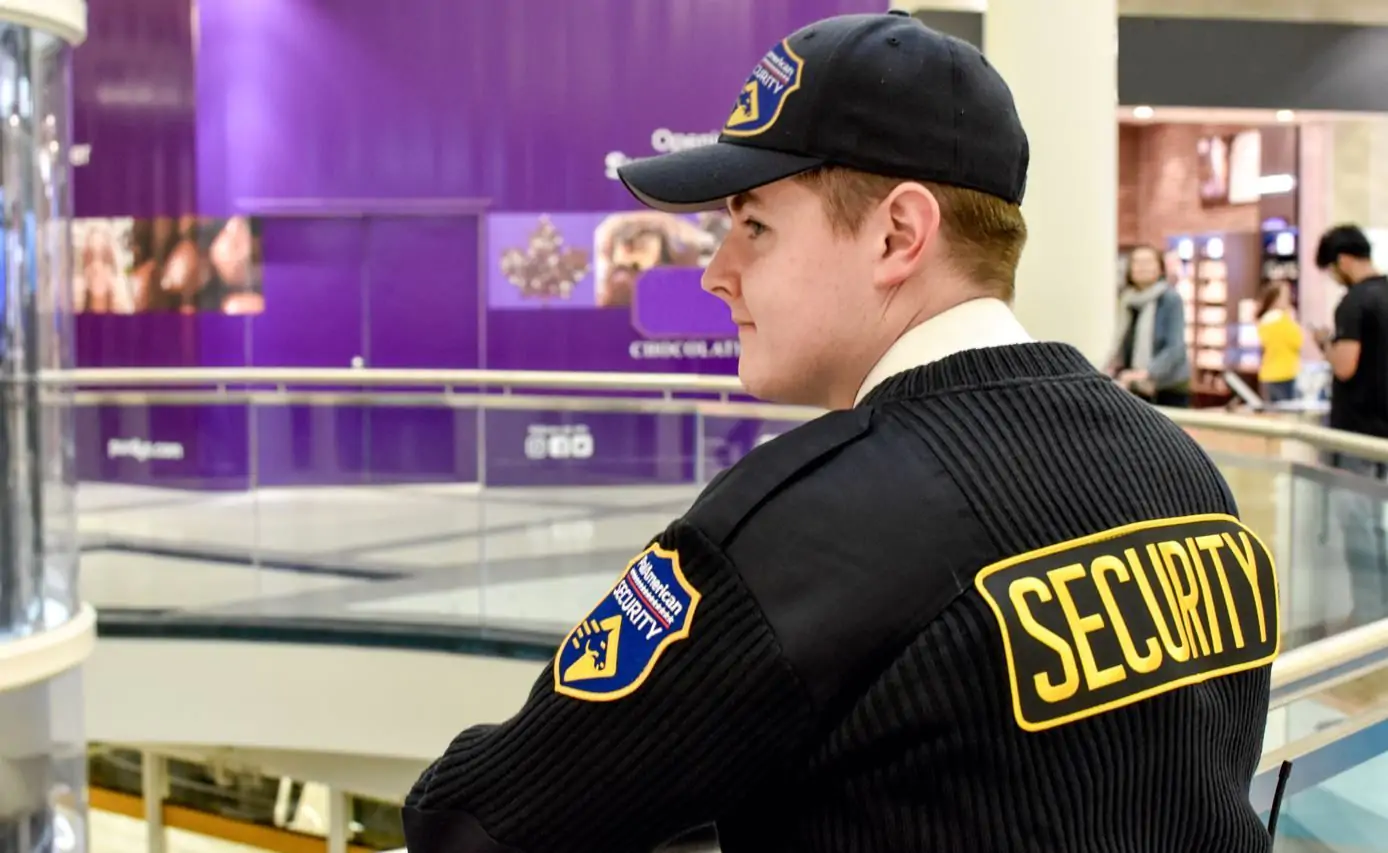
Introduction to Shopping Mall Security
In the contemporary retail environment, the significance of robust security planning in shopping malls cannot be overstated. With the rapid evolution of shopping habits and the rise in online retail, physical stores, especially shopping malls, have faced increasing challenges related to security. One of the most concerning trends is the surge in retail crime which has prompted mall owners and managers to rethink their security strategies.
Recent statistics indicate that incidents of theft, vandalism, and violent crimes within shopping centers have grown, illustrating a pressing need for comprehensive security measures that protect not only the physical assets but also the safety of customers and employees. Furthermore, the threat landscape is constantly evolving, with new methods being employed by criminals to exploit vulnerable points within mall infrastructures. Therefore, a proactive approach to security planning is essential for mitigating these risks.
Effective security planning encompasses a range of strategies, from employing trained security personnel and utilizing surveillance technology to implementing access control systems and emergency response protocols. Each of these elements plays a significant role in establishing a secure shopping environment. Moreover, it is equally important to engage with local law enforcement to ensure a collaborative approach that enhances the overall security framework. By understanding and addressing the diverse security challenges that shopping malls face, stakeholders can create a safer space for shoppers and employees alike.
In conclusion, the increasing instances of retail crime necessitate a strategic and thorough approach to security planning in shopping malls. By prioritizing safety measures, mall operators not only safeguard their assets but also foster a secure atmosphere that promotes consumer confidence and increases patronage.
Identifying Security Risks in Shopping Malls
Shopping malls, as bustling commercial hubs, face a myriad of security risks that necessitate comprehensive planning and vigilance. One of the predominant issues is theft, which can manifest in various forms, such as shoplifting and organized retail crime. Shoplifting affects not only the financial bottom line of retail establishments but also impacts customer safety and the overall shopping experience. Effective security measures, including surveillance systems and loss prevention strategies, are essential in mitigating these risks.
Vandalism represents another significant threat to shopping malls, impacting both property and public perception. Acts of vandalism can vary from graffiti to damage of facilities, which can deter patrons from frequenting the establishment. Investing in adequate lighting, security patrols, and engaging community outreach can help to build a culture of respect and deter potential offenders.
Crowd management issues also pose considerable risks, particularly during peak shopping seasons or special events. High concentrations of people can lead to challenges such as overcrowding, which may increase the likelihood of accidents or altercations. Establishing effective crowd control measures, such as designated entry and exit points and clear signage, can significantly enhance safety during high-traffic times.
Furthermore, shopping malls must be prepared for emergency situations, including natural disasters or security threats like active shooter scenarios. This requires thorough risk assessments and the implementation of robust emergency response plans that account for various contingencies. Regular training exercises for staff and clear communication protocols with local law enforcement and emergency services are crucial in ensuring a swift and effective response.
Understanding these risks in shopping malls is paramount to devising and executing effective security strategies. By identifying and analyzing potential threats, mall management can implement proactive measures, thus fostering a safe environment for both customers and employees.
Key Components of a Security Plan
Creating a comprehensive security plan for shopping malls necessitates consideration of several key components that work in unison to mitigate risks and enhance safety. One of the fundamental aspects is a thorough risk assessment. This process involves identifying potential threats and vulnerabilities specific to the shopping center. Factors such as location, foot traffic, and previous incidents should be evaluated to understand different types of risks such as theft, vandalism, or even emergency situations like natural disasters.
Following the risk assessment, implementing physical security measures is crucial. This can include advanced surveillance systems, secure entry points, and adequate lighting. Surveillance cameras placed strategically throughout the premises can serve to deter criminal activity and provide crucial evidence when necessary. Additionally, well-marked emergency exits and secure storage for valuables reinforce the facility’s physical defenses.
Equally important is the training of personnel. Security staff and employees should be trained to recognize suspicious behavior, manage conflicts, and respond appropriately to emergencies. Ongoing training ensures that they are well-prepared for various scenarios, thereby enhancing overall safety and response effectiveness. Drills and simulations can reinforce their preparedness, ensuring staff remain vigilant and capable of maintaining order.
Lastly, a solid emergency protocol forms the backbone of the security plan. Every shopping mall should establish clear guidelines for responding to crises, including evacuation procedures, communication protocols, and collaboration with local law enforcement. These protocols should be regularly reviewed and updated based on new threats or changes in circumstances. By integrating these key components—risk assessment, physical security, personnel training, and emergency protocols—shopping malls can develop a robust security framework that not only protects assets but also ensures the safety of patrons and staff alike.
Role of Surveillance and Technology in Mall Security
In contemporary shopping mall security planning, the integration of surveillance and advanced technology plays a crucial role in safeguarding both customers and property. Among the most widely adopted security measures are Closed-Circuit Television (CCTV) systems, which provide continuous monitoring of mall premises. These systems not only assist in identifying and deterring potential threats but also serve as valuable tools for post-incident investigations. High-definition cameras, strategically placed throughout the facility, offer real-time images, enhancing security personnel’s ability to respond promptly to any suspicious activity.
Access control systems represent another facet of technology that contributes significantly to mall security. These systems regulate entry and exit points, ensuring that only authorized personnel can access restricted areas. By employing card readers, biometric scanners, or mobile credentials, malls can effectively mitigate unauthorized access and enhance overall safety. Regular audits of these access points, along with timely updates of permission settings, are essential for maintaining robust security.
Additionally, alarm systems serve as vital components of an effective security strategy. Equipped with sensors that detect unauthorized entry or environmental hazards, these systems can trigger immediate alerts to security staff and local authorities. Their installation should be tailored to the specific layout and risk profile of the shopping mall, ensuring optimal coverage and response capabilities.
It is imperative for mall operators to recognize that technology is not static. Continuous upgrades and maintenance of surveillance and security systems are necessary to adapt to emerging threats and stay ahead of potential vulnerabilities. Regular assessments and adopting the latest advancements are key to enhancing the security posture of shopping malls.
Training Security Personnel
Training security personnel in shopping malls is crucial for maintaining a secure environment and ensuring the safety of shoppers and staff alike. A well-trained security team is equipped to handle a variety of challenges, ranging from everyday conflicts to potential emergencies. Essential skills that security personnel should master include conflict resolution, effective communication, and emergency response protocols.
Conflict resolution skills enable security personnel to defuse potentially volatile situations before they escalate. This training often involves role-playing scenarios that mimic real-life events, allowing staff to practice de-escalation techniques and develop the confidence necessary to intervene tactfully. Additionally, effective communication is fundamental; a security team should be able to express authority and gather information without provoking further confrontation.
Ongoing education is paramount in adapting to new threats and challenges within the retail environment. Regular training sessions can address recent trends in criminal activity or shifts in regulations that may impact mall security. This includes educating staff on legal practices, human rights considerations, and appropriate use of force. Continuous training ensures that security teams remain vigilant and informed about best practices.
Furthermore, personnel should be prepared for specific scenarios, including crowd control during special events, handling theft, and managing emergencies like fires or medical incidents. Training should encompass simulations of these situations to cultivate quick thinking and teamwork. By providing comprehensive training and fostering a culture of preparedness, shopping malls can significantly enhance security and ensure a safer shopping experience for everyone involved.
Collaboration with Local Law Enforcement
Establishing a strong partnership with local law enforcement agencies is a crucial component of effective shopping mall security planning. Such collaborations enhance the overall preparedness and response capabilities of security personnel in case of emergencies. The integration of local law enforcement into the mall’s security framework creates a unified approach toward maintaining public safety and addressing potential threats.
One of the primary benefits of engaging with local police is the development of an emergency response plan tailored to the specific layout and operational dynamics of the shopping mall. This plan should encompass various scenarios, ranging from theft and vandalism to more serious incidents such as active shooter situations. By aligning the mall’s safety protocols with those of local law enforcement, shopping malls can ensure a faster and more coordinated response in times of crisis.
Regular meetings and drills between mall security teams and local law enforcement are essential for maintaining this collaboration. These activities allow both parties to understand their respective roles and responsibilities under different emergency conditions, fostering teamwork and trust. Drills provide practical exposure to real-world scenarios and offer an opportunity to evaluate the effectiveness of the emergency response plan. Furthermore, through these routine practices, gaps in security processes can be identified and addressed, leading to continual improvement in safety measures.
Additionally, local law enforcement can provide valuable insights into crime trends within the surrounding community. By staying informed about potential risks, shopping malls are better positioned to implement preventative measures, such as increased surveillance or enhanced access control, which contribute to an overall secure environment. Consequently, a collaborative approach to security not only enhances on-site safety but also contributes to a greater sense of trust and security among shoppers.
Emergency Preparedness and Response Plans
Creating effective emergency preparedness and response plans for shopping malls involves a systematic approach to various potential crises, including natural disasters, active shooter situations, and fires. The first step is to conduct a comprehensive risk assessment to identify possible emergencies that could affect the mall. Understanding these risks aids in tailoring plans suited to specific scenarios.
Developing detailed response protocols is essential. Each identified risk should have a corresponding action plan outlining specific steps for evacuation, lockdown procedures, or communication protocols. For instance, in the case of a fire emergency, it is crucial to establish clear evacuation routes, designate assembly points, and ensure that all personnel are trained on these procedures. Additionally, regular fire drills can reinforce these practices and familiarize staff and visitors with the evacuation methods.
For scenarios such as an active shooter situation, a well-defined response plan should include the ‘Run, Hide, Fight’ strategy, incorporating the safest routes for escape, secure locations for hiding, and when feasible, engaging the threat if necessary. Training workshops for employees can facilitate better preparedness and equip them with the knowledge to guide patrons successfully during such incidents.
Moreover, effective communication strategies play a vital role in emergency response. Establishing a reliable internal communication system ensures that personnel can relay information promptly during an incident, allowing for swift decision-making. It is equally important to have protocols for external communication, enabling the mall management to disseminate vital information to customers and law enforcement agencies without delay.
In all emergency preparedness initiatives, a continuous review process is advisable. Regularly updating the emergency response plans based on emerging threats or changes in mall operations ensures that the strategies remain effective and ready to execute under stress.
Monitoring and Evaluating Security Strategies
In the context of shopping malls, the enforcement of security strategies is crucial for safeguarding both patrons and assets. Continuous monitoring and evaluation of these strategies are essential to maintain an effective security posture. The dynamic nature of retail environments necessitates regular assessments to adapt to evolving threats and enhance overall security effectiveness.
One effective method for assessing security measures is the implementation of performance metrics that enable security teams to evaluate the outcomes of their strategies. These metrics may include incident response times, the frequency of occurrences of security breaches, and customer satisfaction surveys regarding perceived safety. By utilizing both quantitative and qualitative data, security managers can gain valuable insights into the strengths and weaknesses of their protocols.
Moreover, regularly scheduled security audits can provide an additional layer of evaluation. These audits should encompass reviews of security personnel effectiveness, equipment functionality, and adherence to established protocols. Partnering with external security consultants can also offer an objective perspective, revealing gaps in security coverage that internal assessments might overlook.
Adjustments to security strategies should be informed by real-time data and emerging trends. For instance, if certain security incidents are on the rise, it may indicate a need to reallocate resources or enhance training protocols for security personnel. Furthermore, staying attuned to industry trends, such as the adoption of advanced surveillance technologies or changes in consumer behavior, can inform proactive adjustments to the security measures already in place.
In summary, the foundation of effective shopping mall security lies in the ongoing monitoring and evaluation of security strategies. By routinely assessing performance metrics, conducting audits, and adapting to trends, security teams can ensure a safe environment that meets the needs of both shoppers and retailers alike.
Conclusion: The Future of Security in Shopping Malls
As the landscape of shopping malls evolves, so too must the strategies for ensuring security within these commercial spaces. The future of mall security is likely to be shaped significantly by emerging technologies and innovative approaches aimed at enhancing the safety of shoppers and staff alike. With the rise of smart technologies, the integration of artificial intelligence (AI) and Internet of Things (IoT) devices into security systems is becoming increasingly prevalent. These systems can analyze real-time data to detect suspicious behaviors, allowing security personnel to respond more quickly and effectively.
Additionally, the utilization of advanced surveillance methods, such as facial recognition technology and behavioral analytics, is expected to play a crucial role in modern shopping mall security planning. These tools not only improve the ability to monitor activities but also help in preemptive threat assessment. Furthermore, the implementation of mobile applications providing shoppers with real-time safety alerts can empower individuals and enhance their overall shopping experience.
Collaborative efforts between mall management, law enforcement, and security service providers will be vital in developing comprehensive security frameworks tailored to the unique challenges of each shopping environment. Training personnel in crisis management and emergency response is also crucial, ensuring that staff are well-prepared to handle potential incidents efficiently.
In conclusion, the future of security in shopping malls will be characterized by the adoption of cutting-edge technologies and collaborative strategies designed to address complex security threats. By embracing these advancements, shopping malls can provide a safer and more pleasant experience for shoppers while fostering confidence in their ability to navigate a rapidly changing security landscape.