
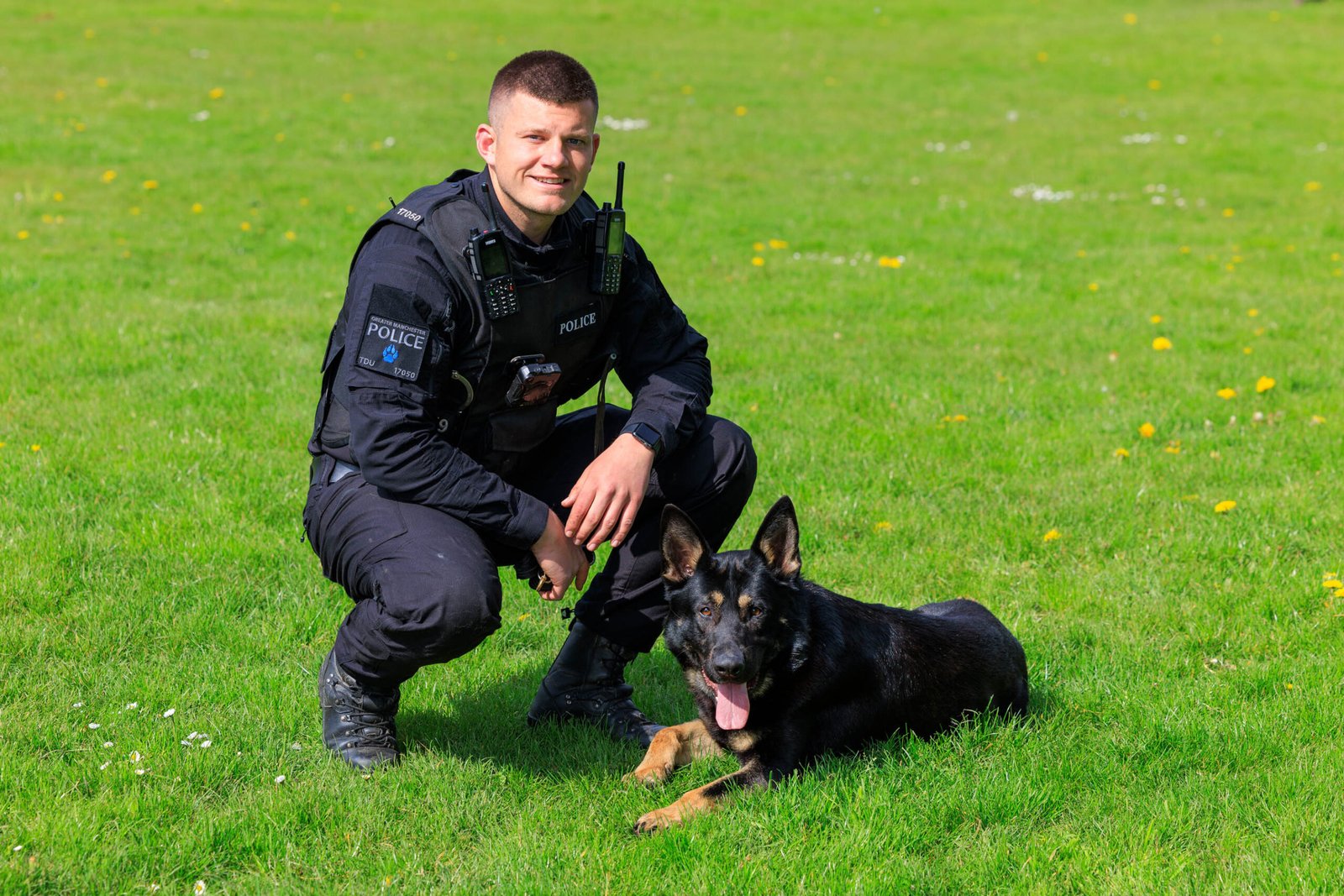
Introduction to K9 Security Services
K9 security services represent a unique integration of trained canine units with professional security personnel, designed to enhance safety across various sectors. The utilization of specially trained dogs in security operations has gained considerable traction in the UK, driven primarily by their enhanced abilities to detect threats and their commanding presence. K9 units are often deployed alongside security guards in settings such as airports, corporate environments, public events, and residential areas, reflecting their versatility and effectiveness in a multitude of situations.
These highly trained dogs bring various advantages to security operations, including the ability to detect narcotics, explosives, and even track individuals in pursuit scenarios. Furthermore, their keen senses surpass human capabilities in many instances, providing an added layer of security that is difficult to replicate. The sight of a working dog alongside a security officer can also serve as a powerful deterrent against potential criminal behavior, as the combination of human vigilance and canine instinct fosters a more comprehensive security approach.
Over recent years, the popularity of K9 security services has surged, particularly in response to growing concerns over safety and security. Organizations and individuals alike are increasingly recognizing the value of incorporating K9 units into their security protocols. With advancements in training techniques and a greater emphasis on the welfare of the dogs involved, this form of security services is becoming an integral part of many security strategies in the UK. Companies are keen to harness the reliability and efficiency offered by K9 teams, leading to an expanding demand for their services in both private and public sectors. Overall, K9 security services play a vital role in enhancing safety measures across various domains, underscoring the importance of this innovative security solution in today’s world.
Benefits of K9 Security
K9 security services have become a fundamental asset in ensuring safety and security in various environments, such as public events, corporate premises, and private properties. One of the primary advantages of utilizing K9 units is their remarkable efficiency in detecting potential threats. Dogs possess an innate ability to detect substances such as explosives and narcotics, which can significantly enhance security measures. Their keen sense of smell allows them to locate these threats at distances that are far beyond human capabilities.
Additionally, K9s serve a crucial psychological deterrent role. The mere presence of a trained security dog can dissuade potential criminals and intruders, reducing the likelihood of an incident occurring. This psychological impact is especially evident in crowded settings, where the visibility of K9 units can provide an enhanced sense of safety to the public, leading to a more secure environment overall.
Moreover, K9 security services excel in crowd control, a vital function in high-traffic areas during events or gatherings. The presence of K9s can help maintain order and manage large groups of people effectively. Security dogs can be trained to respond to commands that aid in deterring disruptive behavior, facilitating smoother operations during events.
In terms of personal protection, K9 units are invaluable. They can escort individuals in vulnerable situations and help ensure their safety while facing potential threats. These dogs can quickly assess situations, providing immediate support and response in emergencies. Ultimately, the adoption of K9 security enhances overall security protocols, making them an integral addition to professional security services across the UK.
Types of K9 Security Units
K9 security units play a vital role in enhancing safety and security within various environments. These specialized canine units can be categorized into several types, each designed to fulfill specific functions and requirements that align with the overall mission of security services.
One of the most common types of K9 units is the patrol dog. Patrol dogs serve multiple purposes, including general law enforcement duties such as crowd control and suspect apprehension. These dogs are trained to work alongside their handlers in a variety of situations, maintaining a visible and deterrent presence. The training for patrol dogs encompasses basic obedience as well as advanced techniques for tactical engagement, ensuring they can support their human counterparts effectively in live scenarios.
Another essential category is detection dogs, renowned for their remarkable ability to identify specific substances. These dogs are often trained to detect drugs, explosives, or even biological threats. Their keen sense of smell allows them to perform searches in various environments—from large public venues to transport hubs. Training for detection dogs is specialized, focusing heavily on scent discrimination and positive reinforcement to ensure reliability in critical situations.
Lastly, specialized tactical K9 units integrate advanced training and techniques tailored for high-risk operations. These units may be deployed in scenarios such as hostage rescues or counter-terrorism efforts. The canines in these teams are not only trained in aggression and control but also possess skills relevant to complex operations. The handlers typically undergo rigorous training to develop and manage the tactical effectiveness of their K9 partners, facilitating the successful execution of missions under high-pressure conditions.
In conclusion, the variety of K9 security units available today underscores the versatility and effectiveness of canine contributions to security services in the UK. Understanding the different roles of patrol, detection, and tactical units is critical for ensuring appropriate deployment and the successful mitigation of security threats.
K9 Security in Different Sectors
K9 security services have found extensive applications across various sectors in the UK, demonstrating their versatility and effectiveness in enhancing safety and security measures. One of the primary sectors is corporate security, where businesses are increasingly incorporating trained K9 units to deter crime and ensure a safe workplace. The presence of security dogs can act as a strong visual deterrent against theft and vandalism, while their heightened senses allow them to detect suspicious activities or personnel that human security staff may overlook.
Public events also significantly benefit from K9 security services. Festivals, concerts, and sports events often draw large crowds, heightening the risk of potential security breaches. Deploying K9 units at these gatherings not only enhances crowd control but also increases the general sense of safety among attendees. Trained dogs are capable of rapid assessments, sniffing out explosives or illegal substances, thus preventing dangerous situations before they escalate.
Transportation security is another vital area where K9 units excel. Airports, train stations, and public transit systems employ K9 dogs to inspect luggage and detect contraband, promoting enhanced passenger safety. In this sector, K9 teams contribute significantly to maintaining secure environments amid constant passenger movement and potential security threats.
Furthermore, residential security has seen a growing reliance on K9 units as part of home protection strategies. With an increasing number of homeowners opting for dog security services, canines play a dual role as companions and guardians. Their keen instincts and protective nature provide residents peace of mind, particularly in high-risk areas.
In summary, K9 security services are increasingly recognized across multiple sectors in the UK. Whether in corporate environments, public events, transportation hubs, or residential areas, K9 units enhance security protocols and contribute to a safer atmosphere for all individuals involved.
Training and Certification of K9 Teams
The training of K9 teams in the UK is a systematic and extensive process, designed to ensure that both the dogs and their human handlers are capable of performing their duties effectively. It encompasses a variety of elements, including obedience training, scent detection, and real-life scenario simulations. The initial phase is focused on building a strong foundation of basic obedience. This is essential for fostering discipline and responsiveness in dogs, allowing them to listen and react promptly to their handlers’ commands in different environments.
One of the core aspects of K9 training is scent detection. Dogs possess an acute sense of smell, which can be harnessed for numerous applications such as drug detection, explosives detection, and search and rescue missions. Training in this area involves exposing the dogs to specific scents, using positive reinforcement techniques to ensure that they associate these odors with rewards. This phase often includes repetitive exercises and mock scenarios to embed the scent recognition skills in real-time contexts.
Furthermore, real-life scenario training is crucial for preparing K9 teams for their operational duties. This involves simulating various situations that the teams may face, including crowd control, building searches, or tracking fleeing suspects. The combination of structured exercise and targeted drills ensures that canines learn to function in high-pressure situations, maintaining their composure and effectiveness in the presence of distractions.
In the UK, K9 teams must meet stringent certification standards. These standards are established by organizations such as the National Association of Security Dog Users (NASDU) and various local law enforcement agencies. The certification process includes comprehensive assessments of both the dog’s abilities and the handler’s skills. Successful completion is imperative, as it not only verifies the readiness of the K9 teams but also ensures that they adhere to established safety protocols and operational guidelines, thereby enhancing the overall efficacy of security operations.
Legal Considerations and Regulations
The utilization of K9 security in the United Kingdom is governed by a framework of laws and regulations designed to ensure the responsible and ethical use of dogs for protective purposes. Understanding these legalities is crucial for organizations employing K9 units as part of their security operations.
One of the primary legal considerations involves the Animal Welfare Act 2006, which mandates that all dogs must be treated with respect and care. This Act provides a foundation for the humane treatment of all animals, including those used in security work. Security personnel must ensure that their K9 partners are adequately trained, socialized, and cared for, thereby preventing any potential distress or harm to the animals.
Additionally, the Control of Dogs Order 1992 highlights the need for dogs to be kept on a lead in public places to minimize the risk of incidents involving the general public. Security companies must comply with these regulations to avoid legal repercussions and maintain public safety. There are also specific guidelines regarding the dogs’ behavior; they must be of sound temperament to prevent aggressive incidents that could result in liability issues for the handler or their employing organization.
Liability for dog attacks or incidents can become a complex issue in the context of K9 security. In situations where a dog causes harm, the owner or handler could be held responsible under common law. This underscores the importance of proper training and adherence to safety protocols, as failure to do so not only poses risks to individuals but may also lead to reputational and financial damages for the organization involved.
In light of these legal frameworks, businesses incorporating K9 security services must ensure compliance with all applicable legislation to safeguard their operations, as well as the welfare of both their dogs and the public.
Challenges Faced by K9 Security Services
K9 security services play a vital role in enhancing safety and security across various sectors in the UK. However, these dedicated teams encounter several challenges that can affect their efficacy and public perception. One of the most prominent issues is public perception itself. The presence of dogs in security roles can elicit mixed reactions from the community. While many recognize the benefits that trained K9s bring in terms of deterrence and detection, some individuals may feel uneasy or fearful around dogs. This apprehension can hinder the cooperation between security teams and the public, ultimately impacting the overall effectiveness of the K9 unit.
Another significant challenge revolves around cost implications. Implementing a K9 security program requires substantial financial investment. This includes expenses related to acquiring suitable working dogs, specialized training, equipment, and ongoing healthcare for the animals. These costs can be daunting, especially for smaller organizations or companies aimed at maintaining a secure environment. Moreover, these investments need to be justified to stakeholders, further complicating the management of K9 units.
Lastly, the necessity for constant training and upkeep poses yet another hurdle. K9 security teams must regularly engage in rigorous training to maintain the skills and suitability of the dogs for their assigned tasks. This ongoing educational demand necessitates a well-structured training program, involving trainers who are adept in animal behavior and security protocols. Furthermore, the physical condition of the dogs must be monitored and maintained, requiring routine veterinary visits. Failing to provide adequate training and care can result in diminished performance, which can ultimately compromise security efforts.
Future Trends in K9 Security
The landscape of K9 security is poised for significant evolution in the coming years, driven by advances in training methodologies, technological integrations, and a burgeoning demand across various sectors. With the growing emphasis on security in urban environments and public spaces, organizations are increasingly recognizing the multifaceted capabilities that K9 units offer. As a result, the future of K9 security in the UK is likely to witness transformative upgrades.
One of the pivotal trends in K9 security will be the refinement of training techniques. Traditional methods may see an innovative overhaul, leveraging behavioral science to foster more effective communication between handlers and dogs. Enhanced training protocols tailored to specific environments or threats can improve canine performance, allowing for faster and more efficient responses to security breaches. This shift emphasizes not only obedience but also adaptability, enabling K9 units to perform optimally in varied scenarios.
Moreover, the integration of technology into K9 operations will play a crucial role in the future of security services. The use of wearable technology for dogs, such as GPS tracking and health monitoring devices, can provide real-time data, ensuring that handlers are fully informed about their canine partners’ physical condition and location. Additionally, advancements in artificial intelligence could assist in analyzing canine behavior, predicting potential security risks, and improving overall operational efficiency.
As we look to the future, the demand for K9 security services is expected to rise across different industries, from private security firms to large-scale events and even in corporate environments. Sectors that require rigorous security protocols, such as airports and shopping centers, will likely increase their reliance on specially trained K9 units. This growing trend reflects a broader understanding of the protective capabilities K9 teams embody, affirming their integral role in the overarching framework of security services in the UK.
Conclusion: The Role of K9 Security in Overall Safety
In considering the evolving landscape of safety and security in the UK, it is evident that K9 security services play a pivotal role. The integration of trained canines into guard services has proved to be an invaluable asset in ensuring the protection of both people and property. K9 units exhibit remarkable capabilities in detection, deterrence, and assistance, which significantly enhances the effectiveness of traditional security measures.
Throughout this discussion, we have examined how K9 security teams contribute to various environments, from commercial properties to private events. Their acute sense of smell and heightened instincts empower them to detect threats that may go unnoticed by human security personnel. This capability not only assists in identifying potential dangers but also provides a psychological deterrent to would-be criminals, thereby enhancing the overall security posture of an establishment.
Moreover, it is important to understand the multifaceted training that these canine units undergo. From tracking and search operations to recognizing specific scents associated with drugs or explosives, K9s are meticulously trained to adapt to diverse scenarios. This specialization allows them to work in synergy with human security teams, resulting in a comprehensive security approach that covers various potential security threats.
In conclusion, the critical role of K9 security services cannot be overstated. Their contributions toward increasing safety, securing environments, and fostering a sense of security among individuals are undeniable. As threats continue to evolve in sophistication, the importance of integrating K9 units within UK guard services will only grow, solidifying their standing as essential elements in the broader security framework.

