Understanding K9 Security Services
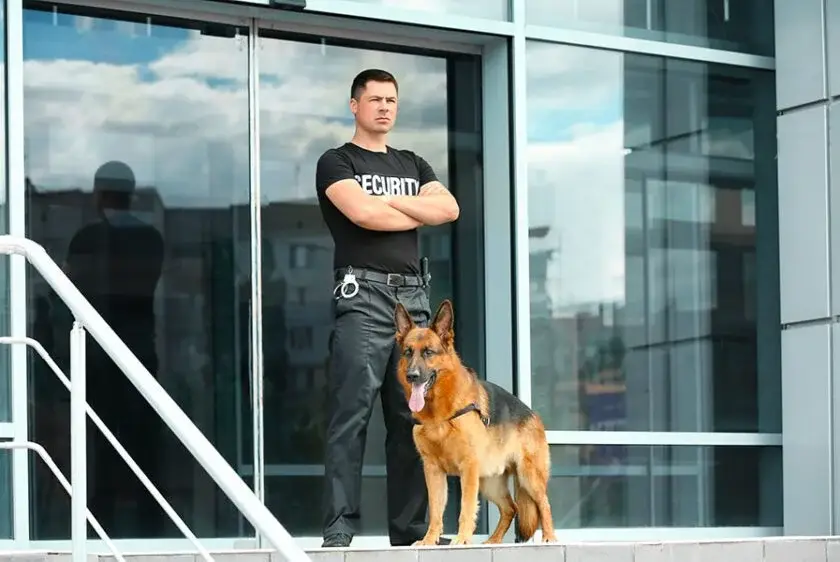
K9 security services encompass a specialized branch of security that utilizes trained canines to enhance protective measures. These services serve a multitude of roles in various environments, providing both deterrent and operational support to security personnel. K9 units are pivotal in maintaining safety and ensuring swift response in high-risk situations.
The primary functions of K9 security services include detection, apprehension, and patrol. Canines are often trained to detect substances such as drugs, explosives, or even human scent, making them invaluable in airport security and large event venues. Detection dogs exhibit a remarkable ability to identify specific scents, which enhances the efficiency and effectiveness of traditional security protocols.
Moreover, attack dogs are trained to intervene in situations that may escalate into violence. They operate under the command of their handlers to provide a strong visual and physical deterrent, often utilized in crowd control or during the apprehension of suspects. The mere presence of an attack dog can significantly alter the behavior of aggressive individuals, ensuring a safer environment for both the public and security personnel.
Patrol dogs, on the other hand, are deployed for monitoring and securing large areas, which can include public parks, commercial properties, or residential neighborhoods. Their keen sense of hearing and smell allows them to detect potential security threats before they materialize, contributing to a proactive approach to security management.
In essence, K9 security services represent a multifaceted approach to public safety, integrating canine units into established security frameworks. The utilization of detection, attack, and patrol dogs enhances operational capabilities and ensures a comprehensive response to various security challenges, contributing to an overall safer environment.
Subscribe to CHARLES GROUP SECURITY LTD!
Get updates on the latest posts and more from CHARLES GROUP SECURITY LTD straight to your inbox.I agree to my personal data being used for interest-based advertising as outlined in the Privacy Notice and the Ad Partner page.Subscribe
The Role of K9s in Security Operations
K9s play a pivotal role in modern security operations across various sectors in the UK. Their unique capabilities enhance the efficiency of security personnel, allowing for a more robust response to threats. The effectiveness of these working dogs lies not only in their keen sense of smell but also in their unwavering loyalty and extensive training.
One of the primary functions of K9s in security operations is their ability to detect illicit substances, such as drugs. The physiological structure of a dog’s nose allows them to identify minute traces of odors, making them invaluable in law enforcement. When deployed in situations like traffic stops or airport screenings, K9 units can efficiently locate drugs, thereby aiding in the prevention of drug trafficking and enhancing public safety.
In addition to narcotics detection, K9s are extensively employed in searching for explosives. In high-risk environments, such as airports, stadiums, and public events, the presence of a bomb detection dog significantly increases security measures. These canines are specifically trained to recognize the scent of various explosive materials, which enables them to alert handlers to potential threats swiftly. Their contributions not only improve detection rates but also enhance the overall security of gatherings and venues.
Moreover, K9s also play an essential role in search and rescue operations. When individuals go missing, whether in urban or rural settings, specially trained search dogs can effectively cover large areas quickly, often locating missing persons faster than human teams alone. Their capacity to detect human scents from considerable distances makes them indispensable in emergency situations.
In summary, K9s serve multiple critical functions in security operations within the UK, from detecting drugs and explosives to assisting in search and rescue missions. Their incorporation into security protocols not only enhances operational efficiency but also contributes positively to community safety.
Benefits of Using K9 Security Services
K9 security services provide a myriad of benefits that significantly enhance overall safety in various environments, such as commercial properties, events, and public spaces. One of the most prominent advantages is the heightened security presence that these units offer. The mere sight of a trained security dog accompanied by its handler can serve as a visual deterrent, discouraging potential criminal activity. This proactive approach not only reduces the chances of incidents occurring but also instills a sense of safety and reassurance among employees, visitors, and the community at large.
Moreover, K9 units contribute to improved response times during emergencies. These highly trained dogs possess an acute sense of smell and exceptional instincts, allowing them to detect threats that may be imperceptible to humans. In situations such as search and rescue, crowd control, or active shooter scenarios, the ability of K9 teams to swiftly identify and locate individuals or potential dangers can be critical. Their efficiency in navigating challenging environments also plays a vital role in ensuring safety during emergencies.
Another significant benefit of K9 security services is their versatility. Trained security dogs can specialize in various areas, including narcotics detection, explosives detection, and patrol duties, making them an invaluable asset in numerous operational contexts. Additionally, the integration of K9 units into existing security frameworks can enhance the effectiveness of human security personnel, enabling them to focus on other crucial tasks while the dogs manage specific security challenges.
In summary, the incorporation of K9 security services leads to heightened security presence, an effective deterrent against crime, and improved emergency response capabilities, collectively fostering a safer and more secure environment for all stakeholders involved.
How K9 Units Are Trained
The training of K9 units is a comprehensive process that focuses on the development of both the dogs and their handlers. This training is critical to ensure that the canine officers are capable of performing their duties effectively. Typically, the training for K9 units begins with basic obedience training at a young age. This foundational phase can last anywhere from several weeks to a few months. During this time, dogs are taught commands such as sit, stay, and heel. They also learn to be socialized with diverse environments and situations to build their confidence.
Once dogs are well-versed in basic commands, they undergo specialized training according to their role, such as detection or protection. For instance, narcotics detection dogs are trained using scent association techniques, while patrol dogs learn skills related to apprehending suspects or crowd control. The specialized training phase may extend from several months to a year, depending on the specific duties and the learning pace of the canine. Handlers play a vital role during this period, as they are responsible for reinforcing commands and helping the dog to associate specific behaviors with positive outcomes.
Moreover, ongoing training is essential for K9 units to maintain their skills. Regular training sessions and refreshers ensure that both the dog and handler remain proficient in their roles, adapting to new challenges and scenarios that may arise. These sessions allow the team to practice their techniques and strengthen their bond, enhancing their overall effectiveness in the field. Additionally, the implementation of advanced training modules helps K9 units keep pace with evolving security threats.
Different Types of K9 Breeds Used in Security
K9 security services rely on the innate abilities of various dog breeds, each selected for specific characteristics that make them effective in security operations. Among the most commonly used breeds is the German Shepherd, renowned for its intelligence, versatility, and loyalty. This breed is often employed in various roles, including patrol, detection, and search-and-rescue operations. Their keen sense of smell and exceptional trainability make them indispensable assets in K9 security.
Subscribe to CHARLES GROUP SECURITY LTD!
Get updates on the latest posts and more from CHARLES GROUP SECURITY LTD straight to your inbox.I agree to my personal data being used for interest-based advertising as outlined in the Privacy Notice and the Ad Partner page.Subscribe
Another popular breed in the realm of K9 security is the Belgian Malinois. Like the German Shepherd, the Belgian Malinois is intelligent and agile, excelling in tasks requiring obedience and stamina. These dogs are particularly favored in law enforcement and military applications due to their ability to work effectively under pressure. Their strong work ethic and ability to quickly learn complex commands contribute to their reputation as elite K9s.
Rottweilers are also a noteworthy breed used in K9 security. Known for their physical strength and protective nature, Rottweilers are often employed as guard dogs. Their intimidating presence serves as a powerful deterrent against potential threats. Although their loyalty and protective instincts are significant strengths, it is essential to implement proper training to ensure their temperament remains balanced.
Additionally, breeds such as the Doberman Pinscher and the Bloodhound also contribute to K9 security efforts. Dobermans are recognized for their loyalty and ability to detect intruders, while Bloodhounds are exceptional trackers with an unmatched sense of smell.
Ultimately, the selection of K9 breeds in security services is vital, as each dog brings unique attributes that enhance the effectiveness of security operations. Whether for detection, patrol, or deterrence, the right breed can significantly improve safety and security in various environments.
Legal and Ethical Considerations in K9 Security
The utilization of K9 security services in the UK is governed by a variety of legal regulations and ethical standards, reflecting both the responsibilities of handlers and the treatment of the animals themselves. The legal framework encompasses numerous legislative acts, including the Animal Welfare Act 2006, which mandates the humane treatment of all animals. This law specifically outlines the responsibilities of K9 handlers in providing adequate care, training, and living conditions for working dogs.
Moreover, there are regulations regarding the deployment of K9 units, particularly in public spaces or during law enforcement activities. These regulations ensure that dogs are used appropriately, taking into account the potential risks to the public and the animals. For instance, the Dogs Act 1991 addresses issues related to dangerous dogs, reinforcing the need for proper training and control to minimize harm.
In terms of ethical considerations, the welfare of K9s employed in security roles is paramount. Society’s perception of these dogs hinges on their treatment by handlers; thus, ethical training practices and humane handling are crucial. The public increasingly values the rights and welfare of working animals, which informs how K9 security services are viewed in society. Organizations involved in K9 security must cultivate transparency, ensuring that their methods align with the broader expectations for animal welfare.
Furthermore, handlers must be educated on the psychological and emotional needs of working dogs to prevent stress and anxiety. Adhering to ethical standards not only safeguards the well-being of the animals but also enhances public trust in K9 units. By actively promoting these legal and ethical considerations, K9 security services can operate within a framework that prioritizes both effectiveness and humane treatment. This dual dedication is essential for the harmonious coexistence of K9 teams and the communities they serve.
Case Studies of K9 Security Successes
K9 security services have proven to be an invaluable asset across various sectors in the UK, demonstrated through several impactful case studies. One notable instance occurred at a large music festival, where K9 units were employed to enhance crowd safety and deter potential threats. The presence of trained dogs not only ensured a sense of security but also led to the early detection of prohibited substances. As a result, over a dozen illegal items were confiscated, highlighting the effectiveness of using canine skills for security interventions in public gatherings.
Subscribe to CHARLES GROUP SECURITY LTD!
Get updates on the latest posts and more from CHARLES GROUP SECURITY LTD straight to your inbox.I agree to my personal data being used for interest-based advertising as outlined in the Privacy Notice and the Ad Partner page.Subscribe
Another significant case took place at a major retail outlet in London, which had been experiencing a rise in theft and disruptive behavior. By integrating K9 security into their loss prevention strategy, the store saw a dramatic decrease in shoplifting incidents, reported at approximately 40% within the first month of implementation. Clearly visible, the canine units acted as both a deterrent to criminal activity and a reassurance to customers, enhancing the overall shopping experience.
Additionally, a financial institution in Birmingham utilized K9 security services during a high-stakes corporate event attended by industry leaders and government officials. The deployment of highly trained dogs ensured comprehensive security checks, which contributed to a successful event without any security breaches. The feedback from attendees emphasized the increased confidence in security measures, underscoring the importance of K9 security in safeguarding high-profile gatherings.
These case studies illustrate the diverse applications and efficacy of K9 security services across various environments. From preventing crime in retail settings to ensuring safety at events, the integration of skilled canine units has proven to be a transformative approach to security management in the UK.
Challenges Faced by K9 Security Teams
K9 security teams play a pivotal role in enhancing safety and security across various environments. However, they face several challenges that can influence their effectiveness. One significant hurdle involves the handler-dog relationship. The bond between a K9 officer and its handler is crucial for optimal performance. A lack of trust or inconsistent training can hinder the dog’s responsiveness and agility during critical situations. Building and maintaining this relationship requires time and dedicated training from both the handler and the dog.
Environmental factors also pose considerable challenges to K9 teams. Working in diverse settings, such as crowded urban locations, open spaces, or hostile environments, can affect a dog’s performance. An optimal working environment is essential for the K9’s alertness and ability to remain focused on their tasks. Loud noises, unfamiliar scents, or chaotic situations can easily distract a dog, undermining their effectiveness in security operations.
Public interaction further complicates the operational capacity of K9 security teams. The presence of bystanders can be unpredictable, creating scenarios where the dog may experience anxiety or aggression. Handlers must manage these interactions carefully to ensure both public safety and the welfare of the dog. This task requires considerable skill and experience to navigate the complexities of human-dog dynamics in a public setting.
Moreover, task-specific limitations can arise depending on the nature of the assignment. Different tasks require different skills; for example, detection work may require distinct traits compared to apprehension. Each K9’s abilities will differ based on breed, training, and personal characteristics, thus necessitating tailored approaches for various scenarios. Recognizing and addressing these challenges is essential for maximizing the potential of K9 security teams, ensuring their success in safeguarding communities.
The Future of K9 Security Services in the UK
The future of K9 security services in the UK is poised for significant evolution, driven by advancements in training technologies, an increase in security threats, and a need for innovative applications in public safety. As the landscape of security risks continues to change, the role of K9 units expands, establishing a critical presence in both public and private sectors.
Emerging training technologies are enhancing the capabilities of K9 units. With the integration of virtual reality and gamified training modules, handlers can simulate various scenarios, improving responsiveness and effectiveness in handling real-life situations. The use of data analytics is another innovative trend that allows trainers to track a dog’s performance and behavioral patterns over time. This data-driven approach not only enhances training methods but also ensures that K9 teams are effectively prepared for the intricate challenges they may face in real-world scenarios.
Subscribe to CHARLES GROUP SECURITY LTD!
Get updates on the latest posts and more from CHARLES GROUP SECURITY LTD straight to your inbox.I agree to my personal data being used for interest-based advertising as outlined in the Privacy Notice and the Ad Partner page.Subscribe
Moreover, the nature of threats is evolving, requiring K9 security services to adapt accordingly. The rise in terrorism, organized crime, and cyber-enabled threats calls for versatile K9 units that can perform multi-faceted roles, from detecting explosives to supporting law enforcement in crowd control during public events. In this context, deploying K9 units in various environments, such as airports, stadiums, and urban settings, becomes essential. The public’s confidence in K9 services as a deterrent and responsive unit reinforces their necessity.
Furthermore, the future of K9 security services also holds opportunities for collaboration between private firms and public enforcement agencies. By leveraging the expertise of K9 trainers and handlers, private organizations can enhance security protocols and contribute to community safety. As these roles evolve, there is potential for K9 units to engage in community outreach programs, fostering a deeper understanding of their capabilities and building trust within the communities they serve.