
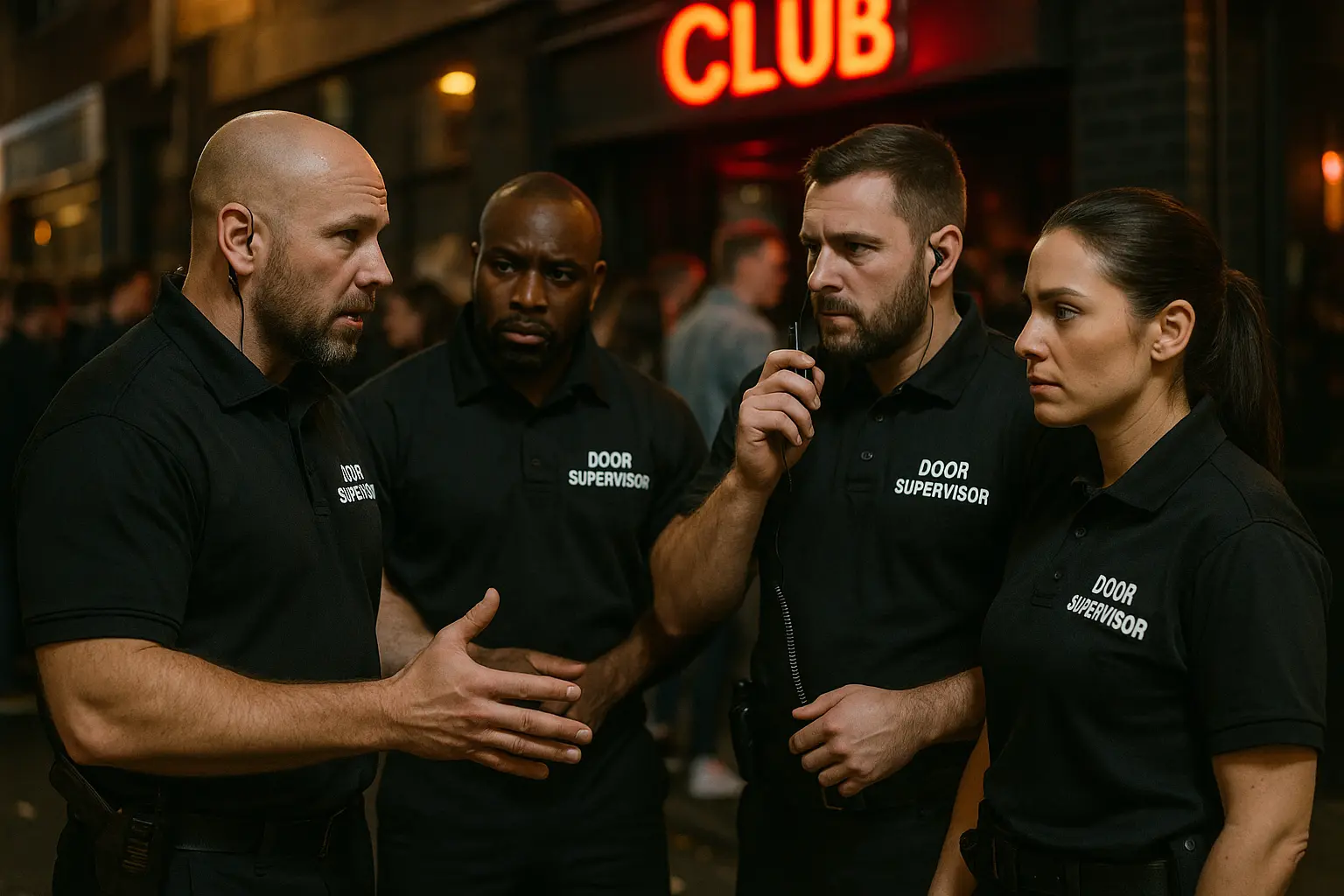
Introduction to Security Guard Services in Nightclubs
In today’s dynamic entertainment landscape, the nightclub industry is a critical component of social engagement, particularly in the UK. However, with the vibrant energy of nightlife come unique challenges related to safety and security. Nightclubs often serve large crowds, where the potential for conflicts, disturbances, or other incidents escalates, necessitating robust security guard services. These services are pivotal in creating and maintaining a safe environment for patrons and staff alike.
Security guard services in nightclubs comprise a multifaceted approach to handling various scenarios that may arise during operating hours. Trained security personnel are present to monitor behavior, ensure compliance with entrance policies, and manage conflicts when they occur. The presence of professional guards not only deters potential misconduct but also fosters a sense of safety among attendees, encouraging enjoyment and participation in the nightlife experience.
Moreover, nightclub environments are often characterized by high volumes of patrons, loud music, and sometimes, intoxication. Such conditions can lead to instability if not appropriately managed. Security experts are equipped to handle these unique circumstances, providing essential services such as crowd management, identification verification, and crisis intervention. With CCTV surveillance and bouncers strategically positioned, nightclub security guards play a crucial role in maintaining order and responding swiftly to any incidents that could disrupt the patron experience.
Ultimately, the importance of professional security services in nightclubs extends beyond mere presence. It encompasses a commitment to uphold the safety and enjoyment of every individual on the premises. By leveraging trained personnel proficient in emergency response, conflict resolution, and crowd control, nightclubs can ensure a welcoming atmosphere that promotes fun and minimizes risks.
Key Responsibilities of Nightclub Security Guards
In the dynamic environment of nightclubs, security guards play a vital role in ensuring the safety and well-being of patrons and staff alike. Their responsibilities are multifaceted and crucial to maintaining a secure atmosphere. One of the primary roles of nightclub security guards is crowd control. This entails managing the flow of patrons to prevent overcrowding and ensuring that guests can move freely and safely within the venue. They are trained to assess the situation and take appropriate action to maintain order during busy periods.
Another fundamental duty involves monitoring entry and exit points. Security personnel are tasked with verifying the identification of individuals seeking entry to the establishment. This process is essential not only for age verification but also for preventing unwanted disturbances or illegal activities. By diligently checking IDs, security guards help ensure that only authorized individuals are allowed access, thus upholding the club’s standards.
In addition to these responsibilities, maintaining a safe environment is paramount. Security guards are observant and vigilant, continually scanning for any signs of trouble or suspicious behavior. They are trained to identify potential risks, diffuse conflicts before they escalate, and intervene as necessary to protect the welfare of all guests.
Furthermore, security guards at nightclubs are prepared to respond to incidents or emergencies, including fights, medical emergencies, or other unexpected events. Their training equips them with the skills required to manage such situations effectively, often coordinating with local law enforcement or emergency services when needed. Through these key responsibilities, security guards significantly contribute to the overall safety and enjoyment of nightlife in venues across the UK.
Types of Security Personnel for Nightclubs
In the dynamic environment of nightclubs, various types of security personnel play critical roles in ensuring safety and maintaining order. Each type of personnel possesses unique skill sets, training, and responsibilities that are essential for the successful management of nightlife establishments.
Bouncers, often the most recognized members of nightclub security, are trained to handle crowd control, manage disruptive behavior, and enforce the establishment’s entry policies. They are typically stationed at the entrance to screen guests for identification and potential security threats. Bouncers undergo rigorous training that often includes conflict resolution, physical fitness, and self-defense techniques. Their ability to assess situations rapidly allows them to de-escalate conflicts before they intensify.
Floor managers, another crucial component of nightclub security, supervise and coordinate the activities of security staff within the venue. They maintain an overview of the club’s environment, ensuring that safety protocols are being followed. This role requires excellent communication skills, as floor managers liaise with both security personnel and club management. They are trained in emergency procedures, including evacuation protocols, which are vital for ensuring guest safety during unforeseen incidents.
Specialized security teams are also employed in larger or high-profile nightclubs. These teams often consist of individuals with advanced training in specific areas such as surveillance, detailing, or emergency medical response. Specialized security personnel can monitor crowd behavior through CCTV and maintain a visible presence to deter potential disturbances. They receive training in risk assessment and threat identification, ensuring that they can swiftly respond to any incidents that may arise.
In summary, the diverse range of security personnel, including bouncers, floor managers, and specialized teams, is essential in addressing the unique needs of nightclub environments. Their comprehensive training and skill sets contribute significantly to creating a safe and enjoyable atmosphere for patrons.
Training and Certification of Security Guards
The effectiveness of security guard services in nightclubs is highly dependent on the training and certification processes these professionals undergo prior to employment. In the UK, the security industry is governed by specific regulations that require security personnel, especially those working in high-risk environments such as nightclubs, to have appropriate qualifications. The primary requirement for most security guards is obtaining a license from the Security Industry Authority (SIA), which is mandated for anyone working in the private security sector.
The training for security guards typically includes several essential components. First and foremost, guards must complete a recognized training course, which generally covers key areas such as conflict resolution techniques, health and safety regulations, and crowd management strategies. These competencies are critical, particularly in nightclub settings where environments can become volatile, and guards must employ effective strategies to mitigate disputes before they escalate.
In addition to conflict resolution, first aid training is another vital component of security guard preparation. Understanding how to manage medical emergencies and provide basic first aid can not only save lives but also create an overall safer atmosphere for patrons and staff alike. Furthermore, this training helps security personnel respond competently to various situations that may arise, ensuring that they are well-equipped to handle medical emergencies calmly and effectively.
Knowledge of legal regulations surrounding venue operations and the rights of patrons is also instrumental in the job. This includes understanding the law on preventing disorder, dealing with intoxicated individuals, and maintaining safe environments. Comprehensive training ensures that security guards are not only capable of enforcing rules but are also aware of the legal ramifications of their actions, thus fostering a more secure nightclub environment.
In conclusion, the rigorous training and certification processes for security guards in nightclubs are not merely formalities but foundational aspects of their roles that directly impact safety and security. Ensuring that guards are well-trained in conflict resolution, first aid, and legal regulations significantly enhances their ability to maintain a safe and enjoyable environment in UK nightclubs.
The Role of Technology in Enhancing Security
In the dynamic environment of nightclubs, where large crowds and high energy can lead to volatile situations, the role of technology is pivotal in enhancing security measures. Surveillance systems have become a cornerstone for maintaining safety inside nightclubs. Advanced CCTV cameras equipped with high-definition capabilities allow security personnel to monitor activities in real-time, helping to identify and respond to potential threats swiftly. These systems often utilize facial recognition and motion detection technologies, which add layers of security and provide valuable information to security teams.
Alarm systems also play a crucial role in nightclub security, providing instant alerts in emergencies. Panic buttons located at strategic points can notify patrols or local law enforcement in case of a serious incident, ensuring a rapid response. Integrating alarm systems with automatic notifications can significantly escalate the response time and effectiveness of security efforts, crucial in a nightclub environment where every second counts.
Moreover, communication devices such as two-way radios and mobile applications enhance coordination among security staff. These tools facilitate seamless communication, enabling guards to effectively share information about suspicious behavior or incidents as they arise. The integration of mobile communication applications enables a real-time information flow, allowing for a more agile response to issues that may arise during the night.
Furthermore, using technology not only aids security guards in their duties but also serves as a visible deterrent to potential troublemakers. When patrons are aware that a nightclub is equipped with state-of-the-art security systems, they may think twice before engaging in disruptive behavior. This combination of surveillance, alarm systems, and communication devices culminates in a robust security framework that enhances overall safety within the nightclub environment, contributing to a more enjoyable experience for all attendees.
Legal Considerations for Nightclub Security
The role of security personnel within nightclubs encompasses significant legal responsibilities and liabilities. Security guards must navigate various laws and regulations in the UK while ensuring the safety of patrons. A paramount aspect of their responsibilities pertains to the use of force, which must be justified, proportionate, and necessary. Guards are trained to handle situations with restraint, but they must also be prepared to act decisively to prevent harm to individuals or property.
Under UK law, security personnel are expected to comply with the principles outlined in the Criminal Law Act 1967 and the common law regarding self-defense. This means that the use of force can only be employed when absolutely required and should always be the minimum necessary to control a situation. Furthermore, security staff should be well-versed in the policies of the nightclub to understand when intervention is appropriate. Educating security teams on these legal frameworks not only assists in protecting the club’s reputation but also mitigates the risk of legal repercussions.
Another critical legal consideration is the duty of care owed by security personnel to nightclub patrons. This duty obliges guards to take reasonable steps to prevent foreseeable harm, which may include identifying potential risks and managing them proactively. The Equalities Act 2010 also underscores the importance of fairness and non-discrimination in the treatment of patrons, necessitating that security staff act without bias regardless of an individual’s background.
In light of these legal responsibilities, nightclubs must ensure that their security personnel receive comprehensive training related to their legal duties. Proper training equips security guards to handle situations effectively while aligning their actions with legal expectations. This proactive approach reduces the likelihood of conflicts escalating into violence, simultaneously serving to protect both the patrons and the establishment itself.
Challenges Faced by Nightclub Security Teams
Nightclubs often serve as vibrant social hubs, but they can also present numerous challenges for security teams tasked with maintaining order. One of the most prevalent issues faced by security personnel is managing intoxicated patrons. The effects of alcohol can lead to altered behaviors, which may escalate into confrontations or disorderly conduct. Security teams must be trained to recognize the signs of intoxication and develop de-escalation strategies that avoid confrontation while ensuring guest safety.
Another significant challenge encountered by nightclub security is managing crowd dynamics. Popular venues can attract large numbers, making it essential for security to control entry and egress points while monitoring the overall environment. Overcrowding can lead to increased tensions among patrons, potentially resulting in fights or stampedes. Effective crowd management strategies include employing well-trained staff who can assess and manage crowd behavior, as well as utilizing surveillance technology to monitor critical areas.
Additionally, emergency situations pose substantial risks in nightlife settings. Incidents such as fights breaking out, medical emergencies, or fire alarms can demand prompt and decisive action from security teams. It is vital that security personnel are adequately trained in emergency response protocols. Regular drills and training sessions can ensure that all staff members are prepared to execute their roles effectively when the unexpected occurs.
To overcome these challenges, nightclub security teams must remain vigilant and adaptable. Fostering clear communication and teamwork among staff can significantly enhance their ability to respond to various situations. Establishing a proactive approach, such as implementing a code of conduct for patrons, can preemptively mitigate issues and promote a safer atmosphere. Overall, well-trained security teams are integral to the effective operation of nightclubs, ensuring a positive experience for all guests while maintaining safety and order.
Best Practices for Effective Nightclub Security
Maintaining a safe environment in nightclubs requires the integration of various best practices in security management. A pivotal aspect of achieving effective nightclub security lies in the hiring process. Establishing clear criteria for selecting security personnel is essential; candidates should possess not only relevant experience but also strong interpersonal skills. Training programs that focus on conflict resolution, de-escalation techniques, and communication can significantly enhance the effectiveness of security staff.
Once a qualified team is assembled, management should prioritize team cohesion and morale. Regular meetings and briefings among security personnel can foster communication, ensuring that everyone understands their roles and responsibilities. Encouraging a collaborative environment allows guards to support one another during high-pressure situations, ultimately contributing to a more secure atmosphere.
Proactive prevention strategies play a vital role in minimizing potential incidents. Nightclubs can implement several measures, such as employing metal detectors at entry points or utilizing surveillance technology for monitoring. Establishing a visible security presence, both inside and outside the venue, can deter unruly behavior by reassuring patrons that their safety is prioritized. Furthermore, utilizing trained security dogs can enhance detection capabilities for prohibited items.
Building a positive relationship with patrons is crucial in maintaining nightclub security. Staff should be trained to engage with guests in a friendly manner, creating an approachable atmosphere. Encouraging patrons to report suspicious behavior can also enhance overall safety, as a community approach ensures that everyone is vigilant. Hence, establishing an efficient communication system for reporting concerns is imperative.
In conclusion, effective nightclub security hinges on a holistic approach that incorporates meticulous hiring practices, strong team management, proactive prevention measures, and positive patron relationships. Implementing these best practices not only improves safety but also enhances the overall nightclub experience for guests.
Conclusion: The Impact of Professional Security on Nightclub Experience
In the bustling environment of nightclubs across the UK, the presence of professional security services plays a vital role in shaping the overall experience for patrons. These services not only ensure the safety and well-being of guests but also contribute significantly to their satisfaction and enjoyment. When individuals enter a nightclub, the expectation of a safe and secure atmosphere is paramount. Security personnel serve as both visible deterrents to potential disturbances and as immediate responders to any incidents that may arise. Their training equips them with the skills necessary to handle a variety of situations efficiently, thus minimizing risks and ensuring that all attendees can enjoy themselves without undue concern.
Moreover, the effectiveness of security measures directly influences the nightclub’s reputation within the community. A nightclub known for its stringent yet professional security protocols will likely attract more patrons who value safety. This reputation fosters an environment where guests feel empowered to engage with the nightlife, knowing that their safety is prioritized. Additionally, effective crowd management strategies, instituted by trained security professionals, enhance the smooth operation of events while allowing for enjoyable interactions among guests.
Ultimately, the role of security guard services extends beyond mere crowd control; they are fundamental to creating an enjoyable and memorable nightlife experience. Their presence enhances customer loyalty and contributes positively to the establishment’s bottom line through repeat visits and positive word-of-mouth. In summary, the integration of competent security staff not only protects patrons but also solidifies the nightclub’s standing as a reputable venue, reinforcing the significance of professional security services in the nightlife landscape.

