
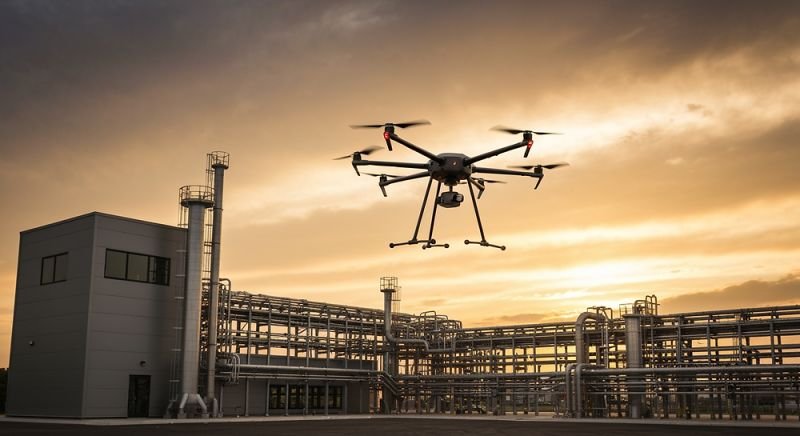
Introduction to Robotics and Autonomous Technology in Security
Robotics and autonomous technology encompass a broad range of applications and devices designed to perform tasks with minimal human intervention. In the security sector, these technologies are revolutionizing the way organizations protect assets, ensure safety, and monitor activities. The significance of robotics in security primarily lies in its ability to enhance operational efficiency and extend surveillance capabilities beyond human limitations.
Robotic systems, which include unmanned aerial vehicles (drones), ground-based robots, and mobile surveillance units, are increasingly utilized in various security contexts. These applications range from routine surveillance to emergency response operations, transforming traditional methodologies. Furthermore, autonomous systems are designed to learn from their environment, adapting their responses to dynamic situations, which dramatically improves their effectiveness in real-time security scenarios.
Globally, there is an escalating reliance on robotics and autonomous technology. Many countries have integrated these methodologies into their security frameworks, reflecting a trend that is quickly gaining pace. For instance, in public safety, autonomous drones are routinely deployed to monitor large crowds during events, providing real-time insights that enhance situational awareness. Additionally, robotic patrols are being used in various settings, such as warehouses and borders, to detect intrusions and respond promptly.
In the context of UK security services, embracing these advanced technologies signifies a proactive approach to combat emerging threats. The evolving landscape of security challenges requires innovative solutions, and the adoption of robotics offers a distinctive advantage. As the UK progresses towards a more modernized security infrastructure, the integration of robotic systems will not only optimize current practices but also lay the groundwork for future advancements in public safety and security operations.
Historical Context of Robotics in UK Security
The integration of robotics within the security sector in the United Kingdom has developed significantly over the decades, influenced by technological advancements and the increasing necessity for enhanced security measures. Early applications of robotic technology in UK security can be traced back to the late 20th century, when the introduction of unmanned aerial vehicles (UAVs) and automated surveillance systems began to emerge.
One of the noteworthy milestones occurred in the early 1990s when the UK government invested in the development of robotic systems designed for bomb disposal. These advanced robotic platforms, capable of remote operation, played a crucial role in counter-terrorism efforts during a period marked by increased threats from various paramilitary groups. The successful deployment of these units not only enhanced operational safety for bomb disposal teams but also demonstrated the potential of robotic technology for real-time threat mitigation.
Throughout the 2000s, as concerns over national security escalated, there was a surge in funding allocated to research and development in robotics. This era marked the introduction of sophisticated automated systems for surveillance and reconnaissance. Innovations in sensor technologies and artificial intelligence allowed for improved data gathering and analysis, helping security personnel to make informed decisions in a timely manner.
In recent years, robotics in the UK security services has seen further evolution with the inclusion of autonomous ground vehicles and smart drones. These systems are designed not only for surveillance but also for patrolling and logistics support, enhancing efficiency in operational settings. The UK security services continue to embrace advancements in robotics, exploring solutions that range from artificial intelligence integrated systems to hybrid technologies that combine both human and robotic efforts for comprehensive security protocols.
Current Applications of Robotics and Autonomous Technology in UK Security
In recent years, UK security services have significantly integrated robotics and autonomous technology to enhance operational efficiency and effectiveness. One prominent application is the use of surveillance drones. These unmanned aerial vehicles (UAVs) are deployed for various purposes, including monitoring large public gatherings, tracking criminal activity, and providing situational awareness during emergencies. With the ability to cover vast areas quickly, surveillance drones enable law enforcement agencies to gather real-time intelligence, which is crucial in addressing security threats.
Moreover, bomb disposal robots have become an essential component of the UK’s counter-terrorism efforts. These specialized robots are designed to safely investigate and neutralize explosives. The advantage of using robotic technology in bomb disposal lies in its capability to reduce risk to human life while ensuring thorough investigation. Equipped with cameras, robotic arms, and specialized tools, these devices allow trained professionals to remotely handle dangerous situations, thereby enhancing the safety of both the security personnel and the public.
Additionally, automated border security systems are witnessing advancements through robotics. Automated vehicles are now used at various entry and exit points, equipped with advanced sensors and artificial intelligence capabilities. These systems streamline the processing of individuals and goods, ensuring quicker and more accurate inspections. They also help in identifying potential threats, facilitating a proactive approach to border security. As technology progresses, the role of robotics within UK security services is expected to expand further, integrating with other systems to create more comprehensive security solutions.
Advantages of Using Robotics in Security Operations
The integration of robotics and autonomous systems into security operations presents numerous advantages that significantly enhance the effectiveness and safety of security measures. One of the most notable benefits is increased efficiency. Robotics can perform repetitive tasks such as monitoring and patrolling with consistent precision, reducing the need for human intervention and allowing security personnel to focus on more complex challenges. This streamlining of workflows not only improves productivity but also ensures that security measures can be deployed more swiftly and effectively.
Another significant advantage is the improved surveillance capabilities offered by robotic technology. Drones and ground robots equipped with high-resolution cameras and advanced sensors can monitor large areas continuously, providing real-time data to security teams. This capability allows for a rapid assessment of potential threats and enhances situational awareness. Furthermore, the ability to operate in environments that may be hazardous for humans, such as disaster zones or areas with high crime rates, underscores the versatility of robotic systems in enhancing safety and security.
Robotics also plays a crucial role in reducing risks to human life. By deploying autonomous systems for tasks that may pose a danger to personnel, organizations can significantly lower the likelihood of injuries during security operations. Whether it’s bomb disposal, crowd control, or monitoring hazardous areas, robots can take on these risky assignments, preserving human lives while maintaining high operational standards.
Additionally, enhanced decision-making is another critical advantage of employing robotics in security operations. Through the use of artificial intelligence, robotic systems can analyze vast amounts of data and provide insights that human operators may overlook. This capability facilitates a more informed approach to threat assessment and resource allocation, ultimately leading to better outcomes and more effective security strategies.
Challenges and Concerns in Implementing Robotics in Security
The adoption of robotics in the security sector presents several challenges and concerns that stakeholders must address. One significant issue is the ethical implications of using autonomous technologies in security operations. As robotics gain decision-making capabilities, questions arise regarding accountability and responsibility. For instance, in scenarios where a robotic system misidentifies a threat, who is held liable? These ethical dilemmas necessitate a robust framework that outlines the responsibilities of developers, users, and policymakers.
Another concern is public perception regarding the use of robotics in security. Many individuals express apprehension over the idea of machines surveilling or interacting with them. This fear often stems from a lack of understanding of how robotic systems operate, leading to distrust. To overcome this hurdle, it is crucial to engage the public through transparent communication and education strategies that elucidate the benefits and limitations of robotic integration in security settings.
Moreover, the technology itself presents limitations that can hinder its effectiveness in security. Current robotics may struggle with complex environments, leading to potential malfunctions or inaccurate assessments. These limitations can compromise security efforts, as decisions made based on flawed data could have serious repercussions. Continuous research and development are vital to improve the reliability and functionality of robotic systems.
Lastly, the rise of robotics in security sectors introduces potential cybersecurity threats. As these technologies become interconnected and reliant on data networks, they become vulnerable to hacking and other cyber-attacks. Safeguarding robotic systems from such threats is paramount in ensuring the integrity and reliability of security operations. Therefore, implementing stringent cybersecurity measures is essential as robotic technologies become more prevalent in the security landscape.
Case Studies of Successful Robotics Implementation in Security
In recent years, the integration of robotics and autonomous technology within security operations has garnered significant attention, with various case studies demonstrating the efficacy of these advancements. One notable example is the implementation of drones in surveillance by several police departments in the United Kingdom. The Greater Manchester Police, in particular, have utilized drones to monitor large crowds during public events. This technology not only enhances situational awareness but also allows for real-time data transmission, improving response times during incidents.
Another significant case study can be seen in the utilization of robotic security guards in commercial properties. For instance, the deployment of Knightscope K5 robots at various shopping malls has proven to deter criminal activity effectively. These autonomous robots patrol designated areas, employing sensors and cameras to monitor their surroundings while providing immediate alerts to human operators when anomalies are detected. As a result, these facilities report a noticeable decrease in theft and vandalism incidents.
Internationally, security services in Singapore have adopted autonomous ground vehicles for perimeter security at high-profile events and sensitive sites. These vehicles can navigate predefined routes while equipped with advanced imaging and detection systems to identify potential threats. This case underscores the potential for autonomous technology to enhance operational effectiveness, reduce manpower costs, and ensure a proactive security posture.
As these case studies illustrate, the implementation of robotics and autonomous technology in security environments not only improves operational efficiency but also fosters a safer environment. However, it is essential to continuously evaluate these technologies to adapt to emerging challenges and integrate lessons learned from various implementations. Ultimately, the advancements in security through robotics herald a transformative shift in how safety and surveillance are managed in the modern world.
Future Trends in Robotics and Autonomous Technology for Security Services
The landscape of security services in the UK is undergoing a significant transformation, driven largely by advancements in robotics and autonomous technology. With emerging trends such as artificial intelligence (AI) and machine learning, security systems are becoming more sophisticated and effective. One of the primary focuses on robotics technology is the integration of AI algorithms, which enable machines to learn from historical data and adapt to new situations. This allows for improved threat detection and response capabilities.
Moreover, autonomous drones are becoming increasingly popular within the security sector. These drones can conduct surveillance over large areas, providing real-time data to security personnel. With enhanced imaging technologies and AI-driven data analysis, these devices can identify unusual behaviors or potential threats more efficiently than human operators. The growth in drone usage might lead to significant reductions in response times during security breaches.
The implementation of robotics in the UK security landscape also extends to robotic patrols. These machines are designed to monitor premises autonomously, functioning as a deterrent to potential intruders. Equipped with advanced sensors and cameras, robotic patrols can relay information back to security teams, offering actionable insights without the need for constant human oversight. Furthermore, as the technology matures, the cost of deploying these systems is expected to decrease, making them more accessible for both private and public security providers.
In addition to enhancing physical security, the application of AI and machine learning extends to cybersecurity efforts. Automated systems can analyze patterns in network traffic, identifying anomalies that may signify cyber threats. As more security services adopt these technologies, there will likely be a significant impact on both physical and digital realms of security, enhancing overall safety in the UK. Collaboration between technology developers and security professionals will play a crucial role in shaping these advancements.
Government Policies and Support for Robotics in Security
The UK government has recognized the transformative potential of robotics and autonomous technology (RAT) within the security sector. In recent years, it has initiated various policies aimed at fostering innovation and encouraging the integration of these technologies in security operations. The emphasis is on enhancing public safety while also improving efficiency in law enforcement and private security services.
One of the pivotal frameworks guiding this integration is the UK National Robotics Strategy, which sets out a roadmap for developing a robust robotics ecosystem. This strategy includes directives aimed at choosing specific sectors, including security, for targeted funding and development. The government has established partnerships with leading tech firms and academic institutions to accelerate research and innovation in automation, particularly in robotic applications for surveillance, patrolling, and emergency response.
Funding opportunities play a crucial role in supporting the transition towards robotic solutions in security. Initiatives such as the Innovate UK program provide financial assistance to startups and established companies working on innovative technologies. These schemes aim not only to support research but also to encourage the practical deployment of autonomous systems, allowing firms to validate their concepts and build scalable solutions that can be widely adopted in the security industry.
Additionally, the UK government has actively promoted collaboration through public-private partnerships, engaging industry stakeholders to enhance the practical training of personnel in utilizing robotic systems. This collaboration aims at ensuring that both public and private security forces can effectively leverage new technologies. Such initiatives highlight the UK government’s commitment to advancing robotics within the security sector, ushering in a new era where autonomous systems complement human capabilities, thereby improving overall security outcomes.
Conclusion and the Way Forward
The integration of robotics and autonomous technology within UK security services signifies a pivotal transformation, reshaping how safety and security are managed across the nation. This evolution has been driven by the need for enhanced operational efficiency, improved surveillance capabilities, and the requirement for quick responses to various security threats. As highlighted throughout this discourse, the incorporation of robotic systems is aiding law enforcement agencies, offering innovative tools for crime prevention and investigative processes.
Moreover, the benefits of these technologies extend beyond mere efficiency; they also facilitate human operatives in high-stakes environments, reducing the inherent risks faced by personnel. While discussing the potential applications of robotics, such as drones for aerial surveillance and robotic patrolling units, this blog post has underscored the broader implications of adopting these technologies in public safety, including the improved allocation of human resources for more complex tasks.
However, as we embrace the advantages brought forth by robotics, challenges remain. Issues related to data privacy, the ethical implications of machine decision-making, and the potential for cyber vulnerabilities must all be considered. As technologies advance, it is imperative for regulators, security professionals, and technology developers to collaborate closely, ensuring that the deployment of these systems is guided by comprehensive policies that prioritize public trust and safety.
In conclusion, the future of UK security services appears to be intimately linked with the evolution of robotics and autonomous systems. By understanding and addressing the challenges associated with their integration, the sector can harness the full potential of these innovations. Stakeholders must remain vigilant in adapting to changes while maintaining a focus on ethical responsibility, ultimately creating a safer environment for all citizens.