Introduction to CCTV Towers
CCTV towers, or closed-circuit television towers, are integral components of modern surveillance systems. These structures are designed to enhance security and monitoring capabilities in various environments. As cities and public spaces face increasing security challenges, the adoption of CCTV towers has become essential for maintaining safety and order. Equipped with multiple high-resolution cameras, these towers provide broad coverage and ensure that critical areas are monitored continuously.
The primary purpose of CCTV towers is to deter crime and facilitate surveillance in sensitive areas. By employing advanced technology, including motion detection and night vision capabilities, these towers can operate effectively around the clock. Their strategic placement in urban settings, along highways, and at key public venues allows for real-time monitoring, which is crucial for timely responses to emergencies.
Moreover, the implementation of CCTV towers has proven to be invaluable in promoting public safety. Authorities can analyze footage for potential threats, investigate incidents more efficiently, and gather evidence to support law enforcement actions. In addition to crime prevention, CCTV towers contribute to monitoring traffic, crowd control during events, and ensuring compliance with regulations. This multifaceted role solidifies their significance in our communities.
As technological advancements continue to evolve, the capabilities of CCTV towers are also expanding. Current trends incorporate features such as facial recognition and data analytics, further enhancing their effectiveness in identifying and responding to security incidents. With their increasing sophistication and adaptability, CCTV towers are not merely a trend but a vital element of comprehensive security strategies worldwide.
Historical Background of CCTV Towers
The development of CCTV technology dates back to the mid-20th century. The first known use of a surveillance camera was in Germany during World War II to monitor rocket launches. These early systems were rudimentary and primarily for military applications. However, their effectiveness laid the groundwork for future innovations in surveillance technology.
In the 1960s, the use of closed-circuit television (CCTV) began to expand beyond military applications. Government agencies and law enforcement authorities started to recognize the potential of CCTV for enhancing public safety and security. The introduction of videotape recording in the 1970s further revolutionized CCTV technology, allowing for records of incidents to be kept and reviewed. During this period, there was a notable increase in the installation of surveillance cameras in public places, such as banks, retail shops, and streets.
By the 1980s, the development of more compact and efficient camera components led to the rise of CCTV towers. These towers, equipped with multiple cameras and advanced monitoring technologies, became a staple in urban security systems. The ability to cover large areas from a centralized location made CCTV towers an ideal choice for municipalities aiming to deter crime and monitor public spaces effectively.
The 1990s and early 2000s saw further advancements, including digital recording technology and the integration of networked systems. The emergence of the internet facilitated remote surveillance, allowing users to access camera feeds from anywhere. This resulted in the proliferation of CCTV towers, particularly in urban environments where the demand for security remained high.
Today, CCTV towers are integral to modern security infrastructures. With ongoing advancements in technology, including artificial intelligence and high-definition video capabilities, these towers continue to evolve, ensuring that they meet the ever-growing needs of surveillance in various settings.
Types of CCTV Towers
CCTV towers serve a crucial role in enhancing surveillance capabilities across various environments. Understanding the types offered in the market allows users to choose the most suitable system for their specific needs. The primary categories of CCTV towers include fixed towers, mobile towers, and integrated systems, each designed with unique features to address distinct use cases.
Fixed Towers: These towers are permanently installed in designated areas, typically offering a stable and lasting surveillance solution. Fixed CCTV towers are often sturdily built to endure various weather conditions, making them ideal for monitoring fixed locations such as parking lots, perimeters of buildings, and public spaces. They can support a range of camera types, often featuring high-definition video capabilities and night vision, which are crucial for maintaining security during both day and night.
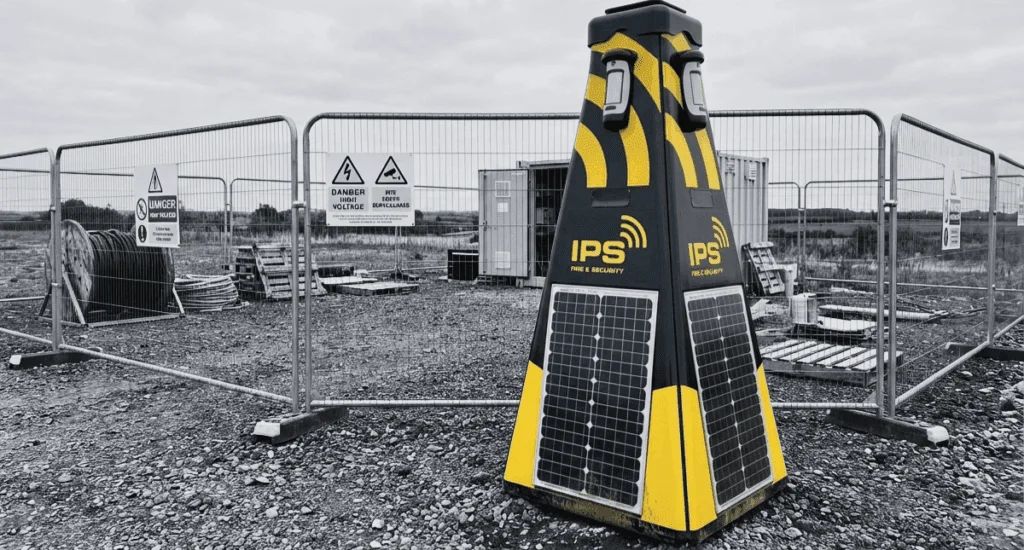
Mobile Towers: In contrast to fixed towers, mobile CCTV towers provide versatility and ease of relocation. These towers can be deployed in different locations as required, making them ideal for temporary events, construction sites, or in areas where permanent fixtures are impractical. Equipped with advanced technology, mobile towers can incorporate solar-powered features, facilitating operation even in remote areas without a reliable power source. Their flexible design allows for various camera installations, ensuring comprehensive surveillance from multiple angles.
Integrated Systems: Integrated CCTV towers are advanced solutions that combine monitoring and data analysis capabilities into a cohesive system. These towers typically integrate cameras, sensors, and communication devices, allowing for real-time data processing and alerts. Such systems are effective in large-scale facilities or urban areas where centralized management of numerous cameras is necessary. With capabilities for artificial intelligence integration, these towers can analyze footage for suspicious behavior or automatic detection of license plates, thereby enhancing overall security measures.
In conclusion, understanding the characteristics and functionalities of various types of CCTV towers empowers users to select the right surveillance solution, ensuring enhanced security tailored to specific environments.
Key Components of CCTV Towers
CCTV towers, integral to modern surveillance systems, consist of various components that work in tandem to ensure effective monitoring and security. The primary element of a CCTV tower is the camera, which can be either analog or digital. These cameras are designed to capture high-resolution images and videos, providing clarity for surveillance purposes. Depending on the specific security needs, these cameras can be equipped with advanced features such as night vision, motion detection, and pan-tilt-zoom (PTZ) capabilities, enhancing their functionality.
Another critical component of CCTV towers is the mounting system. This system is responsible for securely holding the cameras in place, enabling them to withstand external factors such as weather conditions and physical disturbances. Mounting systems vary in design and can include pole mounts, wall mounts, and ceiling mounts, allowing for flexible installation options that cater to the surveillance environment.
Power supply systems are essential for the operation of CCTV towers. These systems ensure that the cameras and supporting devices receive the necessary electrical power. Depending on the configuration, power can be supplied through standard electrical outlets, or via Power over Ethernet (PoE) technology, which integrates data and power transmission over a single cable. This is particularly beneficial for remote installations where traditional power sources may be challenging to access.
Connectivity features play a vital role in CCTV towers as well. They enable the transmission of video feeds from cameras to monitoring stations or storage systems. This can be accomplished through wired connections, such as coaxial cables or fiber optics, or via wireless technologies, which offer more flexibility in deployment. Each of these components works collaboratively to create a robust CCTV surveillance system..
Advantages of Using CCTV Towers
The deployment of CCTV towers has become increasingly prevalent in various environments, providing a multitude of benefits that enhance security measures. One of the most significant advantages is the enhanced security that these towers can offer. By strategically placing CCTV towers, organizations can ensure comprehensive surveillance coverage over large areas, thereby deterring criminal activity and facilitating quick response times in the event of an incident. These towers are designed to operate effectively even in challenging conditions, such as low light or adverse weather, ensuring that security remains consistent.
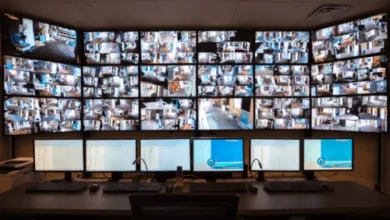
Another advantage of utilizing CCTV towers is the capability for real-time monitoring. The integration of advanced technology allows for the immediate transmission of data to monitoring centers. This ensures that security personnel have access to live feeds, enabling them to assess situations as they unfold and make informed decisions promptly. In environments where time is critical, the capability for real-time monitoring can be invaluable in mitigating risks and threats.
Cost savings represent an additional benefit of investing in CCTV towers. While the initial setup may require some capital, the long-term financial implications can be favorable. Enhanced security measures often lead to reduced theft and vandalism, which translates into lower insurance premiums. Moreover, the automation of monitoring processes reduces the need for a large security team, allowing for the reallocation of resources to other areas. Over time, these cost efficiencies can lead to significant budgetary savings for organizations.
In summary, the advantages of employing CCTV towers extend beyond mere surveillance. Enhanced security, the ability for real-time monitoring, and the potential for significant cost savings make these towers an advantageous investment for various settings. Whether for protecting public spaces, corporate facilities, or private properties, the efficacy of CCTV towers in promoting safety and security is undeniable.
Installation and Maintenance of CCTV Towers
Proper installation and maintenance of CCTV towers are crucial to ensure optimal functionality and longevity of the surveillance system. The first step in the installation process is to select an appropriate location for the tower. Factors such as visibility, coverage areas, and proximity to power sources should be thoroughly considered. The tower should be positioned to maximize the field of view while minimizing potential obstructions. Additionally, it is essential to adhere to any local regulations regarding the placement of such structures.
Once the location is determined, wiring should be carefully planned. Proper wiring is vital for power supply and data transmission to the CCTV system. It is advisable to utilize high-quality cables that are weather-resistant and suitable for outdoor installation. These cables should be routed through protective conduits to prevent exposure to the elements, reducing the risk of wear and interference. Consideration should also be given to grounding and surge protection, as these measures can safeguard equipment from electrical fluctuations and lightning strikes.
After installation, routine checks and maintenance are necessary to maintain the performance of CCTV towers. Regular inspections should include cleaning the cameras and lenses to ensure clear images and verifying that all connections are secure. It is recommended to check the functionality of the cameras and the operation of any pan-tilt-zoom (PTZ) features periodically. Furthermore, software updates should be implemented as they become available to enhance system security and capabilities. Documenting maintenance activities not only helps in tracking service history but also assists in identifying any recurrent issues that may arise, enabling prompt resolutions.
Legal and Ethical Considerations
The deployment of CCTV towers raises significant legal and ethical considerations, particularly regarding the right to privacy. As surveillance technology continues to evolve, it is imperative that both governmental and commercial entities comply with existing laws designed to protect individual privacy rights. Various jurisdictions have enacted regulations governing the use of surveillance cameras, often mandating transparency and accountability in their operation.
In many countries, data protection laws, such as the General Data Protection Regulation (GDPR) in the European Union, outline strict guidelines for capturing and processing personal data through CCTV systems. These laws typically require that individuals be informed about surveillance measures and, in certain circumstances, allow individuals to opt out. Failing to adhere to these regulations can lead to severe penalties and damage an organization’s reputation.
Ethical considerations also play a pivotal role in the discussion around CCTV usage. The principle of proportionality must be maintained; surveillance should not exceed what is necessary to achieve its intended purpose. Surveillance systems should be designed to minimize the invasion of privacy while effectively preventing crime. Moreover, organizations should establish clear policies regarding data retention and sharing. Improper handling of this data can lead to misuse or abuse, undermining public trust.
Furthermore, it is crucial to engage with the community concerning the implementation of CCTV towers. Open discussions can help identify public concerns and foster mutual understanding between authorities and citizens. By addressing legal and ethical implications comprehensively, organizations can ensure that they respect individual rights while achieving their security objectives. Balancing surveillance needs with privacy rights is essential for maintaining both public safety and individual freedoms.
Future Trends in CCTV Tower Technology
The evolution of Closed-Circuit Television (CCTV) technology, particularly in the realm of CCTV towers, underscores a trajectory driven by rapid innovation. One notable advancement is the integration of Artificial Intelligence (AI) within video surveillance systems. AI-driven analytics can enhance real-time monitoring capabilities, enabling automatic recognition of anomalies or security threats. For example, modern CCTV towers equipped with AI can analyze behaviors and distinguish between normal activity and suspicious movements, thereby reducing false alarms and increasing the efficiency of security personnel.
Moreover, the incorporation of the Internet of Things (IoT) stands poised to revolutionize the functionality of CCTV towers. With IoT integration, these towers can communicate with other devices and systems in real time, facilitating a cohesive security network. This connectivity can enhance remote monitoring, allowing users to access footage and analytics through mobile applications or desktop interfaces seamlessly. The synergy between CCTV towers and IoT can create smarter surveillance solutions that respond dynamically to various situations, enhancing overall security.
Furthermore, advancements in image quality technology also feature prominently in the future landscape of CCTV towers. As optical technologies enhance, the resolution of surveillance footage continues to improve, leading to clearer and more detailed images. The shift towards Ultra High-Definition (UHD) cameras will not only increase the accuracy of identification but will also provide better image clarity during low-light situations. Additionally, innovative filming technologies such as panoramic views and 360-degree cameras are expected to become commonplace, offering comprehensive surveillance coverage.
In conclusion, the dynamic landscape of CCTV tower technology illustrates a future marked by significant advancements driven by AI, IoT, and improved imaging. Embracing these developments will likely lead to more effective and efficient surveillance solutions, ultimately enhancing security across various domains.
Conclusion and Key Takeaways
In the contemporary security landscape, the significance of CCTV towers cannot be overstated. These advanced surveillance solutions play a pivotal role in safeguarding individuals, properties, and communities while acting as a deterrent against crime. As we have explored throughout this blog post, CCTV towers comprise a series of vital features—such as high-resolution cameras, integrated analytics, and real-time monitoring—that enhance their effectiveness in various settings.
One of the primary takeaways is that the installation and deployment of CCTV towers have become increasingly essential for urban areas, where crime rates can fluctuate. The ability to monitor public spaces continuously contributes to a swift response in emergencies, thereby enhancing overall public safety. The integration of smart technologies within these towers allows for intelligent data analysis, offering law enforcement agencies critical insights into crime trends.
Moreover, the legal and ethical considerations surrounding the use of CCTV towers underscore the importance of transparency and accountability in surveillance practices. Proper implementation of privacy measures ensures that citizens feel safe while being monitored, thus fostering trust in security systems. Ultimately, as municipalities invest in burgeoning technologies, they must strike a balance between comprehensive surveillance and individual rights.
In conclusion, CCTV towers exemplify the evolution of security measures that not only deter criminal activity but also promote a sense of safety within communities. Their capabilities are poised to expand as technology advances, making them an integral part of modern security strategies. As we continue to navigate urban challenges, the role of CCTV towers as a tool for enhancing public safety becomes increasingly significant, proving that proactive measures are essential for maintaining order and protection in society.