
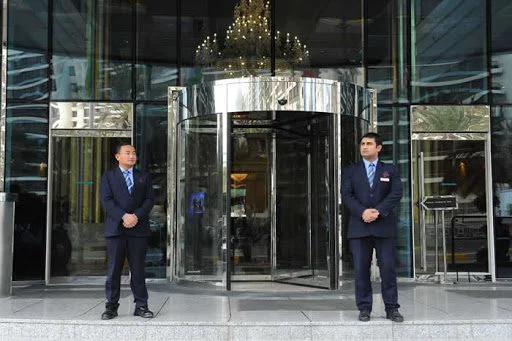
Introduction to Hotel Security
In today’s hospitality industry, hotel security plays a critical role in ensuring the safety of guests, staff, and property. The presence of security personnel, particularly security guards, not only enhances the overall security measures but also assures guests of their safety during their stay. Hotels, catering to diverse clientele, face unique challenges that necessitate a robust security framework.
One of the foremost challenges is the open-access nature of hotels. Unlike residential complexes or office buildings, hotels serve a myriad of guests, including walk-in visitors. This high turnover of individuals poses significant risks, including theft, vandalism, and other forms of criminal activity. Additionally, hotels are often targeted due to their perceived wealth and the number of valuables that guests may bring with them.
Furthermore, hotel security must address the diverse range of threats that can arise from different sources. These may include unauthorized access to guest rooms or restricted areas, potential terrorist activities, and disturbances caused by unruly guests. Each scenario requires trained professionals capable of assessing situations, implementing rapid responses, and executing evacuation procedures when necessary.
The role of hotel security guards extends beyond mere monitoring; they are pivotal in establishing a safe environment through proactive measures. This includes conducting regular patrols, monitoring CCTV feeds, and employing conflict resolution techniques to address disputes before they escalate. A professional security team not only deters illicit activities but also instills a sense of security among guests, encouraging repeat visits and positive reviews.
In summary, understanding the importance of hotel security and the responsibilities of security personnel is fundamental for ensuring a protected environment. Through effective measures and trained security guards, hotels can significantly enhance their overall security posture, maintaining a safe haven for both guests and staff.
Types of Hotel Security Services
In the realm of hospitality, ensuring the safety of guests and staff is paramount. Hotels across the UK employ various types of hotel security services to address diverse security needs. One primary component is the presence of physical security guards. These trained professionals serve as a visible deterrent to potential criminal activity, contributing to a safer environment. They are tasked with monitoring entrances, conducting regular patrols, and responding to incidents, ensuring swift action during emergencies.
In addition to physical security personnel, advanced surveillance systems are increasingly utilized in hotels. These systems consist of CCTV cameras strategically placed throughout the hotel premises. The use of surveillance technology provides continuous monitoring, allowing for real-time documentation of activities. This not only aids in crime prevention but also assists in investigations should incidents occur. High-definition video footage from these cameras can be crucial evidence in resolving disputes or criminal cases.
Emergency response services form another essential aspect of hotel security. These services encompass a variety of protocols to handle different types of emergencies, ranging from medical crises to natural disasters. Trained hotel staff typically receive instruction in emergency response procedures, ensuring a prompt and efficient reaction in times of need. Furthermore, collaboration with local law enforcement and emergency services enhances the overall readiness of the hotel to manage any challenging situations that may arise.
By integrating physical security guards, advanced surveillance systems, and emergency response services, hotels are better equipped to safeguard their guests and provide a secure atmosphere. This comprehensive approach not only protects property but also fosters a sense of trust and safety among patrons, which is essential for customer satisfaction in the competitive hospitality sector.
The Importance of Trained Security Personnel
In the hospitality industry, the presence of trained security personnel serves as a pivotal element in maintaining a safe environment for guests and staff alike. The qualifications and training requisite for security guards in hotels are comprehensive, designed to equip them with the necessary skills to respond effectively to a variety of scenarios. These include managing conflicts, handling emergencies, and implementing safety protocols.
In the United Kingdom, aspiring security personnel typically must attain a Security Industry Authority (SIA) license, which mandates a minimum level of training. This covers essential topics such as physical intervention skills, emergency procedures, and conflict management. Furthermore, guards are often trained in customer service, since their role extends beyond mere surveillance; they are also responsible for offering assistance to guests and ensuring their overall comfort during their stay.
Effective hotel security guards must develop a well-rounded skill set that encompasses both physical and interpersonal abilities. Strong observational skills are crucial; guards should be able to identify potential security threats and react promptly. Training in first aid and emergency response is also critical, as hotels can face health-related emergencies or incidents requiring immediate attention. The ability to communicate clearly and calmly is equally important, particularly in tense situations where de-escalation is necessary.
Overall, comprehensive training not only enhances the skills of security personnel but also bolsters the overall security framework within a hotel. It promotes a sense of safety that is vital for both guest satisfaction and the protection of hotel assets. Therefore, investing in well-trained security staff is paramount for any hotel seeking to provide a secure and welcoming atmosphere.
Best Practices for Hotel Security Management
Effective hotel security management involves a combination of strategic planning and operational execution. One of the primary practices is conducting thorough risk assessments. These assessments help identify vulnerable areas within the hotel premises, allowing managers to prioritize security measures according to the level of risk presented. It is essential to regularly update these assessments, particularly in response to changes in the hotel’s layout, services, or guest demographics.
Another cornerstone of hotel security management is the comprehensive training of staff. Employees should be well-versed in emergency protocols, including evacuation procedures and handling security incidents. Regular training sessions and drills enhance response effectiveness. Security staff, in particular, must be trained to identify suspicious behavior, manage conflicts, and provide assistance to guests in need. It is advisable to involve all hotel departments in training sessions, fostering a culture of security awareness throughout the organization.
Implementing robust security protocols is vital in ensuring the safety of guests and staff. This may include measures such as key card access systems, surveillance cameras, and well-lit parking areas. Additionally, hotels should have a clear procedure for reporting incidents, ensuring that all staff members know their responsibilities. Installing physical barriers, such as security gates or fencing, can also deter unauthorized access and enhance overall safety.
Regularly reviewing and updating security protocols based on recent trends in hotel security can enable management to adapt to emerging threats. Engaging with local law enforcement and security consultants can provide valuable insights into best practices and technological advancements in the field. By adopting these strategies, hotel management can enhance security, promote a sense of safety among guests, and ultimately contribute to a positive experience during their stay.
Technology in Hotel Security
In recent years, the landscape of hotel security has evolved significantly, integrating advanced technologies to enhance safety and security for both guests and staff. One prominent technology employed in hotel security is CCTV (Closed-Circuit Television). CCTV systems serve as a pivotal element in monitoring hotel premises, acting as a deterrent to potential vandals and providing visual evidence in the event of incidents. Such systems can be strategically placed in high-traffic areas including lobbies, hallways, and parking lots, offering comprehensive surveillance.
Another essential component of modern hotel security is access control systems. These systems regulate who can enter various areas of the hotel, thereby restricting unauthorized access. By utilizing key cards or biometric scanners, hotels can ensure that only authorized personnel and registered guests are allowed in specific zones, like staff-only areas or guest rooms. This level of control not only protects guests’ privacy but also enhances overall safety.
Furthermore, the advent of mobile security apps has revolutionized how hotels manage their security protocols. Many establishments are adopting mobile applications that allow security personnel to monitor real-time alerts, access video feeds, and quickly respond to incidents from their mobile devices. This technology provides greater flexibility and responsiveness, ensuring that security teams are always a step ahead in managing risks.
These technological advancements embody a commitment to safety and risk management in the hospitality sector. By implementing such innovations, hotels can foster a secure environment, ultimately leading to enhanced guest satisfaction. The combination of CCTV, access control systems, and mobile applications presents a robust and integrated approach to hotel security, bolstering the effectiveness of traditional security measures.
Legal Regulations Surrounding Hotel Security
In the United Kingdom, hotel security services are governed by a set of comprehensive legal regulations aimed at ensuring the safety and security of guests, staff, and property. The primary legislation regulating the conduct of security personnel is the Private Security Industry Act 2001. Under this act, individuals providing security services, including hotel security guards, are required to be licensed by the Security Industry Authority (SIA). This licensing process involves background checks, training, and certification to ensure that security personnel are qualified and knowledgeable about their roles.
In addition to the SIA licensing, hotel owners must adhere to the Health and Safety at Work Act 1974. This legislation imposes a duty of care on employers to provide a safe working environment for employees and to ensure the safety of guests within their premises. Consequently, hotels must conduct risk assessments to identify potential security threats and implement appropriate measures to mitigate these risks.
Furthermore, the Data Protection Act 2018 also plays a crucial role in hotel security operations. It dictates how hotels must handle personal data collected from guests, including the use of surveillance cameras. Hotels must ensure compliance with these regulations by informing guests about the presence of CCTV and the purpose of its use. This level of transparency is essential in maintaining trust and ensuring that guests feel secure during their stay.
Another important regulation is the Antisocial Behaviour, Crime and Policing Act 2014, which provides police officers with enhanced powers to address persistent antisocial behaviour that may affect hotels and their patrons. Hotel security teams may collaborate with law enforcement to address security concerns effectively.
In conclusion, understanding the legal frameworks governing hotel security services in the UK is imperative for compliance and the safety of all involved. By adhering to these laws, hotels can provide a secure environment for guests and staff alike.
Case Studies of Effective Hotel Security
In recent years, numerous hotels across the UK have successfully implemented comprehensive security guard services, showcasing the importance of such measures in safeguarding guests, staff, and property. One notable example is the Hilton London Metropole. The hotel faced a series of petty thefts and disturbances, which prompted management to reassess their security protocols. By integrating a team of well-trained security guards, complemented by the latest surveillance technology, the hotel reported a significant 40% reduction in incidents within the first six months. This proactive approach not only reassured guests but also enhanced the overall atmosphere of safety throughout the premises.
Another exemplary case is the Radisson Blu Edwardian in Manchester. The hotel experienced challenges with guest safety, particularly in the context of nightlife-related disturbances from the surrounding area. Upon engaging a reputable security company, the hotel developed a customized security strategy that included well-placed security guards and close collaboration with local authorities. This partnership proved effective, leading to reductions in noise complaints and disturbances, thereby increasing guest satisfaction ratings considerably.
The Crowne Plaza in Liverpool serves as another illustration of effective hotel security measures. After implementing security guard services, alongside an updated training program focused on emergency response procedures, the hotel successfully mitigated potential threats. Staff members were educated on identifying suspicious behavior, resulting in quicker responses to potential risks. Consequently, guest bookings increased by 15%, as positive word-of-mouth regarding enhanced safety spread among travelers.
In summary, these case studies highlight that well-planned hotel security guard services play a crucial role in not only preventing incidents but also in promoting a sense of well-being among guests, which can lead to increased occupancy rates and higher overall satisfaction in the hospitality industry.
Challenges Faced by Hotel Security Services
The effectiveness of hotel security services is crucial in maintaining a safe and secure environment for guests and staff. However, security teams encounter various challenges that can impede their operational efficiency. One prominent issue is the increasing complexity of security threats. Hotels often host diverse groups of people, from vacationing families to business professionals, which creates unique security situations. Moreover, the rise in incidents involving theft and vandalism in urban areas has made hotel properties significant targets.
In addition to external threats, hotel security teams face challenges such as staff training and retention. Personnel may lack sufficient training in handling complex situations effectively, leading to gaps in security protocols. Furthermore, high turnover rates in the hospitality industry can result in a loss of experienced personnel, directly affecting the hotel’s overall security framework. This emphasizes the necessity for continuous training programs that focus on situational awareness, emergency response, and conflict resolution.
Another major challenge is the integration of technology within security operations. While advancements such as CCTV and access control systems enhance security, they also demand ongoing maintenance and technical expertise. Hotels must ensure that their security personnel are adequately trained to utilize these technologies effectively. Failure to do so can lead to reliance on outdated systems, thereby making properties more vulnerable to potential threats.
To mitigate these challenges, hotel security teams should adopt a proactive approach. This includes implementing comprehensive training programs, conducting regular security audits, and leveraging technology to enhance situational awareness. Collaborating with local law enforcement agencies to stay informed about regional security trends is also vital. By addressing these challenges head-on, hotel security services can significantly improve their response capabilities and overall guest satisfaction, ensuring a safer hospitality environment.
The Future of Hotel Security Services
As the hospitality industry continues to evolve, so too do the security measures that protect both guests and staff. The future of hotel security services in the UK is poised to be greatly influenced by emerging technologies and innovative practices that aim to enhance safety while providing a seamless experience for patrons.
One major trend is the integration of advanced surveillance systems utilizing artificial intelligence (AI) and machine learning. These sophisticated systems analyze patterns and behaviors in real-time, allowing security personnel to respond more swiftly and efficiently to potential threats. For instance, facial recognition technology could identify individuals entering and exiting hotel premises, helping to maintain a safer environment.
Moreover, the use of mobile technology will likely play a crucial role in hotel security. Mobile applications can enhance communication between guests and security teams, enabling swift reporting of suspicious activities or emergencies. This direct line of communication can help mitigate risks and enhance the overall safety of the hotel environment.
Furthermore, the internet of things (IoT) is transforming the landscape of hotel security services. Connected devices can monitor various aspects of hotel operations, from surveillance cameras to door locking mechanisms, ensuring a more comprehensive security solution. These integrated systems not only improve efficiency but also provide valuable data insights that can help hotel administrators implement proactive safety measures.
In addition to technology, there is a growing recognition of the importance of staff training in the realm of security. Comprehensive training programs that emphasize conflict resolution, emergency response, and customer service are essential for equipping security personnel with the skills needed to handle various situations effectively. A well-prepared security team not only deters potential threats but also enhances the guest experience.
In conclusion, the future of hotel security services in the UK will be shaped by technological advancements and an increased focus on comprehensive training. As the demand for safety in the hospitality sector rises, hotels are likely to adopt innovative security measures to protect their guests and foster trust in their establishments.

