
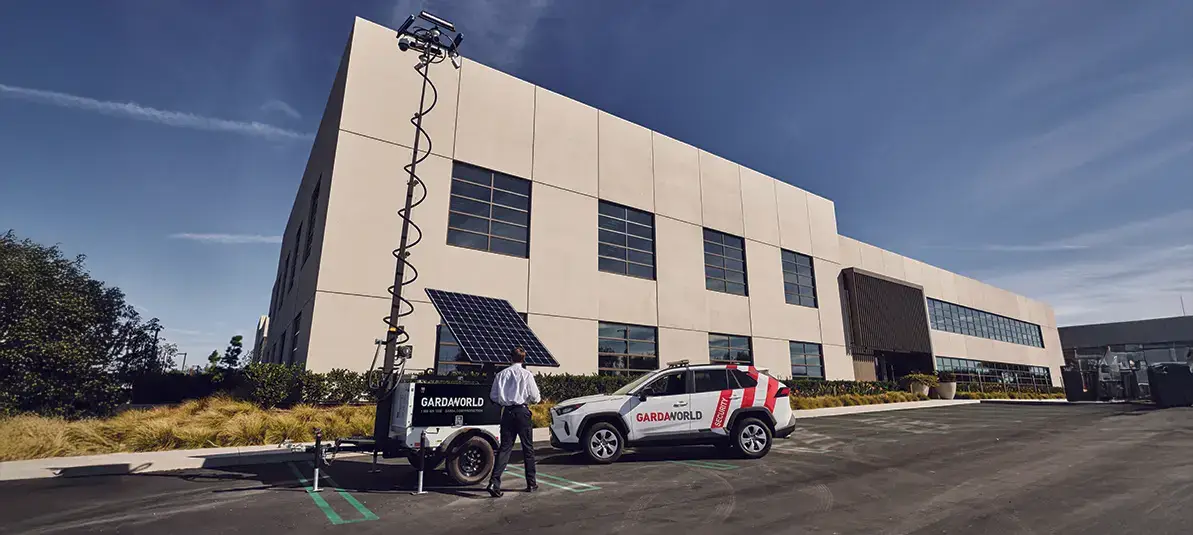
Introduction to Manned Guarding
Manned guarding refers to security measures that involve the physical presence of trained security personnel at a designated location. This traditional form of security is primarily employed to protect people, property, and assets from various threats such as theft, vandalism, and unauthorized access. Manned guarding serves as a visible deterrent to criminal activity, which is one of its defining features. Unlike electronic security systems that may fail or require maintenance, manned guarding provides a human element capable of responding dynamically to potential dangers.
The primary purpose of manned guarding is to create a secure environment through effective monitoring and swift response. Security guards are trained to detect unusual behavior, manage crowds, and handle emergencies. They also play a crucial role in enforcing access control policies by screening individuals and vehicles entering a facility. This proactive approach not only enhances overall safety but promotes a sense of security among clients and employees alike.
Manned guarding differs significantly from other security methods, such as video surveillance or alarm systems. While technology offers support and efficiency, it lacks the human judgment and capability for immediate action that guards provide. Security personnel can assess situations based on context and discretion, which is particularly important when circumstances may require a nuanced response. Furthermore, manned guarding can also involve specialized roles, including event security, mobile patrol services, and concierge security, adapting to the specific needs of different environments.
In summary, manned guarding plays a critical role in the broader framework of security services. Its effectiveness lies in the direct interaction and intervention that trained professionals provide, making it an essential component for organizations seeking to enhance their security posture.
History and Evolution of Manned Guarding
Manned guarding has a rich history that can be traced back to ancient civilizations where watchmen played crucial roles in protecting property and ensuring safety. Initially, these guards were often individuals hired by landowners to patrol their estates and prevent theft or vandalism. This practice was evident in ancient Egyptian and Roman societies, where guards were critical in safeguarding temples and public spaces.
As societies evolved, the need for more organized and formalized security measures became apparent. During the Middle Ages, constables and night watchmen emerged as essential figures in maintaining public order within towns. The introduction of formal policing in the 18th and 19th centuries in Europe signified a pivotal shift in the approach to security, merging manned guarding services with legislative authority to create safer communities.
The Industrial Revolution further transformed security practices. Factories and warehouses required robust guarding to protect goods and ensure worker safety. This period saw the establishment of private security firms, marking a significant milestone in the evolution of manned guarding from community-based watchmen to professional security personnel. The introduction of uniforms and identification badges helped enhance the authority and visibility of guards.
In the 20th century, advancements in technology began to shape the field significantly. The advent of communication devices and alarm systems complemented the role of manned guards, making security services more effective. Additionally, the rise in urban populations led to a greater demand for private security services, which adapted to various industries and commercial enterprises.
Today, manned guarding is more sophisticated, encompassing a diverse range of roles and responsibilities. Security personnel are now trained to handle various situations, including emergency response, conflict resolution, and customer service, blending traditional guarding with modern practices. This evolution reflects the changing landscape of security needs across the globe, highlighting the ongoing significance of manned guarding in today’s society.
Roles and Responsibilities of Security Guards
Security guards play a vital role in safeguarding various premises, and their responsibilities extend beyond merely monitoring access points. One fundamental duty is patrolling designated areas to ensure the safety and security of the environment. These patrols can be carried out on foot or by vehicle and often involve checking for any unusual activity, ensuring doors and windows are secured, and maintaining a visible presence that deters potential threats.
In addition to physical patrolling, security guards are tasked with monitoring surveillance equipment. This involves keeping a close watch on CCTV feeds and other monitoring systems to detect suspicious behavior or unauthorized access. Their training helps them recognize potential threats early, allowing for timely intervention. Furthermore, security guards are often required to conduct regular inspections of the premises, checking for safety hazards, and ensuring that fire safety equipment is functional and accessible.
An essential aspect of a security guard’s role is customer service. They are typically the first point of contact for visitors, staff, and clients. Providing information and assistance creates a welcoming atmosphere while conveying professionalism. Good communication skills are crucial, as security guards frequently engage with diverse groups. They must be approachable while also remaining vigilant about security protocols.
Responding to incidents is a critical responsibility. Security guards are trained to handle emergencies, such as medical situations, fire alarms, or trespassing. In these instances, they must assess the situation promptly and take appropriate action, which may include alerting emergency services or enforcing evacuation procedures. Documentation of incidents is another important aspect, as it helps create an official record for future reference and improves overall security measures.
Benefits of Manned Guarding
Manned guarding services play a vital role in enhancing security for various facilities and businesses. One of the primary benefits of employing security personnel is the assurance of safety they provide. Trained guards serve as a physical barrier, which can significantly reduce the likelihood of criminal activity. Their presence alone can ensure peace of mind for employees, clients, and visitors alike.
Moreover, the visibility of manned guarding acts as a deterrent to potential intruders or offenders. Many studies have shown that areas with security personnel are less attractive targets for criminal actions. The understanding that trained professionals are monitoring the environment sharply reduces the chances of vandalism, theft, and other malicious acts.
Another crucial advantage is the rapid response capability offered by manned guarding. In emergencies, such as theft or unauthorized access, security personnel can immediately react, assessing the situation while contacting law enforcement or emergency services when required. This swift response not only helps to manage incidents more effectively but can also mitigate potential damages or losses.
Furthermore, manned guarding significantly enhances overall customer satisfaction. Clients and customers often feel safer knowing that a professional security team is present to handle any issues that may arise. This feeling of security can improve their experience and foster loyalty to a business. When customers perceive a business as safe, they are more likely to return and engage with the services offered.
In summary, the benefits of manned guarding extend well beyond mere protection. Through providing security assurance, creating deterrence, ensuring rapid response capabilities, and boosting customer satisfaction, manned guarding proves to be an invaluable asset for any organization looking to uphold its security standards.
Challenges Faced by Manned Guarding Services
The manned guarding sector, integral to many security arrangements, often encounters a range of challenges that impact its effectiveness and reliability. One significant issue is the variability in the consistency and reliability of service. Security guards may be faced with fatigue, distractions, or other personal issues that can adversely affect their performance during duty hours. This inconsistency raises concerns regarding the overall security of the locations they are responsible for protecting.
Training presents another considerable challenge. Although many companies invest in initial training for their personnel, continuous professional development can be sporadic. In an ever-evolving threat landscape, it is paramount that guards are equipped with the latest information and skills necessary to respond to diverse situations. Insufficient training can lead to poor decision-making in critical scenarios, thus inhibiting the effectiveness of the security personnel.
Additionally, there is an increasing demand for the integration of technology within manned guarding services. While traditional methods provide a strong physical presence, the advancement of security technology—such as surveillance systems, drones, and alarm management—creates an opportunity for enhanced operational efficiency. Failure to adopt and integrate these technological tools can render manned guarding less effective in comparison to modern security solutions. Moreover, the need for guards to be proficient in using these technologies can present challenges in terms of recruitment and training.
Finally, the sector must also grapple with industry perceptions and skepticism from potential clients regarding the effectiveness of manned guarding in a digital age. To counteract these challenges and maintain relevance, the manned guarding sector must evolve, embracing continuous improvement, technological integration, and rigorous training protocols.
Technological Integration in Manned Guarding
The integration of technology in manned guarding has transformed the security landscape, enhancing the effectiveness and efficiency of security personnel. As security challenges evolve, the implementation of sophisticated technology becomes vital in ensuring optimal protection. Surveillance systems, communication devices, and various security technologies play a crucial role in empowering guards to perform their duties more thoroughly.
One of the most prominent advancements is the deployment of advanced surveillance systems. These systems may include high-definition cameras, motion detectors, and thermal imaging technology that provide real-time monitoring and long-term documentation. By utilizing these tools, security personnel can obtain a comprehensive view of the premises, identify potential risks immediately, and respond proactively to incidents. The ability to review recorded footage further aids in investigations, ensuring that threats are addressed effectively.
Moreover, communication devices significantly enhance the coordination between guards. Two-way radios, mobile applications, and integrated communication platforms allow for instant updates and alerts, promoting a cohesive response to incidents. These tools not only facilitate rapid communication but also reduce the likelihood of miscommunication, which is critical during emergencies. With reliable communication, the effectiveness of manned guarding is considerably improved, as personnel can act quickly and efficiently.
Additionally, alarm systems and access control technologies further bolster security measures. Automated alerts can notify guards of any security breaches or unusual activities, guiding their actions and decisions. Access control systems manage who can enter specific areas, preventing unauthorized access and further protecting sensitive locations.
Incorporating technology into manned guarding enhances safety protocols and allows security teams to concentrate on their primary role—creating a secure environment. By leveraging these resources, the effectiveness of guards is significantly amplified, ultimately contributing to the overall security strategy of an organization.
Choosing the Right Manned Guarding Company
Selecting an appropriate manned guarding company is crucial for ensuring the security of your premises. The right provider can enhance safety, deter criminal activities, and instill confidence among employees and customers. To make an informed decision, several key factors must be considered.
First and foremost, examine the certifications held by the manned guarding service provider. Reputable companies should possess relevant accreditations and licenses that validate their compliance with industry standards. Look for certifications from organizations such as the Security Industry Authority (SIA) in the UK or other local regulatory bodies that oversee security operations. These certifications not only indicate professionalism but also a commitment to uphold ethical practices in security provision.
Experience is another critical factor in your selection process. Security needs can vary significantly depending on the type of business and its operational environment. Therefore, it is beneficial to engage with a company that has a proven track record relevant to your specific sector. Companies with years of experience in manned guarding are likely to have developed effective protocols and can handle complex security challenges that may arise in various settings.
Additionally, reviewing the reputation of the manned guarding company is essential. This can be done through client testimonials and case studies. Reach out to past customers or conduct thorough research online to gauge their level of satisfaction with the services provided. A company with positive feedback and a solid reputation is often a reliable choice for security services.
Lastly, consider the level of customization they offer. Every site has unique security requirements; therefore, a company that can tailor its services to meet your needs will likely enhance the effectiveness of the security measures implemented. Take your time to evaluate these factors thoroughly, ensuring that you select a manned guarding company that aligns with your business’s specific security needs.
Future Trends in Manned Guarding
The manned guarding industry is currently witnessing a transformative phase driven by technological advancements, evolving client expectations, and broader changes within the security landscape. One of the most significant trends is the integration of technology with traditional manned guarding services. This includes the use of advanced surveillance systems, biometric access control, and automated reporting tools, which not only enhance security but also augment the capabilities of security personnel.
Emerging technologies such as artificial intelligence (AI) and machine learning are also playing a pivotal role in this transformation. These technologies enable more efficient surveillance management and incident response by analyzing data from security systems and alerting personnel to potential threats in real time. For instance, AI-driven facial recognition systems can enhance verification processes and reduce the risk of unauthorized access. This move towards a tech-enabled approach is not only streamlining operations but also elevating the overall effectiveness of manned guarding services.
In parallel to these technological advancements, there is a growing emphasis on training and development for security personnel. As the roles of security officers evolve to include tech-savvy responsibilities, training programs are increasingly incorporating modules focused on operational technology use, emergency response protocols, and customer service standards. Enhanced training ensures that security professionals can adapt to the new demands of their roles, thereby improving service quality and client satisfaction.
Market demand for manned guarding solutions is also shifting, with clients today seeking more integrated security solutions that combine traditional services with technological innovations. Clients are not only focused on immediate security needs but are also considering long-term security strategies that prioritize risk management and mitigation. This trend indicates a move towards a more holistic approach to security, aligning with the ongoing evolution of the industry and its adaptability to future challenges.
Conclusion
In the contemporary landscape of security solutions, manned guarding has emerged as a crucial element for safeguarding various environments such as corporate offices, retail spaces, and residential communities. This blog post has explored the definition of manned guarding, elucidating the vital role that trained security personnel play in maintaining safety and peace of mind for businesses and individuals alike. The presence of dedicated guards not only deters criminal activities but also creates a secure atmosphere conducive to productivity and comfort.
Moreover, the benefits of implementing manned guarding extend beyond mere physical security. Trained officers are equipped to respond promptly and efficiently to emergencies, ensuring that potential threats are managed effectively. The peace of mind provided by having a visible security presence cannot be understated, as it fosters a sense of safety among employees, customers, and residents. Additionally, with the personalized service that manned guarding offers, organizations can tailor their security measures to meet their unique needs and circumstances.
Furthermore, the reliability and professionalism of security personnel enhance trust and credibility within various sectors, elevating the overall value of manned guarding as a security option. By considering the myriad advantages associated with this security approach, organizations and individuals can make informed decisions about investing in security services that align with their specific requirements. A thorough evaluation of manned guarding can help select the optimal security strategy, thus making it a prudent choice in today’s complex security landscape.

