Introduction to Security Guard Services in the UK
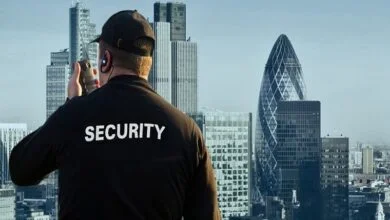
In recent years, the UK has seen a significant evolution in its security landscape, driven by a growing emphasis on safety and protection in various sectors. Security guard services, particularly close protection and bodyguard services, have become essential for individuals and organizations alike. The need for personal security has risen due to various factors, including high-profile events, increasing crime rates, and the general unpredictability of contemporary life.
The security industry in the UK is multifaceted, encompassing a wide array of services designed to safeguard people, property, and assets. In addition to close protection services, the security guard sector also includes event security, mobile patrols, and static guarding. Each service is tailored to meet specific needs, ensuring that clients receive appropriate levels of protection based on their circumstances.
Close protection services are perhaps the most recognized segment within the security guard industry. These services generally involve the deployment of trained bodyguards who are responsible for the personal safety of clients, often in potentially hazardous situations. Bodyguards not only monitor environments for risks but also implement rigorous security measures, ensuring peace of mind for those they protect. This increased focus on personal security underlines the growing acknowledgement of individual vulnerability in a world that can often feel uncertain.
Moreover, a surge in awareness around personal security concerns has propelled the demand for skilled security personnel. Individuals from various backgrounds, including corporate executives, celebrities, and political figures, frequently seek the expertise of bodyguards. As such, security guard services in the UK continue to adapt to the dynamic needs of clients, demonstrating the importance of comprehensive security solutions in today’s context.
What is Close Protection?
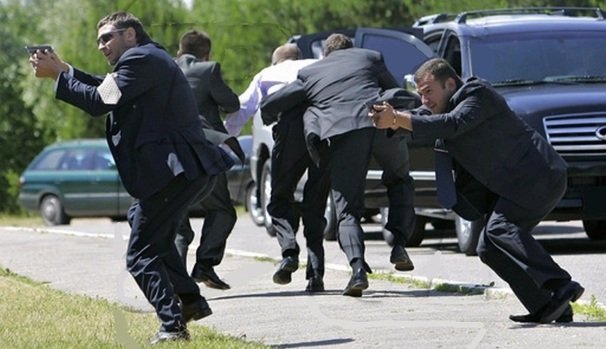
Close protection, often referred to as bodyguard services, is a specialized security measure designed to safeguard individuals, particularly those who are high-profile or perceived to be at risk. This protection encompasses various activities aimed at ensuring the personal safety of clients, which may include public figures, celebrities, corporate executives, and other individuals facing potential threats. Close protection agents are trained professionals who implement a range of strategies to mitigate risks and safeguard their clients during various situations.
The primary responsibility of close protection officers involves the assessment of potential threats to their clients, which may encompass everything from physical attacks to harassment by the public. To effectively address these concerns, close protection agents employ a variety of methods, including advance planning and route management. This often involves meticulous pre-event reconnaissance of locations, identifying escape routes, and coordinating with local authorities to ensure a secure environment.
In addition to preventive measures, close protection officers are trained to respond swiftly to unexpected situations. This includes being skilled in conflict resolution and crisis management, allowing them to de-escalate potentially dangerous encounters. Furthermore, effective communication skills are vital for close protection agents, as they often need to coordinate with other security personnel, law enforcement, and the clients themselves.
Specialized training is crucial in this field, as close protection officers must not only possess a comprehensive understanding of security tactics but also be physically fit and adept in defensive maneuvers. This level of expertise ensures that agents can provide proactive security solutions, adapting their approach based on the unique needs of each client. Ultimately, close protection plays a pivotal role in the security landscape, ensuring that individuals can navigate their professional and personal lives with enhanced confidence and safety.
The Role of Bodyguards
Bodyguards play a crucial role in the realm of personal security, differing significantly from standard security personnel in their specialized functions and skills. While regular security staff typically focus on maintaining safety by monitoring environments, enforcing rules, and managing access control, bodyguards are specifically trained to protect individual clients from potential threats. This differentiation is primarily rooted in their advanced training in risk assessment, situational awareness, and personal defense techniques.
Bodyguards are often employed in a variety of scenarios, ranging from celebrity protection to safeguarding corporate executives during high-stakes events. Celebrities, due to their public visibility and potential target status, often require bodyguard services to navigate through large crowds, manage their safety during appearances, and mitigate any threats that may arise from obsessive fans or stalkers. Similarly, corporate executives may need bodyguards when attending high-profile meetings or traveling to regions known for political instability or elevated risks.
The presence of a bodyguard can serve as both a deterrent and a means of swift intervention during potential threats. Clients often benefit from the heightened security and peace of mind that comes with having a trained professional dedicated to their safety. Moreover, bodyguards utilize a range of strategies, including evasive driving and crowd management techniques, to protect their clients, tailoring their methods to the specific environments and situations they encounter.
In summary, bodyguards are essential in providing personalized security solutions, driven by their unique capabilities and skills that distinguish them from regular security personnel. Their presence is invaluable to those facing credible threats, ensuring safety while allowing individuals to maintain their public presence and complete daily activities with confidence.
Qualifications and Training for Close Protection Officers
Becoming a close protection officer in the UK involves meeting specific qualifications and undergoing comprehensive training to ensure that individuals are well-equipped to handle the demands of this high-stakes profession. First and foremost, aspiring bodyguards must obtain a valid Security Industry Authority (SIA) license, which is a legal requirement for working in close protection roles. This license is granted after individuals complete the mandated training courses that cover various vital topics such as risk assessment, conflict management, and legal awareness.
Training for close protection officers typically includes courses that offer insights into threat assessment, which is essential for identifying potential risks to clients. These courses are designed to teach candidates how to evaluate different environments and anticipate possible security threats. Additionally, training will address conflict resolution techniques, enabling officers to manage potentially dangerous situations without resorting to force.
First aid training is another critical component of becoming a close protection officer. Bodyguards must be prepared to respond to medical emergencies, and certification in first aid ensures that they can provide assistance until professional medical services arrive. This is particularly important in high-pressure environments where every second counts.
Furthermore, prospective close protection officers may also benefit from skills in physical fitness and self-defense, allowing them to protect their clients effectively. Training programs may include fitness regimens and martial arts, enhancing both their physical capabilities and self-confidence.
The combination of certification, specialized training, and practical experience plays a pivotal role in the effectiveness of close protection officers. Employers in this sector look for well-rounded individuals who not only meet legal requirements but also demonstrate the skills and judgment necessary for maintaining safety and security in challenging situations.
Legal Considerations and Regulations
In the United Kingdom, the provision of close protection and bodyguard services is regulated under specific legal frameworks to ensure safety and accountability. Security companies that offer these services must adhere to the Security Industry Authority (SIA) licensing requirements. The SIA was established to regulate the private security industry, ensuring that security professionals meet certain standards of competence and conduct.
To legally operate as a close protection officer, individuals must have obtained the required SIA license. This involves completing an approved training program that covers various aspects of personal security, conflict management, and legal responsibilities. The emphasis on training ensures that personnel are equipped with the necessary skills to protect their clients effectively while complying with the law.
In addition to licensing, security firms are obligated to follow the Private Security Industry Act 2001, which outlines the standards for operation, including the protection of clients’ rights and privacy. These regulations are designed to create a clear boundary between legitimate security services and those that might infringe on civil liberties.
It is important to note that while security firms hold significant responsibilities regarding client safety, individuals receiving protection must also be aware of their rights. For instance, close protection officers are required to respect personal privacy and adhere to specific ethical standards. Clients can expect their security providers to maintain confidentiality and act within the law at all times. Overall, a clear understanding of these legal considerations is crucial, as they define the relationship between the security provider and the client, ensuring that both parties are protected under the law.
Challenges Faced by Security Guards and Bodyguards
Security guards and bodyguards encounter a range of challenges that can significantly influence their effectiveness in providing protection to clients. One predominant issue is public perception. Many individuals may regard security personnel as mere intimidators or assume they are unnecessarily involved when present in social situations. This perception can lead to uncomfortable interactions, potentially complicating the relationships between security professionals and the communities they serve. A nuanced understanding of their role is crucial for mitigating these challenges.
Moreover, the mental demands of the job cannot be overstated. Bodyguards and security guards often operate in high-stress environments that require constant vigilance and quick decision-making. The mental strain can lead to burnout or decreased performance if not managed effectively. Many security professionals must develop strategies to maintain their mental acuity, such as regular training and self-care routines, to handle the pressures of the role. Additionally, these professionals must cultivate situational awareness to proactively identify potential threats, which requires ongoing training and experience.
Physical demands also play a significant role in the challenges faced by bodyguards and security guards. The nature of the job often entails long hours of standing, patrolling, or maintaining a presence in challenging environments. This can lead to physical exhaustion and strain on the body. To combat these issues, security personnel often engage in fitness and wellness programs to ensure they are physically fit and capable of responding effectively when situations escalate.
Finally, the rapidly changing threat landscape poses a significant challenge. As criminal tactics evolve and new risks emerge, security professionals must continuously adapt their strategies and techniques. Keeping abreast of current trends, technological advancements, and potential threats is crucial for bodyguards and security guards to provide effective protection that meets the diverse needs of their clients.
Technological Advances in Close Protection Services
The field of close protection services has witnessed significant technological advancements, fundamentally transforming how bodyguards operate and ensuring the safety of their clients. Modern surveillance technologies have emerged as pivotal tools in the arsenal of personal security professionals. Today’s security personnel utilize sophisticated cameras and drones capable of providing real-time footage and extensive coverage of security environments. These devices not only allow for monitoring potential threats from a distance but also facilitate preemptive responses, effectively mitigating risks before they escalate.
Moreover, communication tools have also evolved dramatically, enhancing coordination among security teams. Secure communication devices ensure that bodyguards can share critical information instantaneously, maintaining a robust line of dialogue even in crowded or chaotic settings. Applications designed for encrypted messaging have further reinforced this capability, allowing for discreet communication without the risk of interception. This quick access to information allows bodyguards to respond more effectively to unexpected situations, enhancing the overall safety of their client.
In addition, personal security devices, such as wearable panic buttons and GPS tracking systems, have become essential components of close protection services. These technologies provide an added layer of safety, enabling clients to alert their security detail effortlessly in case of an emergency. The integration of biometric security measures, like facial recognition and fingerprint scanners, has further enhanced access control, making it more challenging for unauthorized individuals to breach security measures.
Ultimately, the integration of these technological innovations signifies a shift towards a more proactive approach in close protection services. The enhanced efficiency and effectiveness of bodyguards armed with advanced tools not only improve client safety but also instill greater confidence in the protective measures being employed.
Choosing the Right Close Protection Service
Selecting the appropriate close protection service is essential for ensuring personal safety and security, particularly in today’s climate where risks abound. One of the primary factors to assess when choosing a close protection service is the qualifications and experience of the personnel involved. Professionals in this field typically possess backgrounds in law enforcement, military service, or specialized security training. It is crucial to verify their credentials, as well as any certifications that may indicate a higher level of expertise in security tactics and risk management.
Secondly, understanding the specific services offered by various close protection providers is vital. Different situations require different approaches; therefore, one should ensure that the service includes customized security plans that cater to individual requirements. Some close protection services may focus on executive protection, while others may specialize in high-profile events or travel security. By carefully evaluating the service offerings against one’s unique security needs, individuals can make a more informed decision.
Another important aspect is to consider client testimonials and reviews. Feedback from previous clients can offer valuable insights into the effectiveness and reliability of a close protection service. Positive testimonials often indicate a service’s capability to handle challenging situations and provide peace of mind. Conversely, negative reviews may reveal potential shortcomings that could jeopardize safety. Therefore, seeking out independent reviews or asking for references can significantly aid in the selection process.
Ultimately, taking the time to conduct thorough research and evaluate each of these factors will ensure that you select a reputable close protection service that is aligned with your specific security needs.
Conclusion and Future Trends in Close Protection Services
Throughout this discussion on UK security guard services, particularly focusing on close protection and bodyguard services, several key points have emerged. Close protection services are integral to ensuring the safety and security of individuals who may be at risk due to various factors, including their profession, public visibility, or perceived wealth. The necessity for these services has been shaped significantly by recent global events, leading to a more complex security landscape.
As we look ahead, it is important to identify the future trends influencing close protection services. One prominent trend is the increasing integration of advanced technology in personal security measures. The use of surveillance systems, GPS tracking, and real-time communication tools are expected to enhance the efficiency and effectiveness of close protection teams. Moreover, as the world becomes more interconnected, the threats faced by individuals are no longer confined to geographical boundaries, pushing the need for adaptable and responsive security strategies.
Another significant factor to consider is the emphasis on psychological preparedness and resilience within protection teams. As threats become more unpredictable and diverse, the ability to assess risk dynamically and make informed decisions on the spot will become crucial for the success of close protection professionals. Additionally, the profile of individuals seeking protection is evolving, encompassing a broad spectrum of demographics, which will necessitate tailored approaches to security.
In conclusion, the landscape of personal security in the UK is undergoing various transformations. Close protection and bodyguard services must adapt to new challenges brought about by global dynamics, technological advancements, and changing public perceptions of safety. The future of close protection services lies in a holistic approach that combines robust physical protection with proactive risk management and the incorporation of modern technology.