Introduction to CCTV Systems
CCTV systems, or closed-circuit television systems, have become an essential component of modern security solutions for businesses. These systems serve as a powerful deterrent against theft, vandalism, and unauthorized access, making them vital for protecting both physical property and sensitive information. In an era where business security is of paramount concern, the adoption of CCTV technology has witnessed a significant increase.
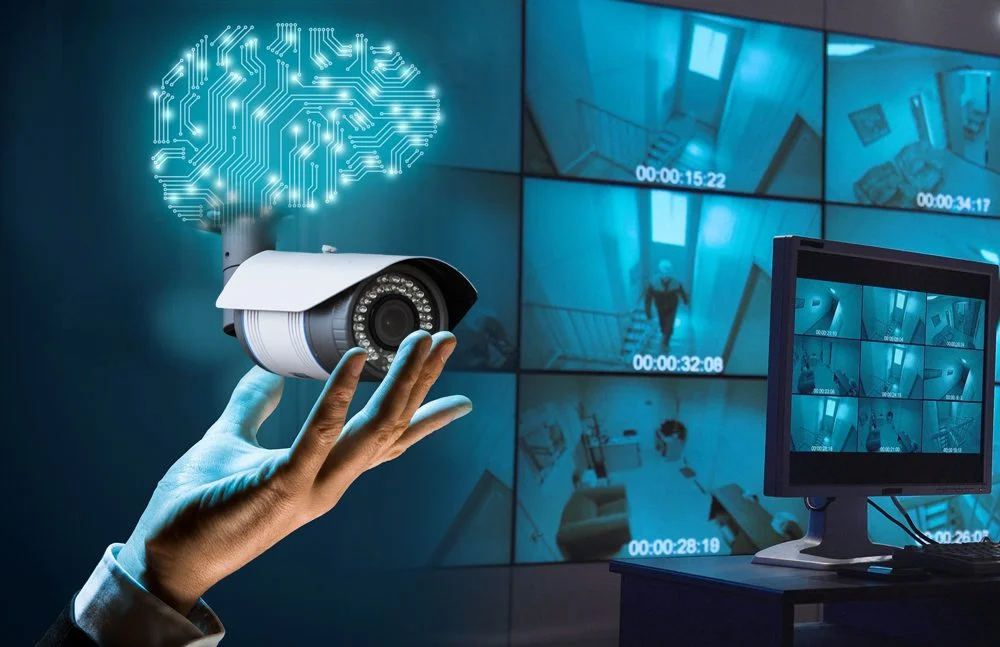
The primary functionalities of CCTV cameras include monitoring, recording, and surveillance. Through continuous observation, businesses can not only deter crime but also gather critical evidence in the event of an incident. The recording feature enhances this capability, allowing recorded footage to be reviewed later as needed. Furthermore, advancements in technology have led to the development of high-definition cameras, night vision capabilities, and remote monitoring options, which significantly improve the effectiveness of these systems.
As security threats evolve, the need for comprehensive CCTV solutions has never been greater. Businesses are increasingly aware of their vulnerabilities and are seeking effective methods to bolster their security posture. With the added advantage of real-time monitoring, remote access, and even integration with alarm systems, modern CCTV solutions offer an all-encompassing approach to crime prevention and management.
Given the rising crime rates and the sophistication of potential threats, investing in a robust CCTV system is a proactive measure that businesses should prioritize. As we delve deeper into this comprehensive guide, we will explore various models, features, and considerations to ensure that your business selects a CCTV system that meets its specific security needs.
Types of CCTV Cameras
CCTV cameras come in various types, each designed to meet specific security and monitoring needs. Understanding these different types can empower business owners to choose the most appropriate system for their premises. The most common types of CCTV cameras include dome cameras, bullet cameras, PTZ (Pan-Tilt-Zoom) cameras, and IP (Internet Protocol) cameras.
Dome Cameras: Dome cameras are typically housed in a semi-spherical casing, making them less intrusive and more suitable for indoor settings. Their discrete appearance makes them an excellent choice for retail stores, restaurants, and offices. With a wide-angle lens, they can cover extensive areas while their casing can sometimes include features such as infrared night vision.
Bullet Cameras: Bullet cameras are easily recognizable due to their cylindrical shape. They are often utilized in outdoor settings, thanks to their ability to withstand harsh weather conditions. These cameras are excellent for monitoring specific areas such as entrances or parking lots, offering high-resolution video and often coming equipped with infrared capabilities for low-light conditions.
PTZ Cameras: PTZ cameras provide dynamic coverage options with their ability to pan, tilt, and zoom. This multifunctionality makes them ideal for large areas that require active monitoring, such as warehouses or perimeters of commercial buildings. Users can remotely control these cameras to adjust their focus based on real-time events, increasing overall surveillance efficacy.
IP Cameras: Unlike traditional analog cameras, IP cameras transmit data over a network, allowing for higher resolution images and flexibility in installation. They are often used in conjunction with network video recorders (NVRs) and provide options for remote access, making them suitable for modern business environments that emphasize mobility and cloud storage solutions.
In conclusion, each type of CCTV camera is designed with specific features and benefits that cater to various business needs. By understanding the distinct advantages of dome, bullet, PTZ, and IP cameras, business owners can make informed decisions that will enhance their security infrastructure.
Key Features to Look for in a CCTV System
When selecting a CCTV system for your business, there are several key features that should be considered to ensure comprehensive surveillance and security. Among these features, high-definition video quality is paramount. A system capable of providing clear, high-resolution images ensures that even the smallest details can be captured and reviewed, which is crucial in identifying individuals and events accurately.
Another essential capability is night vision. Many incidents occur during low-light conditions, and a CCTV system equipped with infrared technology enables it to capture clear footage regardless of lighting circumstances. This feature not only enhances security during the night but also extends the overall effectiveness of surveillance throughout the 24-hour cycle.
Furthermore, motion detection is a valuable attribute that significantly increases operational efficiency. Systems that utilize advanced motion detection can differentiate between standard movements and potential threats, minimizing unnecessary alerts and conserving storage resources. This technology allows you to receive notifications only when activities warrant attention, thereby optimizing monitoring efforts.
Remote access capability is increasingly important in today’s fast-paced business environment. A CCTV system that supports remote viewing allows business owners and security professionals to monitor their premises in real-time from any location using smartphones, tablets, or computers. This flexibility enhances response times and overall control over security measures.
Lastly, consider the storage options provided by the CCTV system. Depending on the volume of recording needed, local storage or cloud-based solutions should be evaluated. Cloud storage offers a secure and scalable approach, mitigating the risks associated with data loss due to hardware failures.
Benefits of Installing CCTV in Your Business
The installation of Closed-Circuit Television (CCTV) systems in a business setting offers a multitude of advantages that can significantly enhance security and operational efficiency. One of the primary benefits is the deterrence of criminal activity. The mere presence of CCTV cameras can discourage potential thieves and vandals from targeting a business, as the risk of being recorded and subsequently identified often outweighs the potential gains from such illicit activities.
Moreover, CCTV systems contribute to the overall safety of both employees and customers. By monitoring critical areas within and around a business premise, these systems can help in identifying unsafe practices, potential hazards, and unusual behavior that may pose a threat to individuals on-site. This sense of security encourages a safer work environment, which is essential for maintaining employee morale and customer satisfaction.
Another significant advantage of CCTV systems is their capability for evidence collection. In the unfortunate event of a crime or incident, having recorded footage can be invaluable for investigations. Law enforcement agencies often rely on CCTV footage to assess situations, identify suspects, and gather crucial data for cases. This not only aids in resolving incidents but also serves as a deterrent for future occurrences by showcasing that the business is proactive in safeguarding its interests.
Lastly, the installation of a CCTV system provides peace of mind to business owners. Knowing that the premises are under surveillance helps owners feel more secure about their investments and operations. This reassurance allows business owners to focus more on improving their services and expanding their ventures, rather than worrying about potential threats. In summary, the multifaceted benefits of installing CCTV systems enhance the overall security framework of businesses, making them a worthwhile investment for any commercial establishment.
Top CCTV Brands for Business Use
When choosing a CCTV system for your business, selecting a reputable brand can significantly impact product quality and reliability. Among the array of options available in the market, Hikvision and Dahua stand out as prominent leaders, particularly in the business sector. Both brands are known for their innovative technology and strong performance.
Hikvision has earned a solid reputation due to its extensive product range and advanced features such as AI-based video analytics and superior image resolution. Their systems often include options for both IP and analog cameras, catering to varying business security needs. Furthermore, Hikvision is recognized for providing excellent customer support, ensuring users receive assistance when necessary. This combination of functionality and support enhances their credibility among businesses.
Dahua is another well-respected brand that appeals to businesses looking for a balance of performance and value. Known for their user-friendly interface and robust surveillance options, Dahua products often feature intelligent video analysis and integration capabilities with existing security systems. Businesses appreciate their reliability and quality build, which contribute to long-term operational efficiency.
Additionally, brands like Arlo and Ring have carved out a niche, particularly for small to medium-sized businesses. Arlo’s wireless surveillance solutions are lauded for their ease of installation and flexible usage, thanks to cloud storage options. Meanwhile, Ring’s focus on community-based security measures offers businesses a unique approach, fostering neighborhood cooperation and vigilance.
In assessing these brands, it is clear that their product offerings, quality, customer service, and overall market reputation play a crucial role in determining the best CCTV options for business surveillance needs. By evaluating these aspects, companies can make informed decisions that enhance their security measures.
Installation Tips for Your CCTV System
Installing a CCTV surveillance system in your business is an essential step towards securing your premises. To achieve optimal coverage and effectiveness, careful planning and strategic placement of the cameras is crucial. Begin by identifying key areas that require monitoring, such as entry and exit points, high-traffic locations, or sensitive areas where valuable assets are stored.
When deciding on camera placement, consider the field of view of each camera. The ideal height for mounting CCTV cameras is typically between 8 to 10 feet, providing a comprehensive view without being easily tampered with. It is also advisable to position cameras at angles that minimize blind spots, ensuring complete surveillance of the targeted areas. Additionally, be mindful of any obstructions that could block the camera’s view, such as trees, walls, or signage.
Wiring is another critical aspect of the installation process. Determine whether to use analog or IP cameras, as this will dictate the wiring requirements. For IP cameras, which typically use Ethernet cables, consider Power over Ethernet (PoE) options that combine power and data transmission into a single cable. This simplifies the installation process and reduces clutter. Ensure that the cabling is hidden whenever possible to deter vandalism and improve the aesthetics of your business environment.
Lighting plays a significant role in the effectiveness of CCTV systems. Position cameras in well-lit areas where they can capture clear images, especially at night. If natural light is insufficient, consider using supplemental lighting to enhance visibility and prevent dark spots. Lastly, regular maintenance is essential for ensuring the longevity and functionality of your CCTV system. Schedule periodic checks to clean the cameras, assess their positioning, and verify that the recording equipment is operating as intended. By following these tips, you can maximize the security benefits of your CCTV system and foster a safer environment for your business.
Costs Associated with CCTV Systems
When considering the implementation of a CCTV system for your business, understanding the costs involved is essential. The initial setup costs for CCTV systems can vary significantly based on several factors, including the number of cameras required, the quality of the equipment, and additional features such as motion detection or remote monitoring capabilities. On average, businesses can expect to spend anywhere from a few hundred to several thousand dollars for both hardware and installation services.
Beyond the initial expenses, ongoing costs must also be factored into your budget. These expenses typically include maintenance agreements, storage solutions for video footage, and potential upgrades or replacements of older equipment. Maintenance of the CCTV system is crucial to ensure consistent performance and reliability. Regular servicing can prevent malfunctions and ensure the longevity of your equipment, further protecting your investment.
Storage options for recorded footage can also introduce additional costs. Depending on the size and type of system, footage may need to be stored locally via Network Video Recorders (NVRs) or via cloud services. Businesses must evaluate the most cost-effective storage solution while considering factors such as data retention policies and the volume of footage generated.
The financial consideration extends beyond mere expenditure. The installation of a comprehensive CCTV system can also provide a significant return on investment (ROI) by enhancing security and potentially reducing losses due to theft or vandalism. Furthermore, the presence of surveillance cameras may also deter criminal activity, contributing to a safer environment for both employees and customers. Ultimately, investing in a well-structured CCTV system can enhance operational efficiency, streamline processes, and protect your business assets, making the long-term financial commitment worthwhile.
Legal Considerations for CCTV Surveillance
When considering the installation of a Closed-Circuit Television (CCTV) system in a business setting, it is crucial to comprehend the legal implications associated with video surveillance. Business owners must navigate a complex landscape of privacy laws, which can differ significantly from one jurisdiction to another. Compliance with these legal requirements is vital to avoid potential legal challenges and to respect the privacy of employees and customers.
One of the primary legal considerations involves the need to notify individuals about the presence of surveillance cameras. Many jurisdictions mandate clear signage indicating that CCTV systems are in operation. This requirement is designed to ensure transparency and to inform individuals that they are being monitored. It is advisable to install prominent notice boards in areas where surveillance cameras are used. These notices should be easily visible and contain information about the purpose of the surveillance, which is often to enhance security and deter criminal activities.
Moreover, business owners must be acquainted with specific regulations that govern the recording and storage of video footage. Data protection laws, such as the General Data Protection Regulation (GDPR) in the European Union, impose strict rules on how personal data should be handled. This includes the obligation to limit the retention period of recorded footage, ensuring it is stored securely, and granting individuals the right to access their personal data if they have been recorded.
In summary, understanding and adhering to legal considerations surrounding CCTV surveillance is paramount for business owners. By reviewing local laws, properly notifying individuals, and implementing robust data management practices, businesses can ensure compliance and protect themselves from legal repercussions. Vigilance in these areas will foster a secure environment while respecting the rights of all individuals involved.
Conclusion and Recommendations
In reviewing the various CCTV systems available for businesses, it is evident that implementing a robust surveillance solution can significantly enhance security measures. A well-chosen CCTV system not only acts as a deterrent to potential threats but also provides valuable evidence in the event of an incident. When selecting a CCTV system, one should consider several crucial factors to ensure optimal performance.
First and foremost, assess the specific needs of your business. This includes evaluating the size of the premises, the types of crimes prevalent in your area, and the locations that require surveillance. Different businesses may require different camera specifications, such as resolution, field of view, and night vision capabilities. It is equally important to consider the storage options available, as well as video management software (VMS) that accommodates your monitoring requirements.
Furthermore, installation and maintenance are vital components of a successful CCTV strategy. Professional installation can ensure that cameras are positioned effectively and integrated seamlessly into your existing security systems. Regular maintenance should be scheduled to ensure that all devices remain fully operational and that footage is regularly reviewed.
In addition to hardware considerations, data protection should be a priority. Implementing cybersecurity measures to safeguard recorded footage from unauthorized access is essential. Consider opting for systems that offer encryption, secure cloud storage, and user access control.
Ultimately, the implementation of a CCTV system should be viewed as an investment in the safety of your business. By prioritizing security, companies can create a safer environment for employees and customers alike. We encourage business owners to take decisive steps towards upgrading or implementing a CCTV system to protect their assets and foster a culture of safety.