
Introduction to Front-of-House Security and Traditional Guards
In contemporary security management, the roles of front-of-house security and traditional guards are essential in safeguarding various environments. Front-of-house security refers specifically to security personnel stationed at entrances and exits of a facility, serving as the initial line of defense. Their primary responsibilities include monitoring the flow of people, checking credentials, and offering assistance to visitors while maintaining a welcoming atmosphere. They play a crucial role in creating a secure yet approachable environment, often being the first point of contact for guests and employees alike.
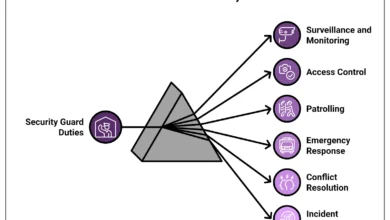
On the other hand, traditional guards typically patrol larger premises, often engaging in monitoring activities across expansive areas. Their responsibilities may extend beyond mere surveillance; they are trained to respond to incidents, conduct investigations, and manage access control, often working inside and outside of buildings. This role can involve significant interaction with law enforcement and emergency services. While their demeanor may lean toward authority, their ultimate goal is to ensure the safety of those within the vicinity.
Both front-of-house security and traditional guards are pivotal in upholding safety standards across various settings, including corporate offices, retail establishments, and public spaces. Their presence not only deters potential threats but also fosters a sense of security among employees and customers. As organizations evolve to face new security challenges, understanding the unique attributes and functions of these two types of security personnel becomes increasingly important. The distinction between these roles emphasizes the need for tailored security solutions that effectively address specific situational demands while maintaining a focus on the safety and well-being of all individuals in the environment.
Key Differences Between Front-of-House Security and Traditional Guards
When examining the realm of security personnel, it is essential to distinguish between front-of-house security and traditional guards, as they perform fundamentally different roles. Front-of-house security is typically stationed in areas where they can engage directly with the public, such as lobbies, entrances, and reception areas. Their primary function is often to create a welcoming atmosphere while simultaneously maintaining order. This approach necessitates a distinct set of skills which emphasizes communication, customer service, and conflict resolution.
Subscribe to CHARLES GROUP SECURITY LTD!
Get updates on the latest posts and more from CHARLES GROUP SECURITY LTD straight to your inbox.Subscribe
We use your personal data for interest-based advertising, as outlined in our Privacy Notice.
In contrast, traditional guards generally operate in a more reactive capacity. Their duties often revolve around monitoring premises from a distance, conducting regular patrols, and responding to incidents as they arise. While they are trained to manage security breaches, their emphasis is often on surveillance and enforcement, which may lead to interactions that are perceived as more authoritative or intimidating.
The training received by these two groups further underscores their differences. Front-of-house security personnel typically undergo training programs that include customer service, crisis management, and de-escalation techniques. This equips them to handle potential security threats while maintaining a positive environment for patrons or visitors. Conversely, traditional guards tend to focus on situational awareness and law enforcement protocols, preparing them for a more formulaic approach to security incidents.
Interaction with the public is another area where front-of-house security significantly differs from traditional guards. The former engages with individuals frequently, building rapport, and establishing a sense of trust. This proactive engagement can deter criminal activity, as potential wrongdoers may be less likely to act within sight of approachable security personnel. Traditional guards, however, may have limited interaction with the public, often resulting in a barrier that could hinder effective communication during emergencies.
Advantages of Front-of-House Security
Front-of-house security personnel play a crucial role in any establishment, offering distinct advantages that traditional security guards may not provide. Primarily, front-of-house security can enhance customer service and create a positive visitor experience. Unlike conventional guards, these professionals are often trained not only in security protocols but also in hospitality, enabling them to greet guests warmly, attend to inquiries, and provide directions. This dual focus on safety and customer interaction fosters an environment where visitors feel valued and welcomed.
Moreover, front-of-house security excels in managing visitor flows. They are strategically positioned to monitor entrances and exits, ensuring smooth traffic management in busy environments such as hotels, hospitals, or corporate offices. This capability reduces congestion and enhances accessibility, allowing for a seamless experience for both guests and staff. Their proactive approach is particularly advantageous during peak hours, events, or emergencies, where orderly management is paramount.
The presence of front-of-house security also contributes significantly to the perception of safety. Their visible role serves as a deterrent to potential disruptive behavior and can enhance the overall security posture of an establishment. For instance, in situations where a guest becomes unruly or confrontational, front-of-house personnel are trained to de-escalate situations while maintaining a friendly demeanor, thereby safeguarding the peace without alarming other patrons.
Furthermore, in settings where the establishment aims to project a specific image, such as upscale hotels or luxury retail stores, front-of-house security plays a vital part in shaping the ambiance. Their attire is often more polished than traditional security uniforms, aligning with the brand’s image and creating a cohesive aesthetic. This attention to detail not only reinforces the establishment’s commitment to quality service but also enhances customer confidence.
Benefits of Traditional Guards
Traditional security guards offer numerous benefits that make them a vital component of various security strategies. Their physical presence serves as a significant deterrent to potential criminal activities, ensuring that premises are less likely to be targeted by individuals with ill intentions. This visible element helps foster a sense of safety among employees and visitors, ultimately contributing to a secure environment.
One of the key advantages of traditional guards is their expertise in conflict de-escalation. Trained security personnel possess the skills necessary to manage confrontational situations and resolve disputes before they can escalate into violence or other serious incidents. For instance, in a retail setting, a security guard might encounter a situation involving a customer dispute over a return. Instead of simply intervening aggressively, a well-trained guard can engage in dialogue, thereby diffusing tension and maintaining a peaceful atmosphere.
Additionally, traditional guards are equipped to respond effectively to emergencies. Their training often encompasses various emergency protocols, including first aid, fire safety, and evacuation procedures. In a recent incident at a corporate office, a security guard’s quick thinking during a sudden fire alarm allowed for a swift evacuation of all personnel, ensuring everyone’s safety. Such prompt responses can be critical in life-threatening situations.
Moreover, traditional guards can provide personalized service tailored to specific environments. For example, in a high-end residential community, guards can develop relationships with residents, enhancing security visibility and contributing to a comfortable living environment. This relationship-building fosters trust and allows for a tailored approach to security that addresses the unique needs of the community.
Suitability of Each Security Type for Different Environments
When evaluating security solutions, the suitability of front-of-house security and traditional guards largely depends on the specific environment and the unique security challenges posed by each setting. Corporate offices, for instance, often require stringent access control and a professional presence to manage both employees and visitors. Front-of-house security personnel, who often serve as the first point of contact, can effectively monitor access points and enforce security protocols, thereby creating a safe and welcoming atmosphere for business operations.
Subscribe to CHARLES GROUP SECURITY LTD!
Get updates on the latest posts and more from CHARLES GROUP SECURITY LTD straight to your inbox.Subscribe
We use your personal data for interest-based advertising, as outlined in our Privacy Notice.
In retail environments, the dynamics change significantly. Retail stores often face the threat of shoplifting and require a security approach that blends visibility with customer service. Front-of-house security can act as a deterrent against theft while also enhancing the shopping experience by assisting customers. In this setting, traditional guards might be less effective due to their potential to create an intimidating atmosphere, which could discourage patrons. Hence, a front-of-house approach is more useful in fostering a non-threatening environment while maintaining security.
Event settings, such as concerts or conventions, demand a flexible and dynamic security solution. Front-of-house security can efficiently handle crowd management, providing vital assistance during entry and exit, and responding swiftly to emerging situations. Their ability to communicate effectively with attendees vastly improves the security outcome. Conversely, traditional guards may be more appropriate in places where presence alone is required, such as in residential areas where their role focuses on monitoring and patrolling, aimed at deterring crime.
Ultimately, the choice between front-of-house security and traditional guards must be informed by specific environmental needs, the anticipated risks, and the desired level of customer interaction. Each approach offers unique strengths that can effectively contribute to security outcomes when applied in suitable contexts.
Cost Considerations: Front-of-House Security vs. Traditional Guards
When evaluating the costs associated with front-of-house security compared to traditional guards, several key factors must be taken into account. One of the primary considerations is the salary associated with each type of security personnel. Traditional guards often command a higher wage, particularly if they are required to have specific qualifications or certifications. This wage differential can significantly influence the overall operational costs of hiring security personnel.
In contrast, front-of-house security personnel may be tasked with various roles which can be reflected in their pay structures. These employees may not always require extensive training or certification compared to their traditional counterparts, resulting in lower salary expenses. However, it is essential to note that while lower initial salaries may seem cost-effective, the overall effectiveness and efficiency of the security provided by each option should also be assessed.
Training costs are another critical aspect of the financial comparison between these two security approaches. Traditional guards often undergo rigorous training programs, which may include defensive tactics, emergency response protocols, and legal proceedings. These extensive training requirements can lead to a higher upfront investment. Conversely, front-of-house security teams might require less formal training, depending on the nature of their duties and the environment in which they operate, thus presenting an opportunity for reduced training expenses.
Additionally, the equipment necessary for each option also contributes to the overall cost implications. Traditional guards may require uniforms and gear that meet specific industry standards, leading to further expenses. In juxtaposition, front-of-house security personnel are often in roles that blend customer service with safety, potentially minimizing the need for expensive equipment.
Ultimately, analyzing the return on investment for each security option will provide insights into the long-term financial implications. A comprehensive evaluation of these cost factors will aid businesses in making informed decisions regarding their security personnel and strategies.
Case Studies: Successful Implementations of Both Security Styles
Effective security measures can determine the safety and overall success of an organization. Both front-of-house security and traditional guards have proven their effectiveness in varying environments. This section explores notable case studies highlighting the successful implementation of these two security styles in different organizations.
One illustrative case is that of a high-end luxury hotel that adopted front-of-house security strategies. Employing a team of professional security personnel trained in customer service and conflict resolution, the hotel’s approach focused on creating a welcoming atmosphere while ensuring guest safety. The security team was strategically positioned at entrances and lobbies, where guests could easily interact with them. Following this implementation, the hotel reported a significant decrease in incidents of theft and disturbances, showcasing the effectiveness of integrating security staff into the guest experience.
Subscribe to CHARLES GROUP SECURITY LTD!
Get updates on the latest posts and more from CHARLES GROUP SECURITY LTD straight to your inbox.Subscribe
We use your personal data for interest-based advertising, as outlined in our Privacy Notice.
In contrast, a large corporate office building turned to traditional security guards to address a series of property breaches. The organization decided to implement a 24/7 guard presence at all access points after an assessment indicated that unauthorized entry was primarily occurring during off-hours. This approach allowed for immediate response capabilities, surveillance, and monitoring of employee access. The results were noteworthy, as the office reported zero incidents of unauthorized access following the implementation, demonstrating the effectiveness of a traditional security presence in deterring criminal behavior.
Furthermore, a retail chain opted for a hybrid model, combining front-of-house security with traditional guards. This model allowed for proactive customer engagement while still providing rigorous security measures. The integration of these two styles resulted in increased customer satisfaction and reduced theft incidents, illustrating the benefits of employing a multifaceted security approach.
These case studies underline the importance of tailoring security solutions to suit specific organizational needs. By analyzing the strengths and weaknesses of both front-of-house security and traditional guards, employers can strategize effectively to enhance safety and operational efficiency.
Future Trends in Security: Evolving Roles of Security Personnel
The security landscape is undergoing significant transformation as advancements in technology reshape the roles and responsibilities of security personnel. As systems become increasingly complex, the demand for security personnel who can adapt to these changes is paramount. The introduction of artificial intelligence (AI), machine learning, and smart surveillance systems has altered the way security is delivered, making these technologies essential components in both traditional and front-of-house security settings.
Moreover, the integration of biometric authentication methods and sophisticated data analytics has resulted in a shift in focus for security professionals. Rather than merely monitoring physical premises, today’s security personnel must also understand and manage digital threats. This trend requires them to be trained not just in physical security protocols, but also in cybersecurity measures, thus broadening their skill set beyond traditional borders.
Another significant aspect of the evolving security landscape involves changing expectations from businesses and consumers. There is a growing demand for more proactive and customer-centric security solutions. Front-of-house security personnel are increasingly tasked with enhancing customer experiences while maintaining safety protocols. This necessitates a more nuanced approach to security, where communication, conflict resolution, and customer service skills are just as important as surveillance and monitoring abilities.
Furthermore, as businesses strive to create open, welcoming environments for their clients, the visual presence of security personnel plays a crucial role. This role emphasizes the importance of professionalism, approachability, and training in public interaction, which can substantially enhance the overall perception of safety in a business setting.
As we look toward the future, it is evident that both traditional guards and front-of-house security firms must evolve continuously, embracing technological advancements and changing public expectations to remain relevant and effective in an era where security needs are rapidly changing.
Conclusion: Choosing the Right Security Solution for Your Needs
In the evolving landscape of security, businesses face the crucial task of selecting the most effective protection strategy tailored to their specific needs. Throughout this discussion on front-of-house security versus traditional guards, several key points have been highlighted to aid in this decision-making process.
Subscribe to CHARLES GROUP SECURITY LTD!
Get updates on the latest posts and more from CHARLES GROUP SECURITY LTD straight to your inbox.Subscribe
We use your personal data for interest-based advertising, as outlined in our Privacy Notice.
Firstly, understanding the unique security requirements of an environment is imperative. Front-of-house security offers a modernized approach that often includes advanced technology, which can enhance responsiveness and threat management. This type of security emphasizes the importance of engagement with customers and staff while maintaining a vigilant watch over premises. On the other hand, traditional security guards bring a human element to protection, leveraging their physical presence to deter crime and provide immediate assistance when necessary.
Secondly, factors such as the nature of the business, location, and the type of threats faced should be carefully evaluated. For instance, establishments that deal with high traffic or sensitive customer information may benefit more from front-of-house security, which integrates surveillance systems and fosters an immediate response to incidents. However, businesses that require a personal touch and close interaction with clients may find traditional guards more suitable.
Ultimately, the choice between front-of-house security and traditional guards hinges on a thorough assessment of specific conditions, security objectives, and budgetary constraints. By weighing these considerations, decision-makers can ensure that the chosen security solution not only aligns with their operational goals but also effectively safeguards their assets and personnel. Making an informed decision will enhance the overall safety, security, and customer experience within any business environment.