
Introduction to Industrial Security Services
Industrial security services play a crucial role in safeguarding both physical and intellectual property within various sectors. These services encompass a wide range of protective measures and strategies designed to mitigate risks associated with theft, vandalism, and various forms of industrial espionage. As businesses increasingly rely on technology and complex supply chains, the need for robust security solutions has become more pronounced, ensuring that valuable assets are protected against potential threats.
Industries such as manufacturing, pharmaceuticals, and energy production are particularly vulnerable to security breaches. For example, manufacturing facilities often contain significant physical assets, equipment, and proprietary information, making them prime targets for theft and sabotage. Similarly, the pharmaceutical sector must protect sensitive research data and production processes from competitors. Moreover, energy production facilities are critical infrastructures, requiring stringent security measures to prevent any disruptions that could impact national safety and security.
The common threats faced by industrial facilities range from unauthorized access and data breaches to physical damage and loss of proprietary information. Cybersecurity breaches are increasingly relevant, as industrial control systems become more connected and susceptible to attacks. Therefore, companies must be proactive in addressing these risks by implementing comprehensive industrial security services that include access control, surveillance systems, and employee training programs.
In light of these concerns, understanding the importance of industrial security services is imperative. Such services not only protect assets but also enhance operational efficiency and build stakeholder confidence. In the following sections, we will delve deeper into specific industrial security solutions, outlining their significance and best practices to ensure comprehensive protection against multifaceted threats.
Types of Industrial Security Services
Industrial security services encompass a range of solutions essential for safeguarding assets, personnel, and operational integrity within various sectors. The four primary types of industrial security services include manned guarding, surveillance, access control, and fire safety, each tailored to meet specific security needs.
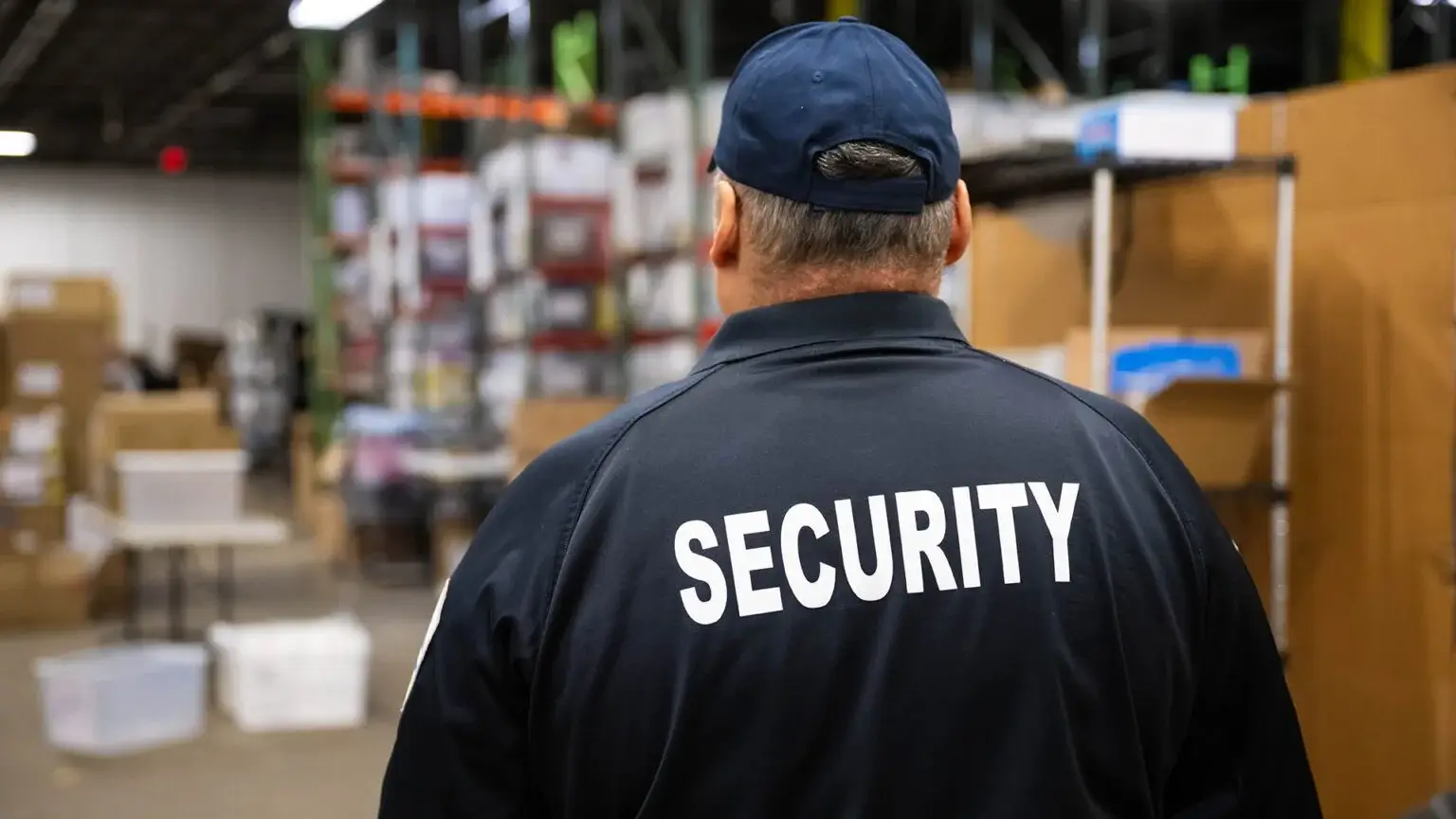
Manned Guarding: This service involves the deployment of security personnel to oversee and protect a facility. Manned guards are instrumental in monitoring activities, deterring criminal behavior, and acting as first responders in emergencies. For example, in a manufacturing plant, guards can screen employees and visitors, ensuring unauthorized personnel do not access sensitive areas.
Surveillance: Surveillance services utilize monitoring technology, including CCTV cameras, drones, and motion detectors, to observe activities within industrial premises. These systems enhance security by providing real-time data and recorded video footage that can be scrutinized to detect suspicious behavior. In warehouses, surveillance systems can identify potential theft and operational inefficiencies.
Access Control: This service regulates who can enter specific areas of a facility, often involving the use of keycards, biometric scanners, or security codes. Access control is vital for protecting confidential information and critical infrastructure. For instance, in a chemical manufacturing setup, restricted access can prevent unauthorized entry to sensitive zones, thereby ensuring safety and compliance.
Fire Safety: Industrial settings must also prioritize fire protection services that include fire alarms, extinguishers, and emergency response training. Regular assessments of fire safety equipment and procedures help avert potential disasters. For example, in factories, the implementation of fire safety protocols can mitigate risks associated with flammable materials.
Risk Assessment: Conducting thorough risk assessments is crucial for identifying vulnerabilities within an industrial facility. This service involves evaluating potential threats and implementing appropriate strategies to mitigate risks. A manufacturing company might undertake regular risk assessments to enhance overall security measures and ensure compliance with industry regulations.
Importance of Security Risk Assessment
In the realm of industrial security, security risk assessment serves as a foundational element that enables organizations to safeguard their assets effectively. This process involves identifying potential vulnerabilities, assessing the likelihood of these risks occurring, and determining the impact they could have on operations. By understanding these factors, companies can implement robust measures tailored to mitigate the identified risks.
The risk assessment process is typically structured into distinct stages, beginning with the identification of assets that require protection. These assets can range from physical equipment and facilities to intellectual property and personnel. Once assets are categorized, the next step involves identifying potential threats and vulnerabilities that could compromise their security. This phase is crucial, as it sets the stage for the analysis of risks that could affect operational continuity.
After identifying threats, the assessment moves to evaluating the likelihood of these threats materializing and the potential consequences if they were to occur. This qualitative and quantitative analysis helps in prioritizing risks, allowing organizations to focus on those that pose the greatest danger. Finally, the last stage involves developing strategies and action plans to counteract the identified risks effectively. By implementing security controls and protocols, organizations can not only protect their assets but also ensure compliance with regulatory requirements.
The significance of conducting thorough security risk assessments cannot be overstated. They act as a roadmap for organizations seeking to bolster their security infrastructure while also optimizing resources. In a constantly evolving landscape of threats, regular assessments are essential to adapt and maintain a resilient security posture. Ultimately, effective risk assessment empowers businesses to operate with greater confidence and reduced susceptibility to security breaches.
Technology in Industrial Security
The landscape of industrial security has significantly evolved due to advancements in technology, providing a more comprehensive and effective security framework. Among the most prominent technological solutions are Closed-Circuit Television (CCTV) systems. These systems not only facilitate real-time monitoring of facilities but also support recorded footage for subsequent investigations. High-definition cameras can cover larger areas and ensure clarity, enabling security personnel to identify potentially suspicious activities. Additionally, modern CCTV systems can be integrated with artificial intelligence, allowing for the automatic detection of anomalies or unusual behavior, which enhances the overall response capability of security teams.
Moreover, alarm systems have undergone remarkable transformation. Today’s alarm systems are often wireless, offering greater flexibility and ease of installation. They can be programmed to not only detect unauthorized access but also monitor environmental hazards such as fire and gas leaks. The integration of these systems with mobile applications allows security personnel and business owners to receive real-time notifications and alerts, ensuring prompt action can be taken in case of emergencies.
Cybersecurity measures are also a critical aspect of modern industrial security services. Given the increasing reliance on interconnected systems, protecting sensitive information and operational technology from cyber threats has become paramount. Implementing robust firewalls, intrusion detection systems, and regular software updates can safeguard against potential breaches. Furthermore, employee training programs on cybersecurity practices contribute significantly to creating a culture of security awareness within organizations.
In summary, the integration of advanced technology into industrial security not only enhances traditional measures but also introduces innovative solutions that fortify security protocols against evolving threats. By leveraging technologies like CCTV systems, modern alarm systems, and cybersecurity strategies, businesses can establish a more resilient security environment, ensuring the safety of their operations and assets.
Implementing Security Protocols
Creating and enforcing security protocols in an industrial setting requires a systematic approach to ensure the efficacy of operations and the safety of personnel. The first step in establishing these protocols is to conduct a comprehensive risk assessment. This assessment identifies potential threats and vulnerabilities within the facility, providing crucial insights that shape the development of tailored security measures.
Once the risk assessment is complete, organizations can formulate security protocols that address identified risks. These protocols should encompass various aspects, including access control, surveillance, emergency response, and incident management. To effectively implement these protocols, it’s essential to involve all stakeholders, including management, security personnel, and staff members, during the development phase.
Staff training plays a pivotal role in the implementation phase. Employees must be thoroughly educated on the established protocols, as their understanding and compliance are vital for maintaining security. Training sessions should cover relevant topics such as recognizing suspicious behavior, proper use of security equipment, and protocols for emergency situations. Tailored training programs can enhance employee awareness and preparedness, significantly contributing to overall security.
Another critical component of effective security protocol implementation is response planning. Organizations should develop clear response plans for various emergencies, ensuring that every employee knows their responsibilities in these scenarios. Regular drills and simulations are recommended to evaluate the effectiveness of response plans and ensure staff readiness.
Lastly, routine evaluations of security protocols are necessary to maintain efficacy over time. Regular audits and reviews allow organizations to identify areas for improvement and adapt to evolving threats. By continually refining security protocols through regular assessments and updates, businesses can ensure ongoing safety and security in their industrial environments.
Challenges in Industrial Security
Industrial security professionals face numerous challenges that can impede their ability to safeguard facilities and assets effectively. One of the most significant issues is workforce management. Maintaining a skilled and reliable security team is essential, yet many organizations struggle with retention and recruitment. High turnover rates can lead to gaps in security coverage and a lack of experienced personnel, resulting in vulnerabilities that adversaries may exploit.
Another challenge is budget constraints. Security programs often contend with limited financial resources, which not only affects personnel costs but also hinders investment in advanced technologies. Due to budget limitations, industries may find it difficult to implement comprehensive security measures, such as high-tech surveillance systems or advanced access control solutions. This reality necessitates the development of cost-effective strategies to allocate resources efficiently while ensuring that essential security functions are maintained.
Evolving threats pose a further complication. The landscape of industrial security is constantly changing, with cyber threats, physical breaches, and insider risks becoming increasingly sophisticated. Security professionals must stay informed of current trends and emerging risks, which can vary significantly depending on the industry sector. This responsiveness is essential, as it helps organizations to adapt their security plans and implement proactive measures to mitigate potential risks.
To overcome these challenges, companies should prioritize training and development programs aimed at enhancing the skill sets of their security personnel. Furthermore, leveraging technology can enhance efficiencies in monitoring and reporting, providing an additional layer of security without substantial increases in costs. Collaborative partnerships with law enforcement and other security agencies can also play a crucial role in sharing best practices and gaining insight into emerging threats. By addressing these challenges effectively, industrial security professionals can strengthen their defenses and ensure a more secure environment.
The Role of Security Personnel in Industries
In the realm of industrial security, the role of security personnel is paramount. These individuals not only safeguard physical assets but also ensure the safety of personnel and the continuity of operations. Security teams are responsible for monitoring entrances and exits, conducting regular patrols, and overseeing surveillance systems. Their vigilance helps deter unauthorized access and identify potential threats before they escalate into significant incidents.
Beyond mere surveillance, security personnel are trained to respond effectively to emergencies. This includes having a comprehensive understanding of safety protocols and crisis management procedures. They provide first response assistance and often collaborate with local law enforcement and emergency services. Moreover, their presence instills a sense of security among employees, fostering a productive work environment.
To be effective in their roles, security personnel must possess a variety of skills. Attention to detail is essential, as they must identify suspicious activities or potential risks that may go unnoticed by others. Communication skills are equally vital; they need to convey information clearly and coordinate with various departments during incidents. Additionally, conflict resolution and negotiation skills can prove invaluable in de-escalating volatile situations, ensuring that safety is maintained without escalating matters further.
The significance of a well-trained security team cannot be overstated. The effectiveness of industrial security hinges on the training and development of its personnel. Investing in ongoing education, simulations, and scenario-based training allows security teams to stay updated with the latest strategies and technologies in the field. This proactive approach enhances operational security, reduces risks, and ultimately protects the organization’s interests.
Case Studies: Successful Industrial Security Implementations
The importance of robust industrial security services cannot be overstated, as evidenced by several notable case studies that demonstrate effective strategies and outcomes. One such case study involves a major automobile manufacturing plant that faced persistent challenges related to employee safety and asset protection. The company recognized the necessity of implementing a comprehensive industrial security program, which included enhanced surveillance, access control systems, and employee training. Over the course of a year, the plant reported a significant reduction in unauthorized access incidents by 75% and improved employee morale due to heightened safety measures.
Another compelling case is that of a large pharmaceutical facility that was targeted by cyber threats due to its sensitive research data. The facility adopted advanced industrial security services by partnering with a cybersecurity firm that specializes in protecting industrial environments. Key strategies included the installation of firewalls, intrusion detection systems, and ongoing threat assessments. The results were remarkable; not only was the facility able to thwart multiple attempted breaches, but it also ensured compliance with industry regulations, ultimately safeguarding its sensitive information.
Furthermore, consider a food processing company that suffered from supply chain disruptions partially caused by inadequate security measures. By implementing a holistic industrial security framework, which encompassed both physical and cyber security strategies, the company improved its overall security posture. They established secure supply chain protocols, enforced stricter vendor vetting processes, and adopted real-time monitoring technology. The outcome was a streamlined operation, a 40% decrease in losses attributed to theft, and a marked improvement in supplier relationships.
These case studies serve as powerful examples of how effective industrial security implementations can lead to enhanced safety, reduced losses, and improved operational efficiency. By analyzing and learning from these successful experiences, companies can foster an environment that values security and sustains productivity.
Future Trends in Industrial Security Services
As the landscape of industrial security services continues to evolve, several key trends are anticipated to shape the future of this essential field. One of the most significant influences will be the integration of emerging technologies. Innovations such as artificial intelligence (AI), machine learning, and the Internet of Things (IoT) are expected to revolutionize how security services operate. For instance, AI-driven surveillance systems will enhance real-time monitoring capabilities, allowing for faster response times to potential threats. Furthermore, IoT devices can facilitate a networked approach to security management, where various systems communicate and collaborate to identify anomalies.
Alongside technological advancements, regulatory changes will also play a crucial role in shaping industrial security services. Governments and industry bodies are increasingly introducing stringent guidelines aimed at safeguarding sensitive information and ensuring the reliability of security systems. Companies will need to adapt quickly to comply with these evolving regulations, which may include data protection measures and standards for physical security technologies. This adaptability will be vital for organizations aiming to maintain their competitive advantage while ensuring compliance.
Moreover, societal shifts, particularly in relation to workplace safety and data privacy concerns, are expected to influence the focus of industrial security services. As public awareness regarding security issues escalates, companies will likely enhance their security measures to address employee and stakeholder concerns. This could lead to a more proactive security culture, where organizations invest in training and awareness programs to empower their workforce in recognizing and addressing security threats.
In conclusion, the future of industrial security services will be characterized by the convergence of technology, regulations, and societal expectations. As these elements intersect, organizations must remain vigilant and adaptable to ensure their security services can meet the demands of a rapidly changing environment.

