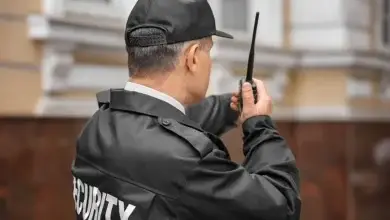

Introduction to Concierge Security Services
Concierge security services play a pivotal role in the safety and functionality of residential buildings. These services offer a blend of security measures and customer service, ensuring residents feel both secure and valued. The primary function of concierge security personnel is to monitor premises, control access, and assist residents in their daily activities, ultimately creating a harmonious living environment.
At the core of concierge security services is the personnel who are trained to handle various situations, from day-to-day management to emergency protocols. These professionals oversee entry and exit points, ensuring that only authorized individuals gain access to the building. This proactive approach significantly reduces the risk of unauthorized access and potential incidents, thereby enhancing the overall security infrastructure.
Beyond traditional security tasks, concierge personnel also contributes to the community atmosphere of residential buildings. They serve as a point of contact for residents, offering assistance with deliveries, receiving packages, and managing visitor access, which fosters a welcoming environment. The presence of trained concierge staff can also deter criminal activity, as their visibility and engagement with the residents provide an additional layer of protection.
Furthermore, concierge security services are designed to be adaptable, catering to the specific needs of each residential community. Their responsibilities can include monitoring security cameras, coordinating with local law enforcement, and implementing safety protocols, demonstrating the versatility of their role. In summary, concierge security services not only focus on preventing incidents but also enhance the overall living experience by prioritizing resident welfare and community spirit.
Benefits of Concierge Security Services
Concierge security services are increasingly recognized as a vital component of safety and comfort within residential buildings. One of the primary benefits of hiring a concierge security team is the significant improvement in resident safety. These trained professionals provide a visible security presence, which deters potential criminal activity and enhances the overall feeling of safety among residents. By maintaining a watchful eye on the premises, they can quickly respond to any security concerns or emergencies, thus ensuring a secure environment for all.
In addition to safety, concierge security offers a personalized service that caters to the specific needs of a residential community. Concierge staff are often trained not only in security protocols but also in customer service, enabling them to interact positively with residents and guests alike. This creates a welcoming atmosphere where residents feel valued and attended to. The ability to customize security measures based on community needs is a significant advantage, as it allows for greater adaptability in various situations.
Moreover, employing concierge security services contributes substantially to residents’ peace of mind. Knowing that trained professionals are on duty to monitor and manage security issues alleviates stress and concerns for homeowners. This increased sense of security directly correlates with an enhanced living experience, allowing residents to focus on their daily lives without the constant worry of potential threats. With concierge security services in place, residents can engage more fully in community activities, fostering a stronger sense of belonging and enhancing the overall quality of their living environment.
Understanding the Roles of Concierge Security Personnel
Concierge security personnel play a vital role in enhancing safety and security within residential buildings. These professionals are often the first point of contact for residents and visitors, managing entry and exit points effectively. They are responsible for controlling access to the premises, which involves greeting visitors, verifying identities, and ensuring that only authorized individuals are permitted entry. This vigilance helps to cultivate a secure atmosphere, minimizing the risk of unauthorized access and potential criminal activity.
Monitoring surveillance systems is another crucial responsibility of concierge security staff. They are trained to observe and analyze real-time footage from security cameras strategically placed throughout the building. By continuously monitoring these visual feeds, concierge personnel can quickly detect any unusual activities or incidents, allowing for rapid response to potential security threats. Moreover, their knowledge of the layout and operations of the building enhances their ability to respond effectively to emergencies.
In addition to their security duties, concierge personnel often assist residents with various needs, fostering a sense of community within the residential environment. This can include helping residents with packages, providing directions, or offering information about local services. Their approachable nature encourages residents to engage, contributing to a vigilant neighborhood culture. Furthermore, concierge staff are trained to handle emergencies, from medical issues to fire evacuations, ensuring that residents are well protected in critical situations.
Overall, the diverse roles of concierge security personnel are essential in ensuring a safe living environment within residential buildings. Their functions not only secure the premises but also enhance the overall quality of life for residents, creating a unified community that prioritizes safety and support.
Key Features of Effective Concierge Security Services
Concierge security services play a pivotal role in maintaining the safety and well-being of residents in residential buildings. To ensure the effectiveness of these services, several key features must be present. A fundamental aspect is the implementation of thorough background checks for staff prior to hiring. This process not only verifies the identity and qualifications of the personnel but also assesses any potential risks associated with their previous conduct, thus fostering a sense of trust among residents.
In addition to background checks, comprehensive training protocols are essential. Personnel must be well-equipped with knowledge and skills in emergency response, conflict resolution, and customer service. Effective training programs should also cover the operation of security technology. For instance, familiarizing staff with surveillance systems and access control measures enables them to respond efficiently to any security incidents that may arise.
Another crucial feature is the integration of advanced security technology. This encompasses the use of modern surveillance cameras, alarm systems, and communication devices, which enhance the effectiveness of concierge services. The ability to monitor activities in real-time and swiftly coordinate with emergency services is paramount in ensuring residents’ safety.
Furthermore, exceptional customer service expectations must be upheld by concierge personnel. They serve not only as security personnel but also as visible representatives of the building management. Their ability to engage and assist residents positively impacts the overall living experience and fosters a safe community environment. By being approachable and responsive, concierges can effectively mitigate issues before they escalate.
Ultimately, the collaboration of these features contributes to the establishment of efficient concierge security services that prioritize the safety and satisfaction of residents while creating a secure environment in residential buildings.
Case Studies of Successful Implementation of Concierge Security
Concierge security services have been effectively implemented in various residential buildings, leading to notable enhancements in security and resident satisfaction. One such case study comes from a luxury apartment complex situated in an urban area notorious for high crime rates. The property management faced numerous challenges, including theft and vandalism, prompting the need for improved security measures. By integrating concierge security, they provided a dedicated presence at the entrance and monitored access to the property effectively. As a result, the crime rate within the complex decreased by over 40% within the first six months of implementation, leading to a noticeable increase in resident satisfaction and security perception.
Another example is a mid-rise condominium association that grappled with frequent disputes among residents, often escalating into altercations. The board decided to hire concierge security personnel, not only to monitor physical security but also to mediate conflicts. This dual approach reshaped the resident experience. The concierge staff received training in conflict resolution, which allowed them to address disputes amicably before they escalated. This strategy not only improved community relations but also fostered a more harmonious living environment, leading to a 30% increase in overall resident contentment, as reflected in a subsequent satisfaction survey.
A third case highlights a gated community that initially struggled with unauthorized access and vehicle break-ins. Upon implementing concierge security services, the community incorporated a robust access control system, where the concierge monitored all vehicles entering the premises. The integration of advanced technology, such as intercom systems and surveillance cameras, further fortified the property. Within the first year, the community experienced a dramatic reduction in security breaches and an increase in residents’ peace of mind. Additionally, they reported much higher engagement in community activities, indicating a strengthened sense of safety and belonging.
Comparing Concierge Security with Traditional Security Services
In evaluating the effectiveness of security measures for residential buildings, it is essential to examine the distinctions between concierge security services and traditional security measures. Traditional security typically relies on personnel, such as security guards, alongside technological aids including Closed-Circuit Television (CCTV) systems. While these methods can offer a certain level of deterrence and monitoring, they often fall short in providing a comprehensive security solution catered to modern residential needs.
Concierge security services present a more nuanced and dynamic approach to security. Unlike traditional guards who may solely focus on surveillance, concierges engage with residents, fostering a sense of community while also enhancing safety. This multifaceted service not only addresses potential risks but also promotes a welcoming environment. Concierge security personnel often possess a deeper understanding of the residents’ dynamics and preferences, thereby enabling them to tailor security responses effectively.
Another advantage of concierge services is their proactive nature. Security concierges often serve as the first point of contact for residents, allowing them to identify and address concerns immediately. This interactive approach enhances residents’ peace of mind, as they feel more involved in their own security. Additionally, the integration of concierge services encourages better communication between residents and security, facilitating quicker response times in case of emergencies.
While the technological aspect of CCTV remains vital for monitoring, it lacks the interpersonal component introduced by concierge services. Cameras can document incidents but cannot engage with the community to defuse potential threats. Concierge security thus provides a blend of personalized service and vigilant oversight, making it a superior choice for contemporary residential buildings aiming to enhance safety and build community spirit.
Challenges Facing Concierge Security Services
Concierge security services play a vital role in ensuring the safety and security of residential buildings, yet they face numerous challenges that can affect their effectiveness. One prominent challenge involves staffing issues. The demand for qualified security personnel often exceeds supply, making it challenging to recruit and retain skilled professionals. High turnover rates can disrupt the continuity and cohesiveness of the security team, potentially impacting the service quality provided to residents.
Maintaining high service levels is another significant obstacle. Concierge security personnel are not merely tasked with monitoring the premises; they must also engage with residents in a friendly manner and respond to various requests. Striking the right balance between being vigilant and being approachable can be demanding. Continuous training is essential to ensure staff are well-equipped to handle various scenarios, including emergency situations and customer service inquiries, which can place additional burden on management resources.
Moreover, the security landscape is constantly evolving, with new threats emerging regularly. Concierge security services must adapt to these changing conditions, investing in updated training and technology to counteract potential risks. This adaptation might require acquiring new tools, such as surveillance technology or access control systems, which can lead to reinvestment in infrastructure and resources. Effective management of these challenges demands proactive strategies that include comprehensive training programs, competitive compensation to attract top talent, and regular communication with residents to ensure satisfaction and awareness of security measures in place.
In summary, the challenges facing concierge security services are multifaceted, but can be managed through strategic planning and a focus on continuous improvement, leading to a safer and more secure living environment for all residents.
Future Trends in Concierge Security Services
As urban living continues to evolve, concierge security services for residential buildings are witnessing significant transformations. One of the most notable trends is the integration of advanced technology. Smart home systems are becoming commonplace, allowing residents to control security features remotely through their smartphones. This includes video doorbells, smart locks, and surveillance cameras, enhancing safety while offering convenience. Moreover, the advent of artificial intelligence (AI) is revolutionizing the way concierge security operates. AI algorithms can analyze vast amounts of data from surveillance feeds to detect unusual activities in real time, allowing for immediate responses and a more proactive security approach.
Another important trend is the changing expectations of residents themselves. Nowadays, individuals seek more personalized service and a higher level of engagement from their concierge teams. Residents expect security personnel not only to safeguard their premises but also to provide a welcoming environment. This shift necessitates extensive training for concierge staff, equipping them with skills in customer service and conflict resolution, along with their traditional security protocols.
The aftermath of the COVID-19 pandemic has also highlighted the need for evolving safety protocols. The focus on hygiene and sanitation has led residential buildings to implement enhanced cleaning measures and contactless interactions wherever possible. Concierge services are likely to adopt health screening measures such as temperature checks and health declaration forms to ensure the safety of all residents. These adjustments are crucial in reassuring residents that their health and safety remain a priority.
In conclusion, the future trends in concierge security services are set to be defined by a combination of technological advancements, shifting resident expectations, and the imperative for enhanced health and safety measures. The synergy of these elements will undoubtedly shape the landscape of residential security in the years to come.
Conclusion and Recommendations
In summary, concierge security services play a vital role in enhancing the safety and overall living experience within residential buildings. The multi-faceted approach of these services, which includes constant surveillance, visitor management, and emergency response preparedness, significantly mitigates risks associated with crime and unwanted disturbances. With their unique capacity to provide personalized security solutions, concierge services stand out as a proactive measure for property managers who wish to prioritize the well-being of their residents.
Building managers contemplating the adoption or enhancement of concierge security services should consider several key recommendations. First, it is essential to assess the specific security needs of the community and the vulnerabilities that may exist. Engaging residents in this process can also provide valuable insights into their concerns and expectations from the security service.
Second, prioritizing high-quality training for concierge staff is critical. Properly trained personnel equipped with skills in conflict resolution, emergency response, and customer service can effectively manage a variety of situations, ensuring that security measures are executed professionally and efficiently.
Additionally, integrating advanced technology with concierge services can streamline operations and improve security outcomes. Utilizing tools such as surveillance cameras, access control systems, and mobile applications for real-time communication can enhance the efficiency and effectiveness of concierge services.
Ultimately, the choice to implement or upgrade concierge security services is an investment in the safety and satisfaction of residents. By addressing the evolving threats and nurturing a community-centric approach, building managers can create a secure and welcoming environment that not only attracts residents but also fosters a strong sense of belonging.