
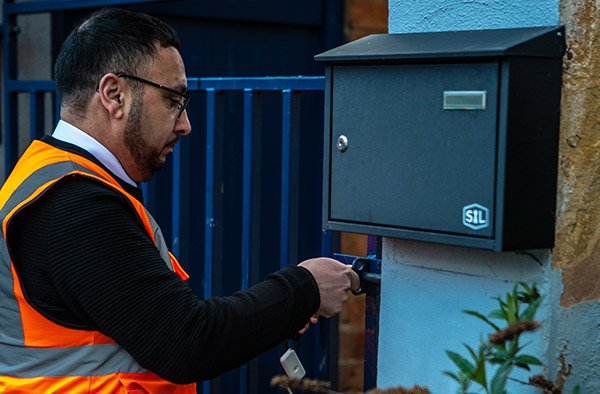
What is Keyholding?
Keyholding is a specialized service provided by security companies in which they take responsibility for holding and managing the keys to a property or premises. This service ensures that authorized personnel can access the site when necessary, especially in emergencies or during alarm responses. Keyholding is an essential part of a comprehensive security strategy, offering peace of mind for property owners and businesses alike.
One of the primary purposes of keyholding is to enhance the overall security measures implemented at a property. By having a designated security firm hold the keys, business owners and homeowners can rest assured that in the event of an alarm activation or any security breach, trained professionals will respond promptly. This aspect of keyholding reduces response times significantly compared to relying on the property owner or their staff—who may be unavailable or too far away to address the situation swiftly.
Additionally, keyholding provides convenience for property owners, as it alleviates the burden of always having to be on call or in a position to respond to alarms. For instance, when a burglar alarm is triggered, the security company can send trained personnel to the premises to assess the situation, manage any necessary actions, and relay pertinent information to the police if required. This arrangement not only streamlines the management process but also minimizes potential risks associated with unmonitored properties.
In summary, keyholding is a vital service that enhances security and provides convenience to property owners by entrusting key management to professional security firms. This proactive approach ensures security measures are consistently upheld and addresses emergencies with efficiency and expertise.
The Role of UK Security Services in Keyholding
In the context of keyholding, UK security services play a fundamental role in ensuring the safety and integrity of properties and assets. Keyholding involves the responsibility of safeguarding keys to residential homes, commercial buildings, and various types of facilities. Security personnel are entrusted with access to these keys, which allows them to respond efficiently to incidents such as alarms or breaches, maintaining a rapid and organized response to potential threats.
The operation of keyholding services requires personnel to possess a specific skill set. This includes a strong understanding of security protocols, excellent communication abilities, and a keen sense of vigilance. Trained security staff are adept at risk assessment; they can identify potential vulnerabilities and act accordingly to mitigate risks. Additionally, they must be familiar with various security technologies, such as alarm systems and surveillance cameras, enhancing their efficacy in monitoring and protecting properties.
Legal frameworks governing keyholding services in the UK are crucial to ensuring that operations adhere to national standards and regulations. Primarily, security services must comply with the Private Security Industry Act 2001, which mandates licensing for individuals involved in the security sector, including keyholding personnel. Furthermore, security companies must follow guidelines set forth by the Security Industry Authority (SIA), which ensures that only trained and vetted professionals undertake such responsibilities. This legal structure not only provides legitimacy to security firms but also instills confidence in clients regarding the safety and reliability of their services.
Overall, the role of UK security services in keyholding is multi-faceted, combining quick response capabilities with extensive training and adherence to legal standards. This synergy forms the backbone of secure environments for residential and commercial entities across the UK.
Benefits of Using Keyholding Services
Utilizing professional keyholding services provides a multitude of advantages for property owners and managers alike. One of the primary benefits is the assurance of rapid response times. When an alarm is triggered or suspicious activity is detected, keyholding services can promptly dispatch security personnel to the site, minimizing potential damages or losses. This swift action is crucial in preventing break-ins and ensuring the safety of the premises.
Furthermore, keyholding services offer professional management of security concerns. These services employ trained personnel who possess a wealth of experience in handling various security situations. This expertise not only enhances the effectiveness of the response but also alleviates the burden from property owners who may lack the necessary skills or knowledge in security matters. Professional keyholders are adept at assessing situations, implementing appropriate strategies, and maintaining order, all of which contribute to a safer environment.
Peace of mind is another significant benefit that stems from hiring keyholding services. Knowing that a team of professionals is available to react to emergencies can relieve stress for property owners. This assurance allows individuals to focus on other important aspects of their lives or businesses without the constant worry of property security. In addition, keyholding services often work in partnership with local law enforcement, further increasing the safety of the location.
Moreover, engaging keyholding services can result in potential insurance benefits. Many insurance providers offer discounts to property owners who employ monitored security services, thereby reducing overall insurance costs. This not only promotes the safety of properties but also provides a financial incentive for safeguarding assets effectively.
How Keyholding Works
Keyholding services play a pivotal role in ensuring the security of properties, especially for businesses and organizations that require reliable access control and emergency response protocols. The process begins with an initial consultation, wherein the client outlines their specific needs and concerns regarding security and key management. This discussion allows the service provider to develop a tailored approach that addresses any unique requirements.
Once the client’s needs are established, a comprehensive security assessment is conducted. This assessment examines the premises, identifies vulnerabilities, and determines the most effective keyholding strategy. The aim is to establish a secure key management system that can effectively safeguard the property while facilitating convenient access for authorized personnel.
Following the assessment, a formal agreement is established, detailing the terms of the keyholding service, including responsibilities, response times, and any additional services, such as alarm response or regular security checks. The service provider will then securely store the keys and maintain a detailed log of key access to ensure accountability.
In the event of an emergency, clients can expect an immediate response. Trained security personnel are dispatched to the location, equipped with the necessary keys to address any security breaches, alarms, or urgent situations. During this response, the personnel will assess the situation, secure the premises, and, if necessary, notify local law enforcement or emergency services.
Regular communication is a key aspect of effective keyholding services. Clients can anticipate ongoing updates regarding their security status, which may include scheduled visits and assessments to ensure that the keyholding system remains robust and reliable. This emphasis on communication enhances transparency and builds trust between clients and keyholding service providers, making it a critical component of modern security management.
Choosing the Right Keyholding Service
Selecting a reputable keyholding service is vital for ensuring the security of your property. There are several factors that should guide your choice to ensure that your premises are adequately protected. One key element to consider is certification. Reputable keyholding services should be certified by recognized industry bodies, ensuring that they adhere to specific standards of security and service. Check for certifications from organizations like the Security Industry Authority (SIA) or other professional bodies ensuring compliance with national security Acts.
Another important factor is response times. A quality keyholding service should guarantee a rapid response in the event of a security breach. When assessing potential providers, inquire about their average response times and how they manage emergencies. This information offers insight into the reliability of the service in real-life scenarios, which is critical for maintaining the safety of your property.
Reliability is also paramount. Look for a service that has a proven record of dependable service. This can often be evaluated through customer reviews and testimonials. Research online to find feedback regarding the experiences of previous clients with the keyholding service you are considering. Positive reviews and high ratings from existing customers can indicate a trustworthy service provider.
Finally, it is advisable to compare pricing among different keyholding services. While cost should not be the sole determining factor, it is important to find a balance between affordability and quality. Remember that investing in a reputable, reliable keyholding service can ultimately save you from potential losses due to security breaches. Conducting thorough research will empower you to make an informed decision that aligns with your security needs and budget.
Case Studies of Effective Keyholding
In the realm of security services, keyholding has proven to be an invaluable asset in protecting properties from potential thefts and emergencies. Numerous case studies highlight the effectiveness of these services in facilitating timely responses and safeguarding assets. For instance, a retail store located in a busy shopping district partnered with a keyholding service to enhance its security measures. One night, an alarm was triggered at the store after closing hours. Thanks to the prompt response from the keyholding service, a trained officer arrived on site within minutes. Their quick assessment revealed an attempted break-in, which could have resulted in significant financial loss had the intruder succeeded. The presence of the officer deterred any further actions from the intruder.
Another notable case involved a medical facility that utilized keyholding services to manage its sensitive equipment and medications. During a routine inspection, the emergency response team conducted a simulated break-in scenario to assess readiness. The keyholding service maintained strict protocols for responding to alarms, which included immediate communication with local law enforcement. In this instance, their effective collaboration reduced response time to mere minutes, allowing authorities to secure the facility without any loss of vital resources.
Moreover, a series of successful interventions highlighted the versatility of keyholding services. For example, a construction site that was previously plagued by material theft initiated a keyholding contract. The keyholding officers conducted regular patrols and monitored access points, leading to the capture of several individuals attempting to steal equipment. Such proactive measures not only prevented theft but also cultivated a sense of safety among workers. These case studies underscore the integral role of keyholding services in enhancing security and preventing losses associated with burglary and emergencies.
Regulatory and Legal Considerations in Keyholding
Keyholding services in the UK are subject to a framework of regulatory and legal considerations that ensure safety and security responsibilities are adhered to by security firms. At the core, there is a legal necessity for keyholding companies to possess a specific license issued by the Security Industry Authority (SIA). The SIA regulates the private security industry to ensure the professional standards of security services, including keyholding, are maintained.
To obtain an SIA license, firms must demonstrate compliance with stringent training and background checks for their staff, guaranteeing that they are fit for the responsibilities they undertake. This regulation safeguards clients by ensuring that only qualified personnel handle keyholding tasks, particularly when accessing premises outside regular hours.
Furthermore, critical legal frameworks such as the Health and Safety at Work Act impose responsibilities on keyholding companies regarding the safety of both their employees and the premises they protect. This includes having adequate insurance coverage in place, such as public liability insurance, to protect against potential claims arising from damages or accidents during keyholding operations. Without proper insurance, security firms could face significant financial liabilities, influencing their operating legitimacy.
Security firms are also obliged to meet local regulations which may vary depending on the jurisdiction within the UK. Compliance with data protection laws, notably the General Data Protection Regulation (GDPR), is crucial since keyholding might involve managing sensitive information related to clients and properties secured. Thus, comprehensive record-keeping and security protocols must align with legal requirements surrounding data privacy.
In conclusion, the obligations surrounding keyholding in the UK emphasize a complex interplay of licensing, insurance, and regulatory frameworks designed to protect clients, employees, and the security industry as a whole. Understanding these nuances is essential for firms wishing to operate within the legal team of keyholding services in the UK.
Costs Associated with Keyholding Services
When considering keyholding services in the UK, potential clients must be aware of the various costs that can factor into the overall expenditure. Typically, keyholding providers offer services based on a tiered pricing model, which may include a range of options tailored to different needs. The base fee can vary significantly depending on the provider, the level of service offered, and the geographical location.
One of the primary components influencing costs is the number of properties for which keyholding services are required. If a commercial entity operates multiple sites, the service provider might offer discounts on bulk keyholding as opposed to contracts for single locations. Additionally, the frequency of service calls—whether clients need on-demand access or scheduled visits—can affect pricing structures.
Another critical factor is the security measures and protocols employed by the keyholding service. Enhanced services, such as biometric identification or advanced alarm systems integration, generally incur higher fees. Clients should also assess the company’s response time and the qualifications of its staff, as experienced professionals may command a premium but can provide a greater sense of security.
Furthermore, it is essential to consider any additional costs that may arise, such as fees for emergency callouts or after-hours services. These unanticipated expenses can accumulate, making it vital for clients to discuss all potential costs transparently with providers during initial consultations.
Ultimately, assessing the value for money from keyholding services involves weighing the cost against the peace of mind provided. A thorough analysis of available options, including customer reviews and the provider’s reputation, can guide businesses and individuals in making an informed decision that aligns with their security needs and budgetary constraints.
Future Trends in Keyholding Services
The evolution of keyholding services within the United Kingdom security landscape is profoundly influenced by emerging trends related to technology, regulatory changes, and evolving security threats. One of the most significant advancements is the integration of smart locks and remote access solutions. These technologies enhance security by enabling users to manage access digitally. For instance, smart locks can be programmed to provide temporary access codes for specific timeframes, reducing the risk of lost or duplicated keys. As such advancements continue to gain traction, traditional keyholding methods may diminish in favor of more sophisticated electronic solutions.
In addition to technological innovations, the regulatory environment governing security services is also changing. As the government continues to respond to emerging security threats, including cyber threats and the increasing complexity of physical security needs, regulations are likely to become more stringent. This may necessitate higher standards for keyholding practices, compelling security service providers to adapt and enhance their operations, ensuring compliance with new legal requirements. Therefore, those on the frontlines of keyholding must remain vigilant, evolving in tandem with new legislation.
Furthermore, the nature of security threats is rapidly changing. Challenges such as organized crime, corporate espionage, and unpredictability in physical threats require proactive measures from keyholding services. Greater emphasis on risk assessment and tailored security plans will likely become the norm to address these unique vulnerabilities. Future trends may also see increased collaboration between keyholding services and technology firms to develop responsive systems that can anticipate and mitigate security risks effectively.