
Understanding the Layered Defence Model of UK Security Services for Enhanced Perimeter Security

Introduction to Perimeter Security
Perimeter security is a critical aspect of any security strategy, serving as the first line of defense in safeguarding both commercial and residential properties. The primary objective of perimeter security is to create a physical barrier that deters intruders, protects valuable assets, and ensures the overall safety of individuals and property. By implementing various measures, such as fences, walls, and surveillance systems, organizations and homeowners can significantly enhance their security profile.
The importance of perimeter security cannot be overstated. In a world where theft, vandalism, and unauthorized access are prevalent concerns, effective perimeter security becomes essential. Not only does it protect physical assets from intrusion, but it also contributes to a sense of safety and well-being for occupants. A secure perimeter can discourage potential intruders, making it less likely for them to attempt unlawful entry. In commercial settings, this can lead to reduced loss and lower insurance premiums, while for residential properties, it fosters peace of mind for the inhabitants.
Additionally, perimeter security aids in managing access to controlled areas, allowing for the monitoring of who enters and exits premises. Advanced technologies such as motion detectors, video surveillance, and automated access control systems can provide even greater protection by alerting residents or security personnel to any suspicious activity. Overall, perimeter security plays a pivotal role in establishing a comprehensive security strategy that combines physical barriers with technology-driven monitoring solutions.
As the landscape of security threats continues to evolve, understanding the principles of perimeter security and its applications is vital for both private individuals and organizations. With the right measures in place, the integrity of a property can be substantially improved, leading to a safer environment for everyone involved.
Overview of UK Security Services
The security landscape in the United Kingdom has evolved significantly over the years, influenced by both internal and external factors. The primary institutions charged with ensuring the nation’s security include the Security Service (MI5), the Secret Intelligence Service (MI6), and various local police forces. Each of these organizations plays a crucial role in the layered defense model that underpins UK security strategies.
MI5, established in 1909, focuses primarily on domestic security, monitoring threats such as terrorism, espionage, and organized crime. It is tasked with safeguarding the UK against individuals or groups that might undermine the nation’s stability and public safety. The agency relies on intelligence gathering and analysis to preempt potential threats, collaborating closely with local police and international partners.
On the other hand, MI6, or the Secret Intelligence Service, is predominantly concerned with international issues. It collects foreign intelligence to support UK foreign policy and national security objectives. MI6 plays a pivotal role in counter-terrorism efforts abroad and deals with intelligence operations across the globe, providing crucial information needed for informed decision-making by government entities.
Local police forces complement the functions of MI5 and MI6 by maintaining law and order within their respective jurisdictions. Their responsibilities include crime prevention, community engagement, and emergency response. Local forces collaborate with the national security agencies to share intelligence and implement safety measures tailored to community needs.
In summary, the interplay between MI5, MI6, and local police forces forms a comprehensive framework for maintaining security in the UK. Each organization contributes unique expertise and resources, allowing for a multifaceted approach to crime prevention and national security, thereby reinforcing the broader objective of protecting citizens and upholding public safety.
Understanding the Layered Defence Strategy
The concept of layered defence is a critical framework employed by UK security services to ensure robust perimeter security. At its core, this strategy advocates the implementation of multiple protective measures that work synergistically to shield an organization from various threats. By integrating different security layers, organizations can create a resilient defensive posture that effectively mitigates risks.
The primary components of a layered defence strategy include physical barriers, technology, personnel, and procedural safeguards. Physical barriers represent the initial line of defence and encompass elements such as fences, walls, and gates. These structures deter unauthorized access while signalling to potential intruders that the area is safeguarded.
In conjunction with physical barriers, technology plays a pivotal role in enhancing perimeter security. Advanced surveillance systems, alarms, and access control technologies serve as deterrents while providing real-time monitoring capabilities. These technological tools not only allow for swift detection of intrusions but also facilitate comprehensive incident reporting and response. The importance of personnel cannot be overstated; trained security personnel act as a vital line of defence. Their presence not only deters criminal activity but ensures a human element in risk assessment and incident handling.
Procedural safeguards complement these other layers, involving established protocols and training programs to ensure that all personnel are aware of security measures and how to react during incidents. These procedures should be regularly updated and exercised through drills to maintain a high level of preparedness.
Ultimately, a well-coordinated layered defence strategy equips organizations to handle potential threats effectively. The deliberate integration of various layers enhances perimeter security, creating an environment that minimizes vulnerabilities and fosters a proactive security culture.
Physical Barriers in Perimeter Security
Physical barriers play a crucial role in perimeter security by deterring unauthorized access and protecting sensitive areas from intrusions. Common types of physical barriers include fences, walls, and gates, each designed to serve specific security needs. For instance, chain-link fences provide visibility while offering a basic level of deterrence, whereas solid walls can provide a higher degree of protection against forced entry and visual intrusion.
Fences are often the first line of defense; they come in various heights, materials, and designs. Barbed wire, concertina wire, and electric fences can be added to enhance protection further. It is essential, however, to choose the appropriate type of fence based on the specific security requirements of the area. Installation should follow best practices, which include ensuring adequate depth and securing any necessary permits. Additionally, regular maintenance is vital to ensure the fence remains effective over time; this includes checking for rust, damage, or penetration points.
Walls, typically made from concrete or masonry, provide a more robust solution for perimeter security. They can obstruct visibility, making it challenging for intruders to assess vulnerabilities. The construction of these walls must adhere to structural standards, and considerations should be made for height, thickness, and the overall design to prevent scaling or breaching. The periodic inspection of walls is essential to identify any cracks, erosion, or vegetation that could aid in unauthorized access.
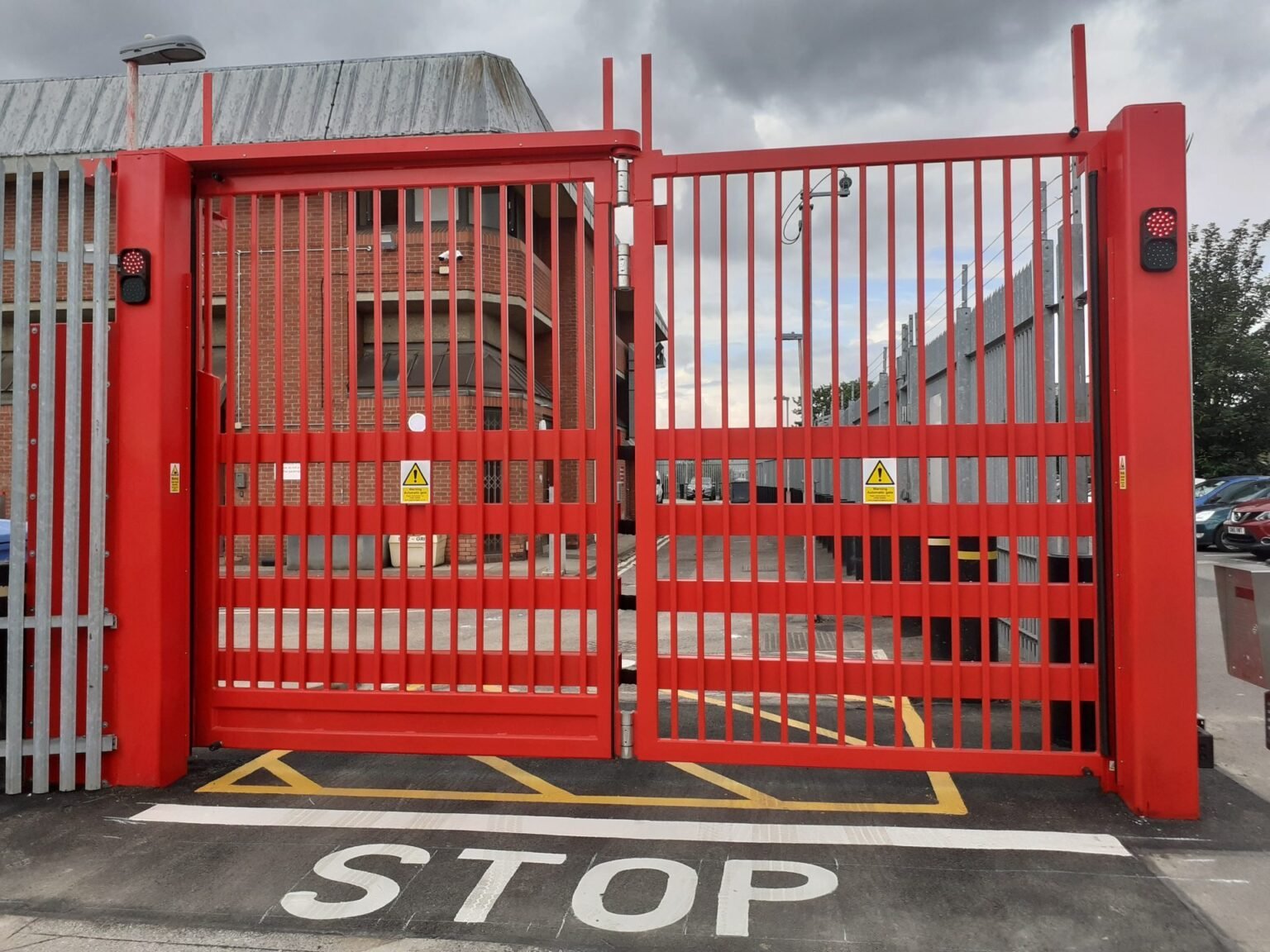
Finally, gates serve as critical points in perimeter security, balancing accessibility with protection. Automated gates equipped with access control systems can provide an efficient solution for monitoring entry and exit points. Proper installation ensures that gates operate correctly and securely, while regular checks can prevent unauthorized access and malfunctions.
Technological Enhancements in Security
The realm of perimeter security has significantly evolved with the incorporation of advanced technologies. Key components such as surveillance cameras, motion detectors, and alarm systems play a pivotal role in bolstering security measures. These technological advancements not only enhance monitoring capabilities, but they also improve the overall effectiveness of a security strategy.
Surveillance cameras, for instance, have transformed how security personnel monitor premises. They provide real-time footage, enabling instant assessment of any suspicious activities. The integration of high-definition video technology has further improved the clarity and detail of captured images, allowing for better identification of potential threats. Furthermore, modern cameras can be equipped with features such as night vision and motion tracking, which contribute to a more comprehensive surveillance approach.
In conjunction with cameras, motion detectors serve as a fundamental layer in perimeter security. These devices detect movement and trigger alerts, allowing security teams to respond promptly to unauthorized access attempts. By utilizing infrared technology or laser beams, motion detectors can identify intrusions even in the absence of light, substantially minimizing vulnerability during nighttime hours. The responsiveness of these devices makes them an essential addition to any security framework.
Alarm systems further enhance perimeter defense by providing immediate notifications in the event of a breach. Whether integrated with surveillance systems or operating independently, alarms alert security personnel and occupants, facilitating rapid response to incidents. By employing contemporary technologies, such as smartphone integration and remote monitoring capabilities, alarm systems offer an added layer of convenience and effectiveness.
Ultimately, the integration of these technologies enables organizations to maintain a vigilant stance against potential threats. By leveraging advancements in surveillance, motion detection, and alarm systems, security services can create a robust and responsive perimeter security strategy to effectively mitigate risks.
Role of Personnel in Security Layering
Within the context of the layered defence model, personnel play a pivotal role in establishing and maintaining effective security measures. The integration of security personnel, such as guards, surveillance operators, and emergency response teams, forms a critical component of this multi-faceted approach to security. These individuals are not only the first line of defence but also essential in the detection and assessment of potential threats that may compromise safety.
Security guards, for instance, are responsible for physical presence, deterrence, and immediate response during security incidents. Their training, which often includes conflict resolution and emergency procedures, equips them with the skills necessary to handle various situations. Additionally, they serve as the eyes and ears on the ground, providing real-time assessments that are integral to adapting security protocols as needed.
Similarly, surveillance operators are key players in monitoring activities through advanced technological systems, such as CCTV and alarm monitoring systems. Their ability to identify unusual behaviour and swiftly escalate incidents is vital for early threat detection. This proactive approach not only enhances response times but also allows for the swift implementation of countermeasures to mitigate risks.
Moreover, ongoing training is crucial to ensure that security personnel remain vigilant and updated on the latest security protocols and technological advancements. Regular training sessions not only reinforce existing knowledge but also educate personnel on emerging threats and best practices for incident response. Awareness programs that involve simulations and scenario-based training can significantly enhance their readiness and effectiveness in real-world situations.
Ultimately, the success of a layered defence model rests heavily on the capabilities and functions of the personnel involved. Their roles, reinforced with appropriate training and resources, are essential for developing an adaptive and responsive security framework capable of addressing contemporary threats effectively.
Procedural Safeguards and Policies
The implementation of a layered defence model requires a robust framework of procedural safeguards and policies that govern security measures. Establishing clear security protocols is paramount in delineating the responsibilities of personnel and the steps to be taken in various scenarios. These protocols should include guidelines for access control, monitoring surveillance systems, and communication strategies, ensuring that all staff members are aware of their roles in upholding security standards.
Moreover, emergency response plans must be developed and regularly updated to address potential threats effectively. These plans should encompass various scenarios, including intrusions, natural disasters, or other unforeseen events. Regular drills and training sessions should be conducted to familiarize staff with these procedures, reinforcing their readiness to act swiftly and correctly during an emergency. The objective is to create a culture of preparedness where security measures are second nature to individuals within the organization.
Conducting regular risk assessments forms another critical aspect of a layered defence strategy. These assessments enable security teams to identify vulnerabilities and adapt policies accordingly. This proactive approach emphasizes the importance of periodically reviewing security protocols to ensure they align with evolving threats and technological advancements. Engaging with external security experts can provide additional insights and validation of existing practices.
It is essential for organizations to document these procedures thoroughly, creating an accessible reference for security personnel. Clear documentation allows for easy dissemination of information and aids in the consistency of response during a security incident. Overall, the establishment of well-defined procedures, combined with ongoing reviews and training, not only enhances the effectiveness of a layered defence model but also builds trust among stakeholders in the organization’s commitment to security resilience.
Case Studies: Successful Implementation of Layered Defence
The Layered Defence Model has proven effective in enhancing perimeter security within various environments, as evidenced by multiple real-world case studies. One prominent example is the implementation of layered defence strategies at government facilities, where security measures are paramount. These sites often deploy a combination of physical barriers, surveillance technologies, and access control systems to create a robust security framework. The multi-layered approach has effectively deterred unauthorized access and provided quick response capabilities during security breaches.
In a case study involving a major corporate building in London, the layered defence model was implemented during a comprehensive security upgrade. The corporation invested in advanced perimeter fencing, complemented by security patrols and remote video monitoring. This integration of measures not only improved the physical security but also ensured that potential threats could be detected and addressed swiftly. Following the installation, the company reported a significant decrease in vandalism and trespassing incidents, demonstrating the effectiveness of the layered approach. Lessons learned from this implementation emphasize the need for continuous evaluation and adaptation of security measures in response to emerging threats.
Further analysis in public spaces, such as parks and transportation hubs, illustrates the relevance of layered defence in urban environments. A case in point is the upgraded security plan for a major train station, where barriers, CCTV installations, and personnel training worked harmoniously to enhance safety. The ability of transit authorities to respond to incidents within minutes due to the integrated layers of security was highly regarded. Such cases highlight the necessity of employing a comprehensive strategy that combines technology and personnel training, which remains essential for ensuring effective security in diverse settings.
Future Trends in Perimeter Security
As we move further into the 21st century, the landscape of perimeter security is undergoing significant transformations, driven by both technological advancements and evolving threats. One of the most promising developments is the integration of artificial intelligence (AI) into security systems. AI algorithms can analyze vast amounts of data from surveillance cameras and sensors in real-time, providing security personnel with actionable insights. This can lead to quicker responses to potential breaches and, ultimately, enhanced perimeter security.
Moreover, the rise of smart technologies is reshaping the way security measures are implemented. Smart integrations, such as IoT devices, are increasingly being utilized. These devices can communicate with each other, creating a network of interconnected security measures that can adapt to changing scenarios. For example, a breach detected by a smart sensor can trigger the activation of nearby cameras and alert security teams instantly. This synergy enhances the effectiveness of the layered defence model.
In addition to technological advancements, the security challenges faced today are more complex and diverse. Cybersecurity threats are merging with physical security concerns, requiring an integrated approach to perimeter security. As organizations become increasingly reliant on digital infrastructures, it is crucial to ensure that physical access points are secured against both physical and cyberattacks. This may lead to the incorporation of cybersecurity protocols in the design and implementation of perimeter security systems.
Looking ahead, the layered defence model must adapt to these multifaceted threats. Traditional barriers alone will become insufficient; thus, a robust perimeter security strategy will likely include a combination of advanced monitoring systems, rapid response mechanisms, and continuous risk assessments. The collaboration between technology and human expertise will be paramount in addressing future security challenges effectively. As best practices evolve, organizations must remain vigilant and proactive in adopting emerging trends to maintain a secure perimeter.