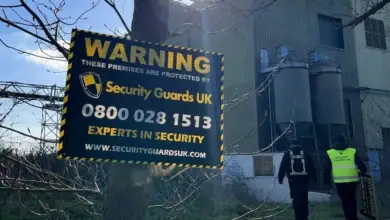

Introduction to Security Guard Services
Security guard services encompass a range of protective services designed to safeguard property, individuals, and assets from possible threats. These services play a crucial role in various sectors, including residential, commercial, industrial, and corporate environments. In Birmingham, a city characterized by its diverse landscape and flourishing economy, the demand for reliable security measures has seen a significant rise.
The role of security guards is multifaceted, ranging from monitoring premises and managing access control to responding to emergencies and conducting regular patrols. Their presence not only deters criminal activity but also instills a sense of safety and well-being among employees, residents, and visitors. The importance of security guard services cannot be overstated; they are often the first line of defense against threats such as theft, vandalism, and other forms of criminal behavior.
In Birmingham, the security landscape is influenced by various factors including urbanization, economic activities, and crime rates. The city’s growth has led to an increased need for professional security solutions tailored to specific environments. Businesses are recognizing that investing in trained security personnel enhances their operational stability and protects their reputational integrity.
With the evolution of security protocols and technologies, security guard services have adapted accordingly, incorporating the latest advancements to ensure effective service delivery. Thus, it is essential for organizations and individuals in Birmingham to understand the vast range of security options available, allowing them to choose the right solutions that cater to their unique requirements.
Types of Security Guard Services Available
In Birmingham, security guard services are tailored to meet the diverse needs of businesses, individuals, and organizations. Understanding the different types of services available is essential for selecting the right solution for your specific security requirements. Four primary types of security guard services include event security, residential security, commercial security, and mobile patrols.
Event security services are crucial for ensuring the safety of attendees during public gatherings, concerts, weddings, and corporate events. Trained security personnel oversee crowd control, monitor access points, and enforce safety regulations to prevent incidents. Their presence helps create a secure environment, allowing participants to enjoy the event without anxiety.
Residential security is another vital service designed for homeowners who seek to protect their properties and families. Security guards can provide 24/7 monitoring of residential areas, conduct routine patrols, and respond rapidly to potential threats. This service not only deters criminal activities but also offers peace of mind for residents, knowing that their homes are safeguarded.
Commercial security services cater to businesses, protecting assets, employees, and clients. These services can include on-site guards, surveillance systems, and alarm monitoring. The role of security personnel in commercial environments is multifaceted, encompassing theft prevention, access control, and emergency response. Businesses often enhance their overall security strategy by employing trained professionals who can handle various situations effectively.
Finally, mobile patrols represent a proactive security measure that involves security vehicles patrolling specified areas, providing visual deterrence against crime. This service is ideal for larger properties or commercial districts where consistent monitoring is necessary. Guards conducting mobile patrols can promptly identify and address any suspicious activity, ensuring swift action when needed.
Each of these security guard services in Birmingham serves a unique purpose and is designed to cater to specific needs. By understanding the various options available, individuals and businesses can choose the appropriate service to enhance their security measures.
Benefits of Hiring Security Guards
Hiring professional security guard services offers numerous advantages that can significantly enhance safety and security for individuals and businesses alike. One of the primary benefits is crime deterrence. The presence of security personnel can discourage potential criminals from engaging in unlawful activities such as theft, vandalism, or assault. This proactive measure can effectively reduce the likelihood of incidents occurring on a property, establishing a safer environment for all individuals present.
Furthermore, hiring security guards provides peace of mind for property owners and residents. Knowing that trained professionals are monitoring the premises allows individuals to feel more secure in their homes or businesses. This sense of safety is essential, as it can lead to improved overall quality of life, reduced stress levels, and enhanced personal comfort. Whether it is for residential areas, retail outlets, or corporate offices, the reassurance of having dedicated security personnel can create a welcoming and secure atmosphere.
Additionally, security guards are equipped to respond quickly to incidents as they arise. Unlike traditional emergency response services, which may take time to arrive, security personnel are already on-site and can address situations immediately. This rapid response can make all the difference in minimizing damage, assisting individuals who may be in danger, and ensuring that any necessary actions are taken to effectively manage a crisis. Their training in conflict resolution and emergency protocols further contributes to their ability to handle various scenarios, thereby reinforcing the value of their role in community safety.
The Role of Security Guards in Birmingham
In Birmingham, security guards play a critical role in ensuring public safety and maintaining order. They serve in various settings, including commercial properties, residential areas, events, and educational institutions. The responsibilities of security guards are diverse, ranging from monitoring premises to engaging with the community and local law enforcement.
One of the fundamental aspects of a security guard’s role is to provide a visible presence that deters criminal activity. This proactive approach not only enhances security but also increases the sense of safety among the public. Regular patrolling of designated areas is a primary duty, allowing guards to identify and address any suspicious activities promptly. Their training often includes conflict resolution, emergency response, and first aid, enabling them to handle a variety of situations confidently.
Security guards are also tasked with monitoring surveillance systems, conducting security checks, and maintaining records of incidents and activities within their jurisdiction. They serve as the first line of defense during emergencies, coordinating effectively with local law enforcement and emergency services when necessary. The training they receive often equips them with the skills needed to assess risk and respond to incidents without escalating tensions.
Interaction with local law enforcement is crucial for security guards in Birmingham. They cultivate relationships based on mutual respect, ensuring they understand the protocols for reporting incidents and requesting support when faced with heightened risks. This collaboration fosters a safer environment and aligns the efforts of private security with public safety objectives.
In summary, the role of security guards in Birmingham encompasses a range of responsibilities aimed at protecting people and property. Their training, day-to-day duties, and cooperation with law enforcement are essential elements that contribute to the overall security framework within the city.
Finding the Right Security Guard Company
Choosing the right security guard company in Birmingham can be a daunting task, but understanding the key factors involved can simplify the decision-making process significantly. One of the most critical aspects is ensuring that the company is properly licensed and adheres to the legal requirements necessary to operate in Birmingham. This not only guarantees that the company meets industry standards but also provides peace of mind regarding their professionalism and accountability.
When selecting a security guard service, reputation plays a substantial role. Look for companies that have established a solid reputation within the local community. Online platforms, such as Yelp or Google Reviews, can serve as valuable resources for gathering insights into the experiences of past clients. Customer reviews often reveal a company’s reliability, response times, and overall effectiveness, helping you gauge their performance and service quality.
Experience is another crucial factor to consider, particularly in relation to the specific types of security you require. Different situations may demand various forms of expertise, from event security to corporate protection or residential surveillance. A company with a diverse portfolio will likely have the necessary skills to address your unique needs. Furthermore, assessing how long the company has been in business can provide additional context regarding their stability and commitment to delivering quality services.
Finally, it is beneficial to engage in direct communication with the security guard company. This allows you to ask pertinent questions and clarify any concerns you may have regarding their protocols, staff training, and incident response strategies. By conducting thorough research and considering these essential factors, you can make an informed decision when selecting the right security guard company in Birmingham to meet your specific requirements.
Costs Associated with Security Guard Services
The costs associated with security guard services can vary significantly depending on several critical variables. Understanding these variables is essential for businesses and individuals looking to employ security measures in Birmingham.
One of the primary factors influencing the cost of security guard services is the type of site that requires protection. For instance, residential areas typically incur lower costs than commercial properties, industrial sites, or event venues. The nature and size of these sites directly affect the number of security personnel required and their deployment strategies.
Moreover, the hours of coverage needed play a significant role in determining overall costs. Security services can be required for different durations, ranging from a few hours for events to 24-hour coverage for larger facilities or high-risk locations. The increased hours necessitate more personnel, thus impacting the final price. Often, businesses might opt for a regular schedule or intermittent checks, each having different pricing scales.
The level of security required is another critical consideration that can sway costs. High-security environments, such as those involving sensitive assets or high-value items, may demand specific training for guards, advanced technology, and more rigorous protocols, leading to increased expenses. Additionally, certain situations may require armed guards, which further elevates the cost compared to unarmed personnel.
Other aspects, such as the geographical location within Birmingham and the particular security firm selected, also contribute to the final cost. Some companies may offer bundled services or discounts for long-term contracts, which can yield better value over time. Thus, when evaluating security guard services, it is crucial to analyze these variables to understand the potential expenses accurately.
Legal Considerations for Security Services
The legal framework governing security guard services in Birmingham is essential for ensuring that companies operate within the bounds of the law while providing a safe environment for the community. In the United Kingdom, security services are primarily regulated by the Private Security Industry Act 2001. This Act stipulates that all individuals working as security personnel must possess a valid Security Industry Authority (SIA) license, which verifies that the individual has undergone necessary training and background checks. Employers in the security sector must ensure their guards are appropriately licensed, as operating without an SIA license can lead to severe penalties for both the individual and the business.
Additionally, security companies must comply with various local laws and regulations, which may vary by jurisdiction within Birmingham. These regulations may cover aspects such as required documentation, operational scope, and specific responsibilities associated with providing security services. For instance, security guards must respect the rights of individuals and operate within legal boundaries when it comes to detaining suspects or addressing incidents.
Furthermore, the Data Protection Act 2018 plays a crucial role in how security services manage information. Security guards often collect and handle personal data during their duties, necessitating an understanding of data protection principles to ensure compliance. Companies must implement proper policies and training for their employees regarding the handling and storage of sensitive information.
The employment laws related to hiring and managing security personnel must also be adhered to. This includes regulations on employee rights, health and safety, and working hours to ensure a fair workplace. Ensuring compliance with these legal considerations not only protects the interests of the security guard agencies but also ensures the safety and trust of the public they serve.
Successful Security Interventions in Birmingham
Birmingham, a bustling metropolitan city, has witnessed numerous instances where professional security services have played a pivotal role in ensuring safety and security. One notable example occurred during a large-scale public event held at the Birmingham NEC. Security personnel were deployed to manage crowd control and monitor potential disturbances. Their proactive measures, including surveillance and vigilant interaction with attendees, resulted in the swift identification and resolution of a situation where an unruly individual threatened the event’s safety. This quick intervention not only prevented potential harm but also demonstrated the effectiveness of trained security guards in maintaining order and instilling a sense of safety among participants.
In another case, a local retail store in central Birmingham faced repeated shoplifting incidents that were affecting business operations and employee morale. After hiring a professional security service, the store implemented a comprehensive security strategy, including onsite guards and enhanced surveillance systems. Over several months, the presence of experienced security personnel deterred theft, leading to a significant decrease in shoplifting incidents. Furthermore, the guards’ presence provided reassurance to both employees and customers, fostering a safer shopping environment.
Another exemplary instance of security intervention occurred at a corporate office complex, where inappropriate behavior from an individual created an uncomfortable work environment. Upon notifying the security team, immediate action was taken to assess and address the situation. The trained security guards effectively managed the incident, ensuring the safety of employees while also respecting the rights of the individual involved. This intervention showcased not only the guards’ capacity to handle sensitive situations professionally but also highlighted the importance of having a reliable security service in place to protect personnel and maintain workplace integrity.
Future Trends in Security Guard Services
The landscape of security guard services is rapidly evolving, driven by advancements in technology and the changing dynamics of safety and surveillance. One notable trend is the integration of technology into traditional security functions. As clients seek more efficient and effective security solutions, the use of sophisticated software systems for threat detection and management is becoming increasingly common. These systems enable security personnel to respond more quickly and efficiently to incidents, thereby enhancing overall safety.
Another emerging trend is the deployment of drones in security operations. Drones equipped with high-definition cameras provide enhanced surveillance capabilities for large areas that may be difficult to monitor effectively from the ground. These aerial devices can assist in crowd control at events, monitor industrial sites for unauthorized access, and swiftly evaluate situations from unique vantage points. As drone technology becomes more accessible and regulated, their adoption in the security sector is likely to expand.
Furthermore, evolving training methods for security personnel are significantly shaping the future of security guard services. Traditional training techniques are being supplemented with virtual reality (VR) and simulation-based training programs. These innovative approaches allow security guards to experience realistic scenarios and hone their skills in a controlled environment. Training that incorporates situational awareness, conflict resolution, and emergency response is crucial in preparing security professionals for the complexities they may face on the job.
In summary, the future of security guard services will be characterized by technological integration, drone usage, and modernized training methods. As these trends continue to develop, security service providers in Birmingham will likely adapt to meet the demands of a changing environment, ensuring they maintain high standards of safety and efficiency.